

More news on this day
Uganda’s bid to reposition itself as a high-value, sustainable tourism destination is gaining fresh momentum across Northern Europe, as Denmark formally aligns with Sweden, Norway, Finland, Estonia, Latvia and Lithuania in a growing web of initiatives targeting the Nordic and Baltic travel markets.
Get the latest news straight to your inbox!
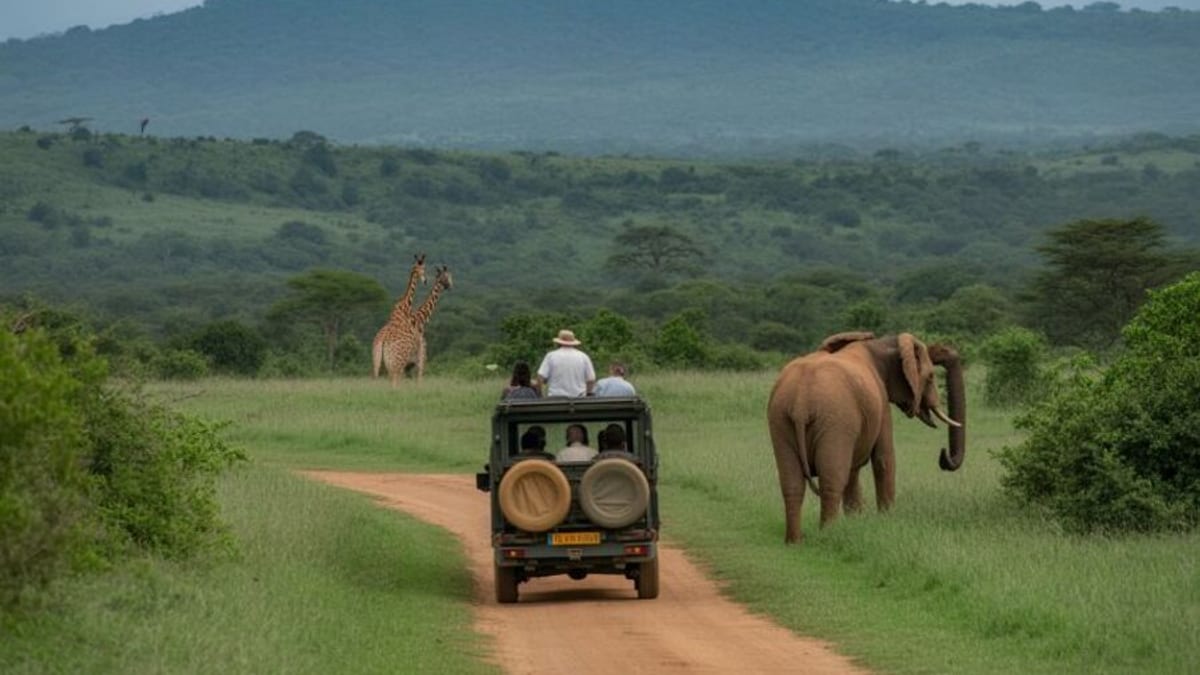
Image by Latest International / Global Travel News, Breaking World Travel News
A Strategic Northern Front for Uganda’s Tourism Ambitions
Publicly available information indicates that Uganda’s diplomatic presence in Copenhagen has become a key bridge to the wider Nordic and Baltic region, with accreditation and outreach efforts now extending to Estonia and Latvia alongside the traditional Nordic partners. Recent ministerial documents highlight tourism promotion, familiarisation trips and trade-show visibility as core priorities for the mission, reflecting a deliberate pivot toward high-spending, sustainability-minded travelers from Northern Europe.
Denmark’s inclusion strengthens an emerging bloc of countries that already includes Sweden, Norway, Finland, Estonia, Latvia and Lithuania, often grouped in regional forums as the Nordic-Baltic Eight. Within this framework, tourism is increasingly treated as part of a broader agenda of people-to-people exchange, cultural cooperation and green economic growth, providing a ready-made platform for Uganda to market its wildlife, landscapes and cultural heritage to a cohesive regional audience.
Recent statistics from Uganda’s tourism authorities show a steady, if still modest, flow of arrivals from these markets, with Denmark, Sweden and Norway in particular sending rising numbers of visitors in the post-pandemic years. Industry observers note that even small increases from high-income, long-haul markets can translate into significant foreign-exchange gains, especially when paired with longer stays and interest in premium products such as gorilla trekking and private safaris.
The renewed push also aligns with Uganda’s long-term sector plans, which set out an ambition to grow tourism’s share of national income through targeted marketing and diversification of source markets. Northern Europe’s reputation for responsible travel spending, coupled with strong interest in nature-based and educational experiences, makes the Nordic and Baltic region especially attractive as Uganda seeks to move further up the value chain.
From Roadshows to Symposia: Denmark Steps Into the Spotlight
In the past two years, Uganda has intensified its presence at Nordic travel trade events, including focused Africa showcases in Copenhagen, Oslo and Stockholm, where tour operators from across the continent presented safari, beach and cultural products to Scandinavian agents. According to published coverage, Uganda featured among African destinations courting more than a hundred travel buyers, signaling a coordinated attempt to secure shelf space in a competitive long-haul market.
The next phase of this drive is centering on Denmark. Industry notices show that a Uganda–Scandinavia Tourism and Travel Symposium has been scheduled in Copenhagen, bringing together Ugandan tour operators, Danish agencies and regional partners to drill down on product packaging, air connectivity and joint marketing. Organizers describe the forum as a chance to solidify Uganda’s position in travel catalogues and to promote new thematic itineraries around conservation and culture.
Earlier efforts have already laid groundwork in the Danish market. The Embassy of Uganda in Copenhagen reported that its stand at a major Danish travel show was ranked among the top attractions, drawing heavy footfall from Danish and Nordic consumers keen to learn about wildlife safaris, adventure activities and community tours. Follow-on familiarisation trips for Danish travel agents and media have since taken place in Uganda, with participants visiting flagship sites such as national parks and key cultural attractions.
Parallel initiatives have targeted niche segments, including a recent visit by Danish medical specialists combining research, professional exchanges and experiential tourism in Uganda. Publicly available accounts of the trip emphasize how such hybrid delegations can both deepen bilateral cooperation and expose influential professionals to Uganda’s tourism offering, with the expectation that they will become informal ambassadors within their own networks back home.
Wildlife Safaris and Eco-Tourism for Sustainability-Minded Travelers
Uganda is positioning its wildlife and landscapes as a natural fit for Nordic and Baltic travelers, whose outbound patterns are closely associated with nature, adventure and low-impact travel. Market research from Ugandan authorities lists Northern European countries among priority long-haul sources, pointing to strong interest in national parks, primate encounters and birdwatching, alongside hiking, cycling and water-based activities on lakes and rivers.
By engaging Denmark, Sweden, Norway and Finland in particular, Uganda is tapping into markets where travelers often seek fewer, longer trips that justify their climate footprint with deeper engagement and higher in-destination spending. Tour operators active between East Africa and Scandinavia report growing demand for itineraries that combine classic big-game safaris in savannah parks with time in forest reserves, community conservancies and conservation projects.
Uganda’s government has signaled that future growth in tourism should be grounded in sustainability, highlighting the need to balance visitor numbers with protection of fragile ecosystems and wildlife corridors. Partnerships with Nordic and Baltic markets, where environmental standards and consumer expectations are high, are seen as an opportunity to attract visitors who are willing to pay premiums for certified eco-lodges, low-emission transport options and community-led conservation experiences.
Industry analysts also point to the potential for technical cooperation with Northern Europe on protected-area management, climate resilience and green financing. As Denmark and its neighbors ramp up climate-related development support, Uganda’s nature-based tourism sector is increasingly framed as a candidate for investment in renewable energy, waste management and biodiversity-friendly infrastructure at lodges and gateway towns.
Cultural Heritage and People-to-People Connections
Beyond wildlife, Uganda is seeking to promote its cultural heritage as a distinctive draw for travelers from Northern Europe, where interest in history, music, food and contemporary arts often complements nature-based travel. Promotional campaigns and embassy-led activities in Copenhagen and other regional capitals increasingly highlight Uganda’s kingdoms, traditional music and dance, craft production and evolving culinary scene as integral to the visitor experience.
Regional cooperation frameworks used by Nordic and Baltic governments for cultural exchange and creative industries are being watched closely by Ugandan cultural institutions and tour operators. These mechanisms, which support museum collaboration, heritage preservation and joint festivals across Denmark, Sweden, Norway, Finland, Estonia, Latvia and Lithuania, offer templates for how Ugandan partners might plug into existing networks to showcase artists, performers and storytellers to Northern European audiences.
The presence of Ugandan diasporas and student communities in Denmark and neighboring countries is another asset. Community events, exhibitions and business forums featuring Ugandan cuisine, crafts and design are increasingly viewed as informal marketing channels, giving potential travelers a first taste of the country’s culture before they consider booking a trip. Travel professionals note that word-of-mouth recommendations from trusted community figures can significantly influence destination choices in relatively small, high-income markets.
This focus on culture also supports Uganda’s ambition to diversify beyond the most iconic attractions. By encouraging Nordic and Baltic visitors to spend time in secondary cities, rural cultural sites and community tourism projects, planners hope to spread economic benefits more widely, reduce pressure on flagship parks and create incentives for safeguarding heritage landscapes and traditions.
Investment, Connectivity and the Next Phase of Growth
While the new momentum in the Nordic and Baltic region is primarily about attracting leisure visitors, it is also intertwined with wider investment and trade discussions. Business events in Copenhagen and other regional hubs increasingly feature East African themes, including innovation, sustainable agriculture and green infrastructure, with Uganda present alongside neighboring countries. Organizers describe these gatherings as opportunities to align tourism with broader economic cooperation, encouraging investors to consider lodge development, adventure infrastructure and hospitality training as part of a wider portfolio.
Air connectivity remains a crucial piece of the puzzle. Northern European travelers currently reach Uganda mainly through major European or Middle Eastern hubs, and industry stakeholders emphasize that predictable schedules, competitive fares and smooth connections are essential if Uganda is to compete with other long-haul destinations. Travel symposiums and trade missions in Denmark and Sweden are expected to prioritize dialogue with airlines and consolidators on capacity, seasonality and coordinated marketing.
Tourism statistics published by Uganda’s authorities show that arrivals from Denmark, Sweden, Norway, Finland, Estonia, Latvia and Lithuania are still a small fraction of total visitors, but the growth trajectories in several of these markets are encouraging. Officials and industry bodies argue that a focused strategy in the Nordic and Baltic region can yield disproportionate returns, as higher average daily spend and strong interest in off-season travel help smooth demand throughout the year.
As Denmark steps forward alongside its Nordic and Baltic neighbors, Uganda’s engagement with the region appears to be shifting from sporadic promotion to a more structured, long-term partnership. If sustained, this northern front could play a significant role in what Ugandan planners describe as a broader tourism transformation, built on conservation, culture and sustainable, higher-value travel.