

More news on this day
Polar cruise operator Oceanwide Expeditions is advancing its long-term sustainability strategy by modernizing its fleet with more energy-efficient, lower-impact vessels and technologies, a move that positions the company at the forefront of greener expedition travel in Antarctica and the Arctic.
Get the latest news straight to your inbox!
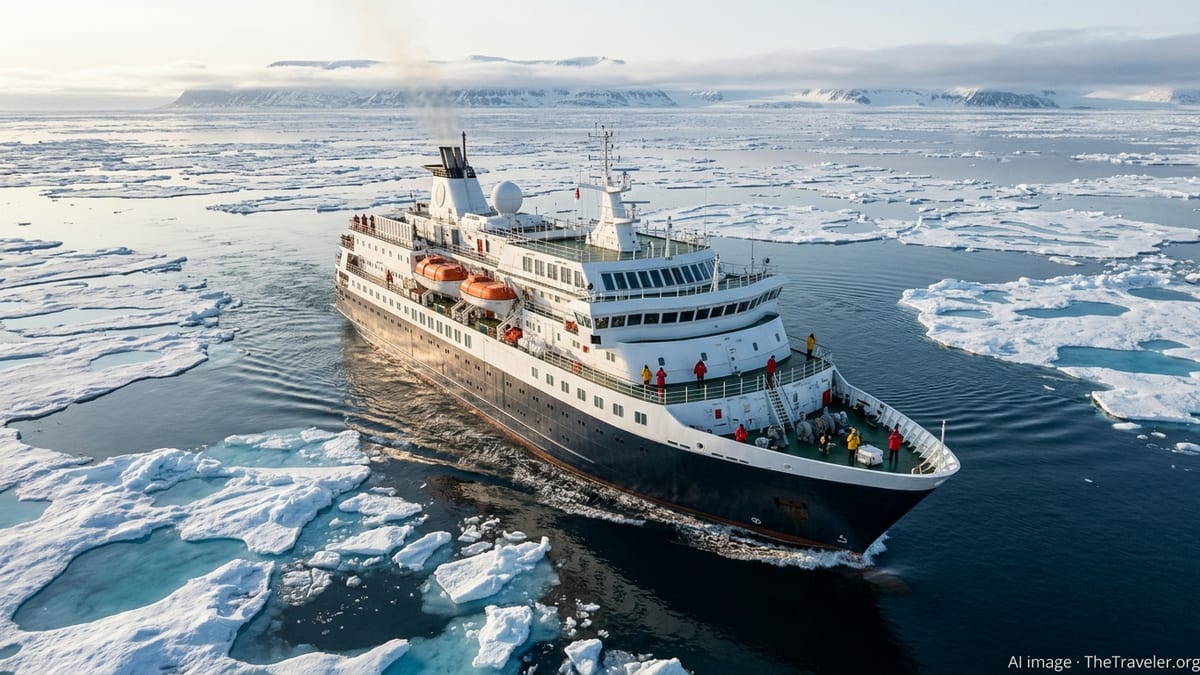
Fleet Modernization Anchored in ESG Strategy
Publicly available information on Oceanwide Expeditions’ environmental, social and governance strategy shows that fleet renewal is a central pillar of the company’s sustainability agenda. The operator acknowledges that sailing in fragile polar regions comes with particular responsibilities and has committed to cutting emissions, optimizing fuel use and reducing waste across its operations.
The company’s stated focus includes investing in newer, more efficient ships, retrofitting existing tonnage and introducing technologies that lower fuel burn on every voyage. These efforts are presented as part of a broader program to align polar tourism with global climate goals while maintaining small-ship, expedition-style itineraries.
Oceanwide’s ESG materials indicate that operational decisions, from itinerary planning to onboard systems, are increasingly evaluated through an environmental lens. The emphasis on continual fleet improvements reflects growing pressure on the cruise sector to demonstrate tangible progress toward decarbonization rather than relying solely on offsets or marketing claims.
Industry reports suggest that the polar segment, where vessels regularly operate in ice-affected waters, has become a testing ground for greener ship designs and operations. Oceanwide’s modernization drive is widely viewed as part of this shift toward cleaner, more responsible expedition cruising.
New-Generation Polar Class Vessels Lead the Transition
At the core of Oceanwide’s greener fleet are its new-generation Polar Class 6 ships, Hondius and Janssonius, which were designed from the keel up for expedition cruising. Technical descriptions released by the company highlight energy-efficient diesel-electric propulsion, advanced engine management systems and hull forms optimized for operation in ice as well as open water.
These vessels are built to stringent polar standards that enable safe navigation in medium first-year ice while aiming to minimize environmental disturbance. Their powerplants are configured to match output closely with demand, helping to reduce unnecessary fuel consumption compared with older, mechanically driven ships. Waste-heat recovery and power distribution systems are also specified as part of the efficiency package.
Oceanwide’s fleet list shows that the company continues to operate earlier-generation ships such as Plancius and Ortelius, but recent upgrade programs have focused on improving propulsion performance and fuel efficiency on these vessels as well. Maintenance projects completed on Ortelius, for example, have been described in company news as enhancing operational speed while reducing fuel use, an important factor on long Arctic and Antarctic itineraries.
Together, the combination of purpose-built newbuilds and upgraded legacy vessels indicates a stepwise transition toward a lower-emission fleet rather than a sudden replacement of all tonnage. This incremental approach is common across the cruise industry, where new ships are introduced gradually and existing assets are optimized to extend their useful life with a smaller environmental footprint.
Cleaner Fuels, Smarter Routing and Onboard Efficiencies
Beyond hull forms and engines, Oceanwide’s environmental commitments highlight several operational measures intended to shrink the footprint of each voyage. Industry coverage notes that the company has adopted low-sulfur marine gas oil in sensitive regions, in line with regulatory requirements and destination guidelines aimed at reducing local air pollution.
The operator has also embraced advanced ice and sea-condition monitoring tools that support more precise routing. Recent reports describe the use of real-time ice information to identify safer, more efficient paths through pack ice, allowing captains to avoid unnecessary detours and heavy-ice transits that can increase fuel consumption. This kind of voyage planning technology has become an important part of the polar cruise sector’s push for greener operations.
Onboard, energy management extends to hotel operations as well as propulsion. Available documentation from Oceanwide refers to measures such as optimizing heating and ventilation, managing lighting loads and encouraging responsible water and waste practices among guests and crew. While individually modest, these incremental savings can add up over the course of a season in remote regions where resupply options are limited.
Waste handling and recycling programs, along with strict rules on discharges in polar waters, are another component of the company’s environmental positioning. These policies align with broader industry standards set by polar tourism associations and maritime regulations that seek to protect wildlife and fragile ecosystems from contamination.
Balancing Growing Demand With Environmental Protection
Oceanwide’s fleet expansion and upgrades are unfolding against a backdrop of rising interest in polar travel. Data referenced in wider polar tourism discussions indicate that ship traffic in Arctic and Antarctic regions has increased significantly over the past decade, raising concerns about cumulative impacts on ice, wildlife and local communities.
In response, expedition operators such as Oceanwide have framed modern, more efficient vessels as part of the solution. By carrying relatively small numbers of guests on ships designed for low-impact operations, companies argue that they can spread visitor pressure over wider areas while still complying with strict landing quotas, wildlife approach rules and fuel restrictions.
Oceanwide’s own materials emphasize education and science support as a way to connect visitors with environmental stewardship. The company highlights collaborations with researchers and citizen-science initiatives that use its vessels as platforms for gathering data on plastic pollution, invasive species and climate-related changes in polar ecosystems. These activities are positioned as an added benefit of operating modern, capable expedition ships in remote waters.
Nonetheless, environmental groups and policy bodies continue to call for deeper cuts in cruise emissions and stronger limits on heavy traffic in vulnerable areas. Oceanwide’s greener fleet strategy can therefore be seen as both a competitive response to traveler expectations and an attempt to stay ahead of tightening regulations governing polar tourism.
Signals for the Future of Low-Impact Expedition Cruising
The evolution of Oceanwide’s fleet offers a window into how the wider expedition cruise market may develop in the coming years. As alternative fuels such as green methanol, ammonia and advanced biofuels move from trials to commercial deployment, polar operators are expected to integrate new fuel systems, hybridization and shore-power capabilities into upcoming vessel projects.
For now, Oceanwide’s mix of energy-efficient diesel-electric propulsion, upgraded legacy tonnage and operational best practices represents an incremental but measurable improvement over earlier generations of polar cruise ships. Industry observers suggest that these steps are likely to be followed by more advanced technologies as infrastructure, regulations and financing models for low- and zero-carbon shipping mature.
For travelers, the company’s investment in greener hardware and procedures signals that sustainability is becoming a core feature of the expedition cruise offering rather than an optional extra. It also reflects a broader shift in adventure tourism, where operators are expected to demonstrate credible, transparent progress in reducing their environmental impact while still delivering access to some of the planet’s most remote landscapes.
As fleet renewal programs continue across the sector, Oceanwide’s approach to eco-friendly vessels provides an early example of how polar operators can align growth in demand with the need to safeguard the very environments that draw travelers north and south in the first place.