

More news on this day
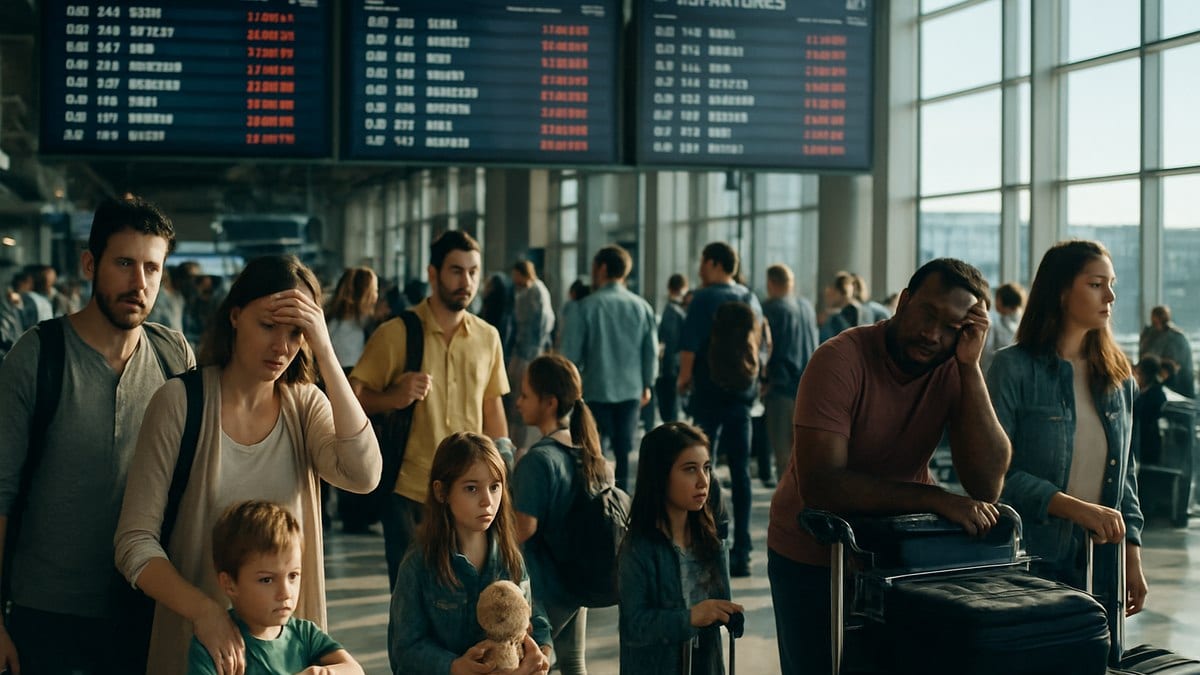
Orlando International Airport’s latest bout of travel turmoil in April 2026 has left hundreds of passengers, many of them families heading to or from theme park vacations, stranded after 207 combined flight delays and cancellations in a single disruption wave.
Get the latest news straight to your inbox!
Spring Travel Wave Collides With Operational Strains
The April disruption at Orlando International Airport unfolded at the height of the spring travel period, when school holidays and theme park traffic push Central Florida’s main gateway close to capacity. Publicly available tracking data for early April indicate that one particularly difficult operating day produced 198 delays and 9 cancellations at Orlando, adding up to 207 affected flights and triggering widespread itinerary changes across the U.S. network.
Travel industry outlets describe the event as part of a broader pattern of instability this season, with Orlando frequently appearing among the country’s most affected airports. Reports highlight how even modest schedule changes can quickly multiply when aircraft and crew are tightly scheduled, leaving little slack to absorb weather cells, ground holds, or brief technical issues without affecting onward flights.
Flight data aggregated for April 2026 suggest that the Orlando disruptions did not occur in isolation but sat on top of weeks of elevated delay levels across Florida and the wider U.S. system. For families planning once‑a‑year vacations, the result was a sudden collision between high expectations and the hard limits of a stressed aviation network.
While the total number of cancellations remained relatively low compared with some winter storm events, the sheer volume of delayed departures and arrivals kept passengers in terminals and on aircraft for hours, pushing airport facilities, concessions, and nearby hotels to their limits.
Families Caught Between Theme Parks and Full Hotels
The timing of the disruption proved especially difficult for family travelers. Orlando’s role as a gateway to major theme parks means that planes are often filled with children, multi‑generational groups, and visitors on fixed holiday schedules. When delays began to stack up in April, many of those passengers found themselves stuck in crowded gate areas late into the evening, unsure whether to wait out rolling departure estimates or seek scarce hotel rooms.
Accounts shared through travel forums and social platforms over recent weeks describe parents juggling overtired children, missed resort check‑ins, and the risk of forfeited park reservations after late‑night or next‑day arrivals. Some travelers reported bedding down in airport seating rather than risk leaving the terminal while standby lists and rebooking queues remained long.
Nearby accommodation options were also under strain. Industry coverage notes that when disruption hits on peak leisure dates, hotels close to the airport and along the main tourism corridors can quickly sell out or push rates higher, leaving stranded passengers choosing between expensive last‑minute stays and long overnight waits in the terminal.
For those already at the end of their holiday, the knock‑on effect was emotional as well as logistical. Missed workdays, extra childcare arrangements at home, and the cost of additional meals and transport all added to the frustration, turning what was meant to be a final day of vacation into an unplanned extension under fluorescent lights.
Weather, Congestion and Tight Schedules Behind the Chaos
While no single cause has been identified for the 207‑flight disruption, recent coverage of Florida’s aviation performance points to a combination of weather patterns, congestion, and tightly wound airline schedules. Early April brought unsettled conditions across parts of the state and the wider Southeast, leading at times to ground delay programs and reduced arrival rates at major hubs.
Even brief storms or low cloud ceilings can affect Orlando disproportionately, as the airport handles large volumes of short‑haul leisure flights that turn around quickly. When an incoming aircraft arrives late, the outbound leg is often pushed back as well, affecting passengers waiting to depart and those with onward connections at distant hubs such as Atlanta, New York, Chicago, or Dallas.
Analysts tracking national performance say this spring’s problems follow a turbulent March in which tens of thousands of flights across the Americas were delayed or canceled. In that context, Orlando’s April difficulties appear as part of a rolling disruption cycle, where strain in one region can ripple through aircraft rotation plans and crew duty limits days later.
Operational documents for Orlando International Airport emphasize the importance of managing tarmac delays and maintaining passenger care during extended ground holds. However, when more than 200 flights are affected in close succession, airlines, ground handlers, and concessionaires all face practical limits on how quickly they can respond with information, refreshments, and rebooking options.
National Ripple Effects Across U.S. Routes
Because Orlando is deeply integrated into national and international route networks, the April disruption was felt well beyond Central Florida. Flights to and from major U.S. cities including New York, Boston, Chicago, Dallas, and Atlanta figure prominently in daily schedules, meaning any extended delay at Orlando can cascade into missed slots and crew rotations at other airports hours later.
Travel publications tracking the early‑April event note that airlines with large Orlando footprints, particularly low‑cost and leisure‑focused carriers, saw some of the heaviest impacts across their systems. Aircraft that started the day late out of Florida often arrived late into northern and Midwestern cities, compressing already tight turnaround times for evening departures.
In some cases, passengers whose flights operated from other cities but relied on incoming aircraft from Orlando found themselves delayed without realizing the original cause. This type of secondary disruption is common when a high‑volume leisure hub encounters operational problems, as spare aircraft and reserve crews are limited compared with larger business‑focused hubs.
The ripple effects also reached international routes, particularly services linking Orlando with Canadian and European gateways. Delayed departures from Florida can force schedule adjustments at overseas airports, where night curfews and slot restrictions may narrow the window for recovery and lead to additional knock‑on changes the following day.
What April’s Disruption Signals for Summer Travelers
The April 2026 chaos at Orlando International Airport is widely viewed by aviation observers as a warning sign for the coming summer season. With demand for leisure travel expected to remain strong and airlines continuing to operate dense schedules, relatively small shocks to the system could once again create disproportionate disruption for family travelers.
Reports from aviation analytics firms and travel media highlight that post‑pandemic flying patterns have left some airlines operating with thinner staffing buffers and fewer spare aircraft than in earlier years. When combined with infrastructure work, evolving air traffic control constraints, and increasingly volatile weather, those factors raise the risk that peak‑season weekends could see similar or larger waves of disruption.
Consumer advocates note that passengers have become more attuned to these risks, often building extra time into itineraries or opting for earlier departures in the day to improve their odds of staying on schedule. However, for travelers bound to school calendars and fixed resort bookings, flexibility can be limited, leaving them more exposed when events like the 207‑flight disruption strike.
For Orlando itself, the episode underlines the challenge of serving as a global family tourism hub in an era of heightened operational fragility. As airlines, airports, and regulators refine their plans ahead of summer, the experience of stranded families in April is likely to remain a touchpoint in wider debates about reliability, passenger rights, and the true cost of a delayed vacation day.