

More news on this day
A cluster of flight cancellations and delays at Oslo Airport is disrupting travel across Europe today, with around 20 departures and arrivals cancelled and several more delayed on routes linking Norway with Ireland, Spain, the United Kingdom, Sweden, the Netherlands and other key destinations.
Get the latest news straight to your inbox!
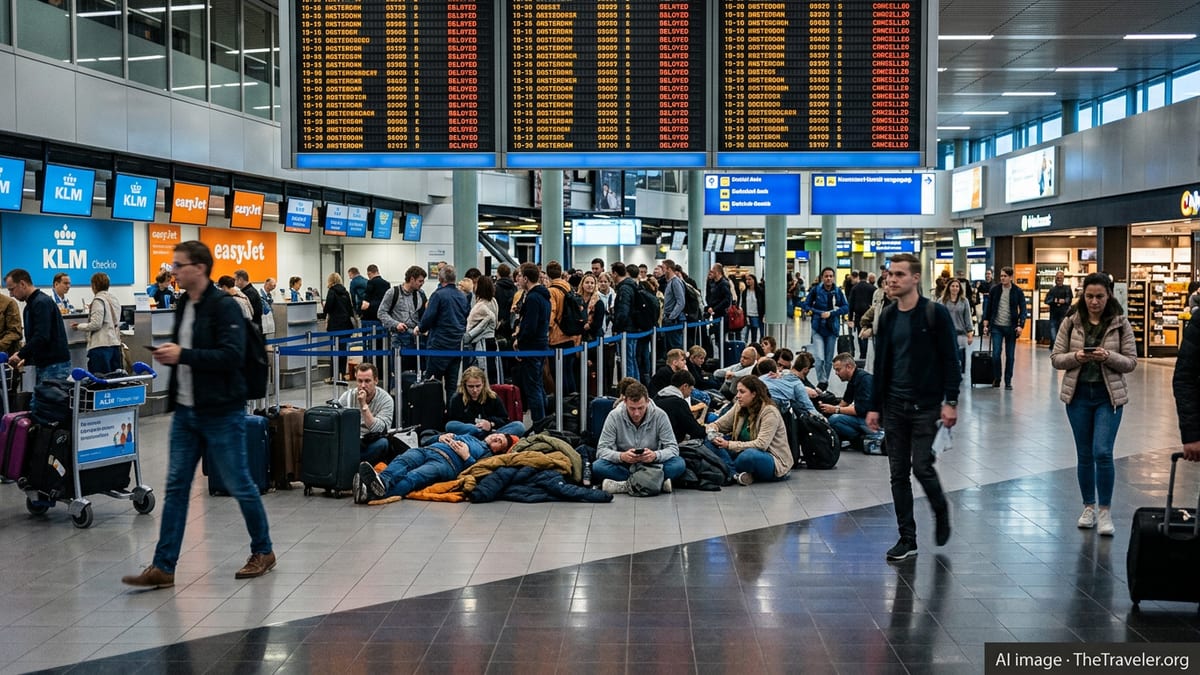
Oslo operations hit as cancellations ripple across routes
Publicly available airport information shows that Oslo Gardermoen has recorded about 20 cancellations and at least eight notable delays today, concentrating disruption into a relatively short time window. The affected services cover both departures and arrivals, with several busy European links experiencing schedule changes that have upended travel plans for holidaymakers, business travelers and those connecting onward through other hubs.
The cancellations have interrupted flights serving cities in Ireland, Spain, the UK, Sweden and the Netherlands, among others, illustrating how a single airport’s operational issues can quickly reverberate across regional networks. Services to and from major European hubs are particularly exposed, increasing the risk of missed onward connections and extended layovers for passengers already en route.
The pattern emerging from operational data indicates a classic “knock-on” scenario: once early rotations are cancelled or significantly delayed, later flights using the same aircraft and crews face mounting schedule pressure. This dynamic is particularly visible on short-haul intra-European routes operating multiple frequencies each day between Oslo and nearby capitals.
Multiple airlines grounded, from SAS and Norwegian to British Airways
The disruption is affecting a wide mix of carriers that rely on Oslo as a core gateway to Northern Europe. Scandinavian Airlines (SAS) and Norwegian, which operate dense short-haul networks from Norway, appear prominently in today’s cancellation tallies. Flights operated by British Airways and Turkish low cost carrier Pegasus are also among those impacted, alongside services from other European airlines using Oslo as either an origin, destination or connecting point.
Traffic patterns published by airlines and airports highlight how heavily Oslo is woven into European connectivity, particularly on routes to the UK, Ireland, Spain, Sweden and the Netherlands. SAS runs frequent services to cities such as Stockholm and Copenhagen, while Norwegian has built out a sizeable leisure and city-break network to Spanish and other southern European airports. British Airways and Pegasus contribute additional capacity on links to London and major hubs further afield.
When several of these carriers encounter operational issues on the same day, the impact is magnified. Aircraft and crew rotations may be rerouted, ground times can lengthen as handling teams work through revised manifests, and available seats on alternative departures quickly diminish. Even passengers booked on flights that ultimately operate on time may experience crowded terminals, longer queues and tighter turnaround times.
Passengers face missed connections and changing itineraries
For travelers, the immediate effect of today’s cancellations and delays is uncertainty. Passengers heading from Oslo to onward long haul services via European hubs risk missing connections, especially on itineraries that were already built with short transfer times. Those bound for weekend city breaks or family visits in Ireland, Spain, the UK, Sweden or the Netherlands may face curtailed holidays, overnight stays at their departure point, or the need to rebook for another date.
Capacity constraints complicate rebooking options. On many intra-European routes, demand remains strong, particularly around weekends and holiday periods, meaning that spare seats on later flights can quickly disappear once disruption sets in. This often leads to a widening gap between the time passengers were due to arrive and the earliest realistic alternative the airlines can offer.
Public guidance from airlines and airports consistently urges passengers to keep a close eye on digital tools such as carrier apps and online departure boards. Same day schedule changes are now common enough that experts recommend travelers rechecking flight status even after check-in is complete, and building in extra buffers when self-connecting between separate tickets.
Part of a wider pattern of European flight disruption
Today’s issues at Oslo fit into a broader pattern of disruption across European air travel seen in recent weeks. Coverage of regional operations has pointed to waves of delays and cancellations affecting airports in Spain, the UK, Italy, Denmark, Sweden and the Netherlands, with thousands of passengers experiencing extended waits and missed flights. Weather volatility, air traffic control constraints and resourcing pressures have all been cited as contributing factors in different locations.
Norway and its Nordic neighbors have appeared regularly in these disruption reports, with Oslo and other regional airports such as Stavanger recording clusters of cancellations on certain days. Scandinavia’s role as a connecting bridge between Northern Europe and destinations across the continent means that even relatively small pockets of disruption can have an outsized effect on overall connectivity.
While each incident has its own local triggers, the cumulative result is a more fragile operating environment where minor schedule disturbances can escalate quickly. Travelers connecting through major hubs such as London, Amsterdam, Copenhagen and Madrid are particularly susceptible, as congestion and tight scheduling leave less room for recovery once flights begin to run late.
What today’s disruption means for upcoming travel
Travel planners note that a single day of elevated cancellations at a key airport like Oslo can continue to influence operations into subsequent days, as aircraft and crews are repositioned and airlines work through rebooking backlogs. Passengers scheduled to travel on related routes over the coming 24 to 48 hours may still encounter equipment changes, altered departure times or residual delays.
Publicly accessible travel advice consistently recommends that passengers flying from or via Oslo review their bookings before leaving for the airport, confirm contact details with their airline so they can receive real time notifications, and allow additional time if their journey involves a self-organized connection. Those with flexible plans may also find value in considering alternative routings that bypass the most affected hubs, particularly during periods of heightened disruption across multiple European airports.
For now, the situation at Oslo underlines how interconnected Europe’s aviation network has become. A cluster of about 20 cancellations and several delays in Norway can reverberate outward, affecting travelers heading in multiple directions and on a variety of carriers, from flagship operators such as SAS, Norwegian and British Airways to leisure-focused airlines including Pegasus and their European peers.