

More news on this day
More than 177 flights have been cancelled across major airports in Indonesia and Malaysia this week, disrupting schedules at Jakarta, Sultan Hasanuddin, Kuala Lumpur, Kuala Namu and Yogyakarta International and leaving travellers stranded from Singapore and Juanda to Langkawi and other popular hubs.
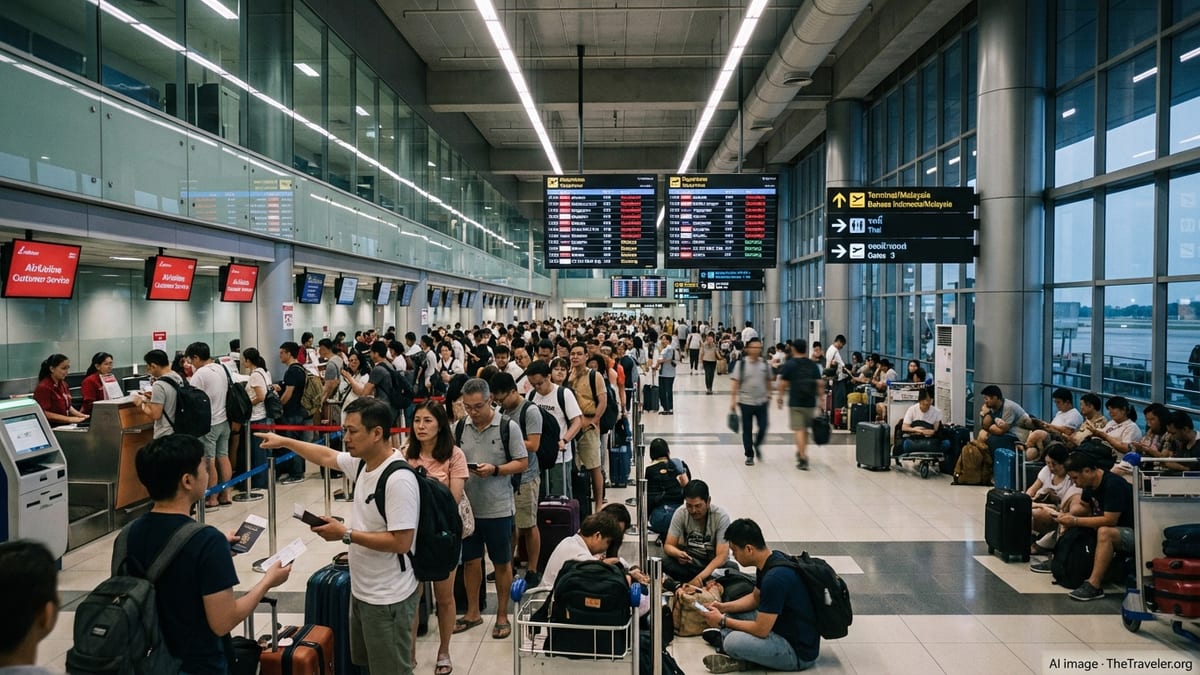
Wave of Cancellations Hits Key Southeast Asian Hubs
Fresh operational data from regional aviation trackers and airport operators show an intense wave of cancellations concentrated on some of Southeast Asia’s busiest gateways, including Jakarta Soekarno Hatta, Makassar’s Sultan Hasanuddin, Kuala Lumpur International, Medan’s Kuala Namu and Yogyakarta International. In total, more than 177 flights have been scrubbed from schedules in recent days, affecting both domestic and international routes.
The disruption follows weeks of elevated irregular operations across the region, with earlier updates already flagging double-digit cancellation counts at Jakarta and Sultan Hasanuddin alongside hundreds of delays. New tallies now point to a wider pattern that extends into Malaysia, tightening pressure on carriers and airport infrastructure and triggering long queues at check-in, security and customer service desks.
Airlines most exposed to the cancellations include Indonesian mainline and low-cost operators such as Garuda Indonesia, Batik Air, Lion Air and Citilink, alongside Malaysian and regional players like Malaysia Airlines, AirAsia and its long-haul offshoots. The result has been a patchwork of last-minute schedule changes that have proven difficult for passengers to navigate, especially on trunk routes linking Jakarta, Kuala Lumpur and Singapore with secondary Indonesian cities.
While individual airports periodically see weather-related disruption, the current pattern stands out for its geographic breadth, with simultaneous problems reported from Java and Sulawesi to peninsular Malaysia. Travel agents say the knock-on impact is now being felt in hotel bookings and tour departures as travellers race to re-time itineraries or abandon trips altogether.
Jakarta, Makassar and Medan Bear the Brunt
In Indonesia, Jakarta Soekarno Hatta continues to report the highest concentration of cancellations and delays, reflecting its position as the country’s primary domestic and international hub. Recent operational snapshots show dozens of flights cut from the roster over a short window, many of them on high-demand routes to Makassar, Surabaya, Yogyakarta and Medan.
Sultan Hasanuddin International in Makassar has emerged as another major trouble spot. Earlier figures from national aviation briefings highlighted at least nine cancellations at Makassar over a single update, and more recent disruption has added to that tally as airlines reshuffle fleets and crews. Travellers passing through the South Sulawesi hub have described packed departure halls, limited seating and scarce real-time information as staff work to reaccommodate passengers.
Further northwest, Medan’s Kuala Namu International has also seen cancellations on key links to Jakarta and other Indonesian cities as well as regional connections into Malaysia and Singapore. Industry observers note that Kuala Namu’s role as a growing transit point for North Sumatra and the Malacca Strait region makes even a handful of cancellations particularly disruptive, as missed onward connections multiply the number of affected travellers.
At Yogyakarta International, which serves both domestic tourism flows and links to Jakarta and Bali, a smaller but still significant number of services have been axed, complicating trips for holidaymakers headed to the region’s temple complexes and nature attractions. With several carriers trimming or consolidating frequencies, some passengers have reported being shifted onto flights a full day later than originally booked.
Kuala Lumpur and Other Malaysian Gateways Under Strain
Across the Malacca Strait, Malaysia’s Kuala Lumpur International has recorded some of the highest delay counts in Asia alongside a rising number of cancellations, according to aviation operations summaries compiled this week. Hundreds of delayed movements have compressed turnaround windows and pushed some flights into outright cancellation as crews and aircraft run up against regulatory and logistical limits.
AirAsia and Malaysia Airlines, the two largest operators at Kuala Lumpur, have both been heavily affected, with knock-on delays rippling into secondary Malaysian airports and cross-border services. Passengers bound for Indonesian cities such as Jakarta, Denpasar, Makassar and Medan, as well as regional holiday spots like Langkawi and Kota Kinabalu, have faced last-minute boarding gate changes, rolling delay announcements and, in many cases, abrupt cancellations.
On Malaysia’s resort island of Langkawi, where domestic tourism demand remains strong, even a short series of cancelled or heavily delayed flights can quickly back up passenger flows. Hoteliers report that some guests have arrived a day late while others have requested early check-outs after being rebooked onto earlier return flights in case later services are dropped.
Regional observers say the high utilisation of aircraft and tight scheduling at Kuala Lumpur and other key Malaysian airports have left little slack in the system. When weather or technical issues strike, the margin for recovery is narrow, meaning disruption can escalate quickly and spill over national borders.
Travellers Stranded from Singapore to Surabaya and Beyond
The current round of cancellations has been keenly felt in Singapore, Surabaya’s Juanda International and other spoke cities around the region that depend heavily on reliable links to Jakarta and Kuala Lumpur. Singapore Changi, one of Asia’s premier hubs, has reported elevated delay levels across several regional carriers, and passengers connecting onward from affected Indonesian and Malaysian flights have struggled to secure alternative routings.
At Juanda International in Surabaya, earlier cancellation lists already documented multiple axed services to Jakarta and Halim Perdanakusuma, and new schedule adjustments have continued to unsettle travellers in East Java. Business passengers commuting between Surabaya, Jakarta and Singapore have faced rearranged meetings and missed same-day turnarounds, while migrant workers and students have had to rebook at short notice, often at higher fares.
On social media, travellers across Indonesia and Malaysia have shared images of departure boards filled with red “cancelled” markers and long lines at airline counters. Many report confusion over the specific causes of the latest wave of disruptions, as airlines cite a mix of operational constraints, aircraft rotations, crew availability and lingering weather issues at various points in the network.
For leisure travellers in particular, the timing of cancellations has been especially painful, coinciding with school holiday periods in some markets and peak weekend travel patterns. Tour operators say some group departures have had to be restructured around the evolving flight availability, with itineraries shortened or rerouted through alternative gateways.
What Affected Passengers Should Do Now
Airlines across Indonesia and Malaysia are urging passengers to monitor their bookings closely through official channels and to allow extra time at the airport in case of check-in bottlenecks or last-minute gate changes. Many carriers have activated flexible rebooking policies for affected routes, waiving change fees and, in some cases, fare differences for travellers whose flights are cancelled.
Consumer advocates recommend that passengers whose flights are scrapped document all communications with airlines, keep boarding passes and receipts, and check applicable compensation rules, which can vary significantly depending on the carrier and whether the journey involves international sectors. While Southeast Asian jurisdictions do not have a single unified regime comparable to Europe’s, some airlines offer vouchers, hotel stays or meal allowances during extensive disruption.
Industry analysts say the latest round of cancellations highlights ongoing vulnerabilities in Southeast Asia’s fast-growing aviation market, where rapid network expansion has sometimes outpaced resilience planning. They argue that more investment in spare capacity, improved crew rostering systems and clearer passenger information channels will be essential to reduce the impact of similar events in future peak seasons.
For now, travellers across Jakarta, Makassar, Kuala Lumpur, Medan, Yogyakarta, Singapore, Surabaya, Langkawi and other affected cities are being advised to treat departure times as fluid and to build additional buffers into their plans. With more than 177 flights already cancelled in recent days and schedules still in flux, the region’s air travel recovery is facing yet another stern test.