

More news on this day
A recent account from a commercial flight, in which a passenger declined to surrender a prebooked seat yet described how the crew repeatedly apologized, is fueling renewed debate over what travelers are actually entitled to once they board an aircraft.
Get the latest news straight to your inbox!
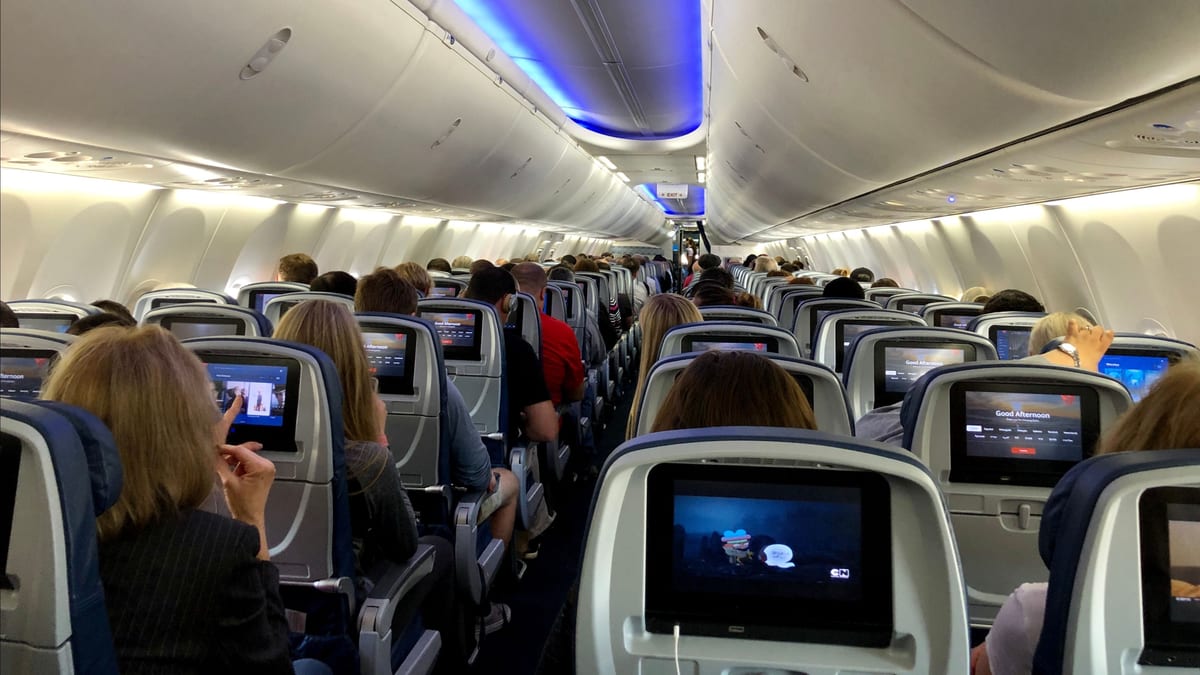
Image by TheTravel
Viral Account Highlights Tension Between Policy and Social Pressure
The incident centers on a traveler who says he arrived at his assigned seat to find that another passenger wanted the spot so they could sit with a companion. According to published coverage and online discussion, he declined to move, noting that he had selected and paid for the specific seat in advance. The traveler later remarked, “I don't feel entitled to that seat. But you could tell that the crew was embarrassed. I can't tell you how many times they apologized.”
Reports indicate that cabin crew attempted to mediate, asking whether he might be willing to change seats to accommodate the request. When he refused, he says the crew honored the original assignment but continued to apologize, apparently concerned about the tension between the passengers.
The exchange has since been widely shared across social and traditional media, tapping into a familiar scenario for frequent flyers. Disputes over seat swaps have become a recurring flashpoint in the post-pandemic travel surge, as fuller flights and tighter cabins leave little room for flexibility.
While the specific airline involved has not been the focus of the public conversation, the case has quickly become a touchstone example in a larger argument over courtesy, cost and consistency in the sky.
Airline Rules vs Passenger Expectations
Publicly available information from major carriers shows that most airlines treat seat assignments as a service tied to a particular booking, especially when passengers pay extra for extra-legroom or preferred locations. However, operational changes, aircraft swaps and weight-and-balance requirements can still lead to reassignment at the gate or on board, even for paid seats.
At the same time, many travelers have come to expect that fellow passengers will swap seats informally so that families or couples can sit together. Online forums are filled with stories of parents asking others to trade away aisle or window seats, sometimes offering a less desirable middle seat in return. In several high profile cases, travelers have reported backlash when they refused such requests, despite having paid specifically for their original seat.
Industry analysts note that this informal culture of seat trading exists in tension with increasingly granular seat fees. When airlines charge for location, legroom and proximity to exits, some passengers view their chosen spot as a purchased product rather than a negotiable favor. Others argue that basic courtesy should prevail when young children or vulnerable passengers are involved.
In the latest case, the traveler’s insistence that he did not feel personally “entitled” to the seat, despite having selected it, has resonated with readers who say they often feel guilty asserting a right to what they have paid for.
Online Reaction: Sympathy for the Passenger, Scrutiny for the System
Reaction on social platforms and comment threads has been swift, with many users expressing sympathy for the seated passenger. A large share of responses suggest he was within his rights to stay put and that he should not have been made uncomfortable for following the original assignment printed on his boarding pass.
Others have focused on the role of the airline, arguing that carriers should do more before boarding to seat families together when possible, rather than relying on the kindness or flexibility of strangers already in their places. Some contributors say clearer communication at booking and at the gate might prevent confrontations in the aisle.
There is also criticism of what some travelers describe as “seat shaming,” where passengers who decline a swap are portrayed as selfish or unhelpful. Commenters point to rising fares, add-on fees and crowded cabins as reasons more people are reluctant to make what can feel like a financial sacrifice at the last moment.
At the same time, a minority of voices maintain that, when reasonable alternatives are offered, passengers should be willing to move to keep families together, especially on long-haul flights or when young children are involved. The latest story has exposed how sharply divided public opinion remains on where courtesy ends and obligation begins.
Airlines Under Pressure to Clarify Seat-Swap Practices
The controversy arrives as carriers worldwide face growing scrutiny over seat allocation, particularly for families. Consumer advocates in several countries have urged regulators to require airlines to seat children with at least one accompanying adult at no extra charge, arguing that safety and welfare should outweigh revenue concerns tied to seat selection fees.
Some airlines already state in their public materials that crew cannot force passengers to change seats and that any swaps are strictly voluntary. However, travelers say that in practice, the social dynamics inside a crowded cabin can make a “voluntary” decision feel heavily pressured, especially when a crew member is waiting for an answer in a narrow aisle.
Travel industry observers suggest that this latest story could add momentum to calls for clearer, more consistent policies. Potential measures frequently mentioned in public discussion include automated family seating algorithms at booking, advance blocks of seats reserved for groups with children, and more decisive messaging from airlines that no passenger is required to relinquish a paid-for or preassigned seat.
For now, the gap between policy and perception remains wide. Passengers often board with differing assumptions about what is fair or expected, and crew members must manage those conflicting expectations in real time, with limited options and a plane that must depart on schedule.
What Travelers Can Do to Avoid Onboard Conflicts
Travel advisors and frequent flyers commenting on the incident emphasize advance planning as the most reliable way to avoid similar confrontations. Booking early, selecting seats at the time of purchase, and confirming assignments in the airline’s app before heading to the airport are common recommendations.
Families or groups that wish to sit together are often encouraged in public guidance to contact the airline well before departure to explore rebooking or reseating options, rather than relying on informal swaps at the last minute. Some suggest that travelers prepared to move should decide in advance what kind of trade they consider acceptable, such as exchanging an aisle for another aisle of similar value rather than for a middle seat at the back of the aircraft.
For passengers who prefer not to move under any circumstances, experts say it can help to have a polite but firm response ready, explaining that the seat was selected or paid for and that they intend to remain where they are. The recent case shows how difficult this can feel in the moment, especially when crew appear apologetic or other passengers are watching, but it also illustrates that remaining in an assigned seat is a permitted choice.
As air travel demand remains strong and cabins stay full, incidents like the one described are likely to continue surfacing. The debate around that simple statement, “I don't feel entitled to that seat,” suggests that the real issue is not entitlement, but the unresolved clash between individual rights, airline revenue models and shared expectations of courtesy at 35,000 feet.