

More news on this day
Philippine transport regulators are moving to cut airport fees in a bid to steady airfares as jet fuel costs climb, a shift that could shape what travelers pay for flights in and out of the country during the upcoming peak holiday period.
Get the latest news straight to your inbox!
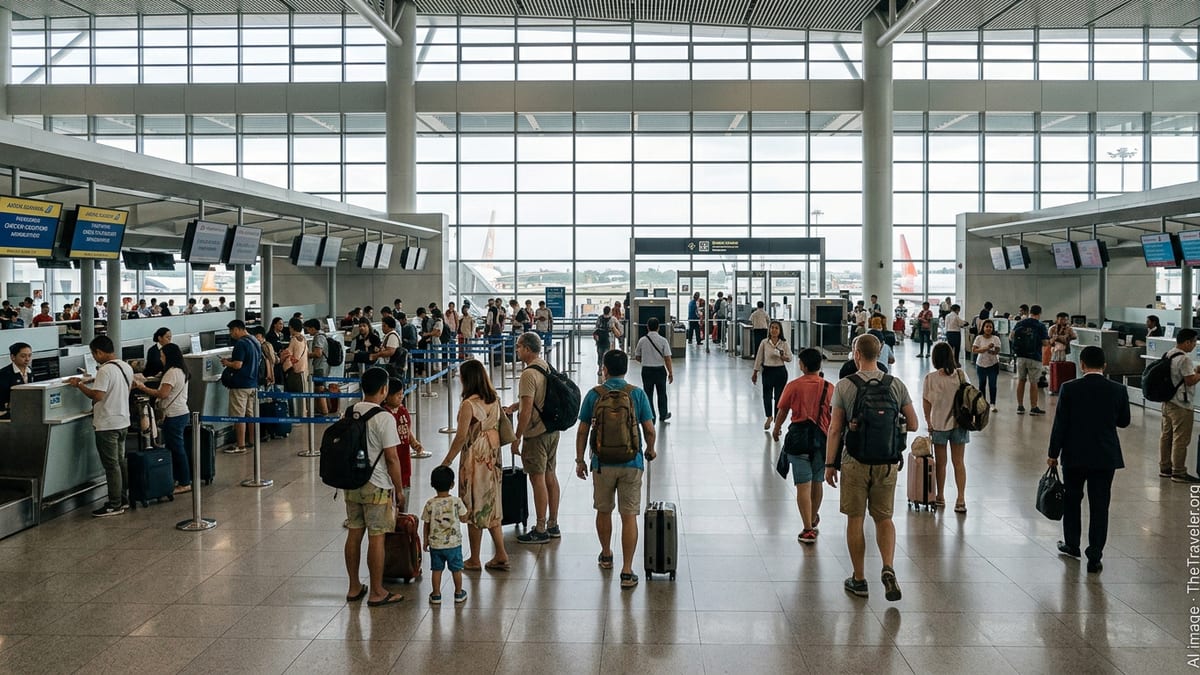
Government Moves to Ease Cost Pressures on Air Travel
Publicly available information from the Philippine Information Agency indicates that the Department of Transportation is pursuing reductions in selected airport charges to help airlines absorb surging jet fuel costs without pushing ticket prices sharply higher. The initiative focuses on fees overseen by the Civil Aviation Authority of the Philippines, including landing and takeoff charges at airports under its jurisdiction, many of which serve popular domestic tourism destinations.
Reports describe the move as part of a broader effort to stabilize airfares ahead of the Holy Week rush, one of the busiest travel periods on the Philippine calendar, when domestic and overseas Filipino travelers crowd airports nationwide. Officials have outlined a review of how airport-related costs stack on top of already volatile fuel expenses, which together make up a significant share of airlines’ operating budgets.
The policy debate is unfolding against a global backdrop of elevated jet fuel prices. Industry analysis from the International Air Transport Association shows that jet fuel has stayed close to the high eighties to low nineties in US dollars per barrel in recent months, narrowing airline profit margins and increasing pressure on policymakers in tourism-dependent economies to intervene on the cost side where they can.
While exact reductions and implementation dates for specific Philippine airports are still being refined, public statements from transport agencies suggest that the intent is to provide at least temporary relief during the busiest travel window of the year, with the potential to adjust the measures as global fuel markets evolve.
How Airport Fee Cuts Fit Into the Fare You Pay
For passengers, the most visible line items on a ticket are usually the base fare, fuel surcharge, and a cluster of taxes and fees that can include terminal charges, passenger service fees, and security or regulatory levies. In the Philippines, many of these charges are embedded in the ticket price rather than paid separately at the airport, which means changes can affect what travelers see when they first search for flights.
Recent coverage of Philippine aviation policy explains that landing and takeoff fees are charged directly to airlines, which then decide how much of that cost to pass on to customers through base fares or surcharges. Reducing those charges does not guarantee a peso-for-peso drop in ticket prices, but it gives carriers more room to keep promotional fares or avoid further increases at a time when fuel costs are rising.
Earlier regulatory decisions on fuel surcharges illustrate how these mechanisms filter through to consumers. Over the past year, the Civil Aeronautics Board has shifted surcharge bands up and down in response to international jet fuel benchmarks, at times lowering charges to encourage travel and at other times raising them when oil prices spike. Industry reports note that even small adjustments to these bands can add several hundred pesos to the cost of a domestic ticket or several thousand pesos to a long-haul international trip.
The new push to trim airport-side fees adds another lever to that toolkit. By easing part of the fixed cost burden that does not directly fluctuate with oil markets, regulators are aiming to offset, at least partially, the upward pull from fuel, which remains the single most volatile input in airline pricing.
What Travelers Can Expect for Upcoming Bookings
For anyone planning flights to or within the Philippines over the next few months, the immediate effect of the airport fee cuts is likely to be subtle rather than dramatic. Analysts following the Philippine market suggest that travelers may not see headline-grabbing fare slashes, but rather more stable pricing than would otherwise be expected given the current trajectory of jet fuel costs.
Budget-conscious travelers could benefit most on high-demand domestic routes, where lower airport charges may help carriers sustain promotional sales or avoid steep last-minute price jumps. Travel industry reporting has pointed to routes to island destinations such as Siargao and other tourism hot spots as particularly sensitive to fare spikes, with previously documented cases of round-trip prices climbing high enough to trigger public concern and regulatory scrutiny.
For international passengers, any relief from airport fee reductions will be layered on top of other global cost factors, including fuel, aircraft availability, and competition on specific routes. Long-haul flights, especially those connecting Manila with North America, the Middle East, and Europe, are heavily exposed to fuel price swings, so even modest cuts in airport-related costs can help airlines keep fares more competitive against regional rivals.
Travel planners recommend that passengers watch not only overall ticket prices but also the breakdown of taxes and fees included in their bookings. Changes to passenger service charges and other airport-related levies may gradually appear in fare conditions and receipts as airlines update their systems to reflect the new fee structures.
Why Jet Fuel Prices Are Squeezing Airlines
The timing of the Philippine move highlights how closely aviation policy is tied to global energy markets. Industry forecasts compiled by international aviation bodies show that while overall fuel prices may not be at historic peaks, jet fuel has remained stubbornly expensive relative to pre-pandemic averages, in part because of refining constraints and a widening margin between crude oil and refined aviation fuel.
This so-called crack spread means airlines are paying more for the specialized fuel that powers their fleets even when crude benchmarks are not at record levels. In the Asia Pacific region, where air travel demand has rebounded strongly, higher utilization of aircraft and dense schedules compound the impact of every dollar increase in jet fuel.
Philippine carriers have already flagged fuel as a key risk to profitability in recent financial disclosures, noting that fuel and airport charges together can account for well over half of operating expenses on some routes. Some domestic airlines have responded by fine-tuning schedules, using more fuel-efficient aircraft on longer sectors, and adjusting ancillary fees, but the underlying pressure from fuel markets remains a central concern.
Against this backdrop, measures that trim non-fuel costs, such as airport charges, are seen in industry commentary as one of the few tools available to governments that want to support tourism and keep domestic air travel accessible without directly subsidizing fuel.
Tips for Making the Most of the New Pricing Environment
Even if airport fee reductions do not translate into dramatic fare cuts overnight, travelers can take steps to benefit from a more favorable pricing environment. Industry data from recent years suggest that the lowest fares in the Philippine market tend to appear several weeks before peak holiday periods, when airlines first release discounted seats, and then climb as departure dates approach and aircraft fill up.
Monitoring fare trends on key routes in the days after policy changes take effect can offer clues as to how airlines are passing on savings. Some carriers may opt to advertise promotional campaigns tied to lower operating costs, particularly for leisure destinations, while others may quietly adjust their fare buckets to keep average prices in check without high-profile sales.
Travelers booking from overseas should also be aware that while airport fee cuts occur in Philippine pesos, their total trip cost will also depend on currency movements and fees charged by foreign airports. A modest reduction in Philippine airport charges can still improve the overall value proposition of a trip, especially when combined with competitive hotel and tour pricing in key destinations.
Ultimately, the latest policy shift underscores how interconnected airfare is with forces beyond a single airline’s control, from regional fuel markets to infrastructure charges. For passengers, keeping an eye on regulatory developments has become almost as important as watching seat sales when trying to lock in the best possible price for a Philippine getaway.