

More news on this day
Lufthansa travelers are bracing for another wave of disruption this week after German pilots’ union Vereinigung Cockpit called a two-day strike for Monday and Tuesday, targeting the mainline carrier and several group airlines in an escalating dispute over pay and pensions.
Get the latest news straight to your inbox!
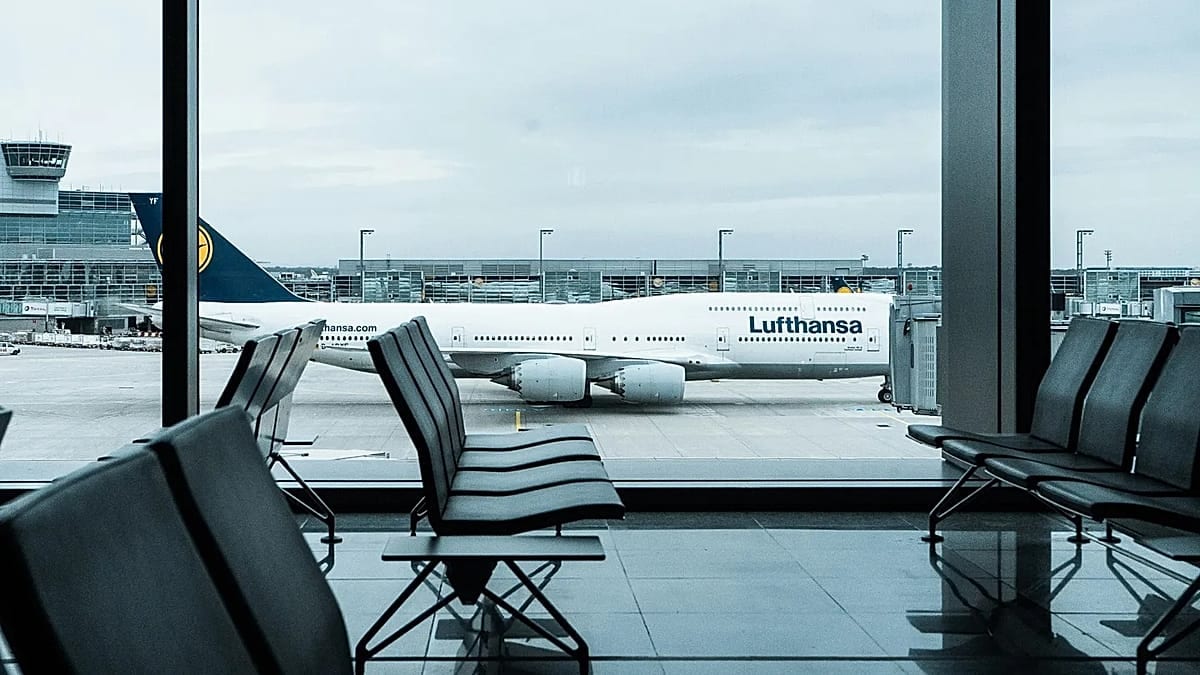
Strike scheduled to hit start of the working week
According to publicly available information from the airline and industry outlets, the walkout is planned from 00:01 on Monday 13 April until 23:59 on Tuesday 14 April 2026. The action covers flights operated by Lufthansa German Airlines and its regional unit Lufthansa CityLine on both days, with Eurowings pilots called out for Monday.
Reports indicate that the latest strike will focus on operations departing from German airports, particularly at Frankfurt and Munich, the group’s two largest hubs. Early schedule adjustments suggest that a significant share of short haul and medium haul services will be affected, alongside selected long haul routes.
Lufthansa has begun activating a special timetable in a bid to stabilize at least part of its network. Publicly available travel updates show that some flights are being consolidated or shifted to other carriers within the Lufthansa Group and partner airlines, but passengers are being warned to expect large scale cancellations and delays throughout the 48 hour period.
The strike comes immediately after a separate two-day walkout by cabin crew, creating what analysts describe as a particularly challenging stretch for the airline at the height of the spring travel season.
Dispute centers on pay, pensions and cost cutting
The pilots’ union Vereinigung Cockpit has framed the action as a response to stalled talks over salaries and pension arrangements for cockpit crew across the Lufthansa Group. Union statements cited in German and international media argue that management has not shown sufficient willingness to reach a compromise following months of negotiations.
At the core of the dispute are demands for improved pay scales and long term security for company pension schemes. The union has also raised concerns about the carrier’s strategy of shifting more flying to lower cost subsidiaries, where employment conditions are typically less generous than at the mainline operation.
Published coverage of the negotiations notes that Lufthansa is pursuing ambitious profitability targets and has been restructuring its network, including the growth of units such as City Airlines and Discover Airlines. Union representatives contend that cockpit crews are being asked to support this strategy without corresponding improvements to their own compensation and retirement benefits.
Lufthansa, for its part, has publicly criticized the decision to stage another walkout so soon after previous industrial action in February and March, describing the latest escalation as disproportionate and warning that it will burden both travelers and the wider German aviation system.
Passengers face cancellations, rebooking and crowded alternatives
Travel advisories from the airline and major airports indicate that many passengers will see their flights canceled or rebooked over the two strike days. Those holding tickets issued on or before 11 April for Lufthansa operated services on 13 and 14 April are being offered free rebooking options in most fare categories, with some also eligible for refunds under standard irregular operations policies.
Industry analysts expect rail operators and rival airlines to experience a surge in demand as travelers seek alternative routes. High speed rail services on core German corridors, along with competing carriers on intra European routes from Frankfurt, Munich, Berlin and Düsseldorf, are already reporting strong bookings for early week departures.
Travel forums and social media posts from affected passengers over recent strike waves suggest that rebooking through codeshare or alliance partners can be possible but may require persistence, especially around peak travel times. Consumer experts are advising travelers to monitor their booking status closely, keep contact details updated with airlines and consider flexible accommodation or ground transport plans in case of last minute changes.
Airport operators in Frankfurt and Munich are preparing for crowded terminals despite a reduced flight schedule, as disrupted travelers converge on customer service desks and attempt to secure new itineraries.
Another chapter in a year of repeated walkouts
The new 48 hour stoppage continues a pattern of industrial unrest at Lufthansa in 2026. Pilots have already carried out a two day strike in March, while separate actions by cockpit and cabin crew earlier in the year led to substantial flight cancellations and schedule disruptions at key hubs.
Labour specialists note that the frequency of walkouts points to a deeper standoff over the group’s long term employment model, as management seeks to balance cost competitiveness with staffing demands across its expanding portfolio of brands. The latest strike also coincides with broader labour tensions in the European aviation sector, where employees in several countries have staged strikes over wages that have lagged behind rising living costs.
For Lufthansa, the cost of repeated industrial action is likely to extend beyond lost revenue during the strike days themselves. Analysts highlight additional expenses linked to passenger care, rebooking, compensation claims and potential reputational damage among corporate clients and high value leisure travelers who prioritize reliability.
With key holiday periods still ahead in 2026, industry observers will be watching closely to see whether the current confrontation leads to a negotiated agreement or sets the stage for further disruptions later in the year.
What travelers should watch in the coming days
As the strike window approaches, publicly available information from the airline suggests that more detailed schedule changes will be loaded progressively into booking systems. Travelers booked with Lufthansa, Lufthansa CityLine or Eurowings at the start of the week are being urged through official advisories and media reports to check their flight status frequently rather than waiting until arrival at the airport.
Experts recommend that passengers with non essential trips consider whether postponement is possible, particularly if they are traveling on complex itineraries that involve tight connections or multiple airlines. For those who must travel, having a clear understanding of ticket conditions, refund rules and the options offered in case of cancellation can help speed up discussions with airline or travel agency staff.
Consumer organizations in Germany and across the European Union are reminding travelers that compensation rights under EU air passenger regulations may apply in some circumstances, depending on the cause of the disruption and how far in advance flights are canceled. However, the exact treatment of disputes involving industrial action can vary case by case, and travelers are being encouraged to document communications and keep records of any additional expenses.
With aircraft, crews and passengers likely to be out of position even after the 48 hour stoppage formally ends, aviation analysts caution that knock on delays and isolated cancellations could continue into the middle of the week, particularly on longer haul and multi segment routes.