

Portugal’s airports are busier than ever, connecting historic cities, Atlantic islands and Algarve beaches with the rest of Europe and beyond. Whether you are flying into Lisbon for a weekend, arriving in Porto for a Douro Valley road trip, or landing in Faro for a long-awaited Algarve holiday, understanding how the country’s main and regional airports work will make your journey smoother. This guide walks through what to expect at the major hubs and island gateways, how to get into town, and the trends currently reshaping air travel across Portugal.
Portugal’s Airport Network at a Glance
Portugal’s airport system is compact but strategically spread, with three main mainland gateways and a series of important regional airports on the islands of Madeira and the Azores. Lisbon’s Humberto Delgado Airport is by far the busiest, handling well over thirty million passengers a year and acting as the main hub for TAP Air Portugal as well as a major base for several low cost airlines. It is the primary point of entry for long haul flights from Brazil, North America and parts of Africa, and a key connection point for European itineraries.
To the north, Porto’s Francisco Sá Carneiro Airport serves a fast-growing metropolitan region and has become an important alternative for travellers who want to avoid Lisbon’s congestion. Passenger numbers there have risen steadily, driven by new European routes and strong demand from both tourists and the Portuguese diaspora. In the south, Faro’s Gago Coutinho Airport is the air gate to the Algarve, heavily seasonal but now handling more than ten million passengers a year as winter traffic grows and new routes spread demand beyond the peak summer months.
Beyond the mainland, Madeira and the Azores rely on a constellation of smaller airports that keep island communities connected. Funchal in Madeira and Ponta Delgada in the Azores are the principal island hubs, supported by shorter runways on neighbouring islands that are vital for inter-island links and medical, cargo or emergency operations. Together, these airports handled close to seventy million passengers in 2025, a figure that highlights both Portugal’s tourism boom and the capacity challenges facing its infrastructure.
For travellers, this concentration of traffic at a few key hubs means busy terminals in summer and during school holidays, but it also translates into a broad choice of routes and airlines. Understanding the role of each airport, and how they fit into the wider transport network, helps you choose the most convenient point of arrival for your trip, and to plan realistic connection times and onward journeys.
Lisbon Humberto Delgado Airport: Overcrowded Hub in Transition
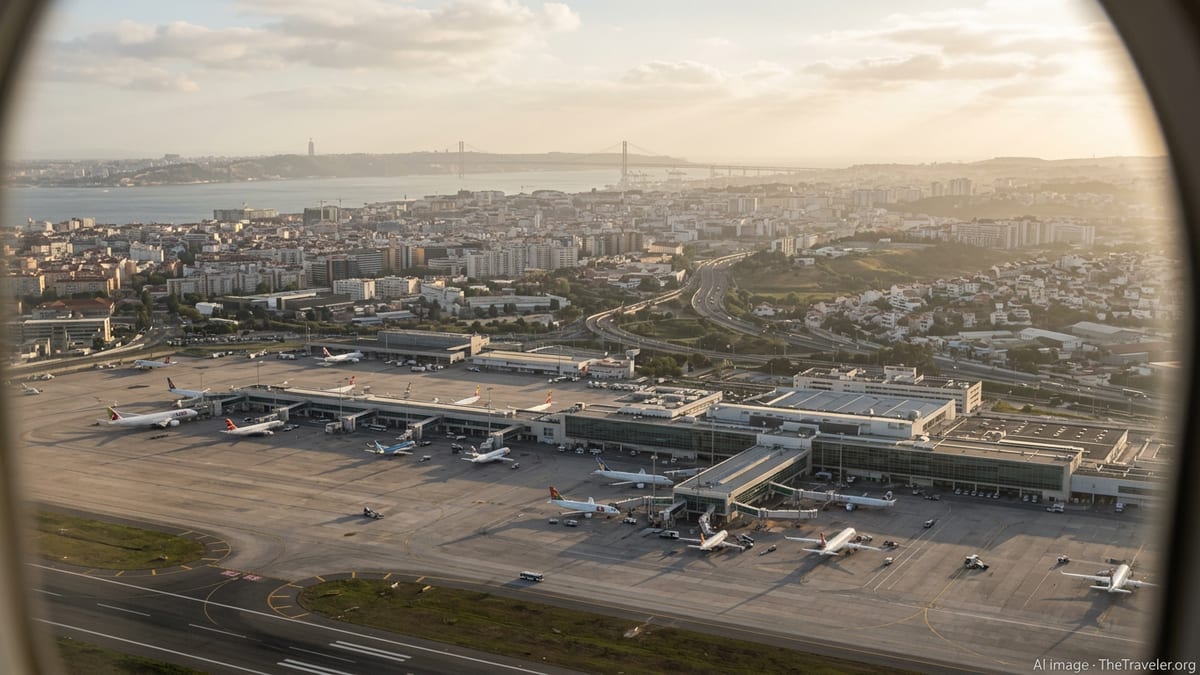
Lisbon’s Humberto Delgado Airport sits a short distance northeast of the city centre and is unusual among major European hubs for being so close to downtown. The proximity is convenient for travellers but has long limited the airport’s ability to expand, leading to chronic congestion at peak hours. It is one of the busiest single-runway airports in Europe and a primary hub for TAP Air Portugal, with extensive links to Brazil, North and South America, Africa and major European capitals.
The airport is divided into Terminal 1 and Terminal 2. Terminal 1 handles most full service airlines, long haul routes and Schengen connections, and is linked directly to the city’s metro network. Terminal 2 is primarily used for low cost carriers and has historically offered more basic facilities, though it has recently undergone expansion and modernisation. Investment by the current operator has focused on enlarging departure areas, adding more natural light, extra seating and more retail and dining options, along with new biometric boarding gates intended to speed up passenger flows.
Getting into Lisbon from the airport is straightforward. The metro offers one of the quickest and most economical options, connecting the terminal to central stations where you can change for other lines. Taxis and app based ride services line up outside arrivals, and travel time to most central neighbourhoods is usually between fifteen and thirty minutes in normal traffic. Aerobus style dedicated shuttle services have been scaled back and reconfigured over time, so it is worth checking locally for the most current options. For travellers with early departures or late arrivals, on site and nearby hotels mean you can avoid a long transfer.
Lisbon’s long running debate about capacity has finally resulted in government approval for a new international airport east of the city, planned to open in the next decade. When the new facility eventually begins operations, the current Humberto Delgado Airport is expected to close. For the foreseeable future, however, travellers should continue to expect busy terminals, occasional delays at security and passport control during peak hours, and limited space at departure gates. Allow extra time, especially if you are unfamiliar with the layout or need to transfer between terminals.
Porto Francisco Sá Carneiro Airport: Growing Northern Gateway
Porto’s Francisco Sá Carneiro Airport, located to the northwest of the city, has quietly become one of Iberia’s most efficient and appreciated mid sized hubs. Passenger volumes have grown faster than in Lisbon, supported by a strong mix of low cost and full service carriers, as well as demand from northern Portugal, Galicia in Spain and the wider Portuguese community abroad. Many travellers now choose to begin or end their Portugal itinerary in Porto to avoid Lisbon’s crowds and to explore the north in more depth.
The terminal at Porto is modern, compact and generally easy to navigate. Its single terminal design means domestic, Schengen and non Schengen flights are all under one roof, which simplifies connections. Security and passport control lines can build up at rush hours, but the overall experience is often calmer than at Lisbon. Facilities include a good range of cafes, shops and car rental desks, and the airport has steadily added more self service and biometric options at check in and boarding gates.
Transport links into Porto are among the best of any Portuguese airport. The metro line connects the terminal directly with downtown, offering a predictable journey time and avoiding road traffic. Trains run at regular intervals throughout the day, with additional services at busy times. Taxis and ride share vehicles are also readily available, and the drive into the historic centre usually takes around twenty to thirty minutes, depending on traffic. Intercity coaches and private transfers use the airport as a pickup point for destinations across northern Portugal and into Spain.
For travellers heading to the Douro Valley, Minho region or coastal towns such as Braga, Viana do Castelo or Aveiro, flying into Porto can reduce backtracking and cut several hours of overland travel. As airlines continue to open routes from more European cities, Porto’s role as a northern gateway is likely to grow, making it a useful alternative for repeat visitors to Portugal who want to explore beyond Lisbon and the Algarve.
Faro Gago Coutinho Airport: Doorway to the Algarve
Faro’s Gago Coutinho Airport is the principal air gateway to the Algarve, Portugal’s southern coastal region known for its beaches, golf resorts and mild winters. For decades it was seen largely as a summer airport, filling with charter flights and low cost carriers from northern Europe between spring and early autumn. In recent years, however, it has broken passenger records and now handles more than ten million travellers a year, with winter traffic growing sharply as airlines add off season services aimed at long stay visitors and digital nomads.
The terminal is relatively compact, and although it has been upgraded and expanded over time, it can still feel crowded on peak changeover days when multiple flights from the United Kingdom, Ireland, Germany and the Netherlands arrive close together. Facilities include a solid selection of cafes, bars and duty free outlets, along with car hire firms that cater specifically to holidaymakers planning to explore the coast by road. Check in and security queues tend to move briskly outside of the busiest weekend time slots, but early arrival remains advisable in the height of summer.
Connections from Faro Airport to surrounding resorts are straightforward, if somewhat fragmented. There is a local bus link into central Faro, where you can connect onwards by train or regional bus to towns such as Albufeira, Lagos and Tavira. Many visitors, however, rely on pre booked shuttle transfers arranged by tour operators or online companies, which use shared minibuses or private cars to reach hotels along the coast. Taxis and ride share options are also available at the terminal, and car rental remains a popular choice for travellers who want the flexibility to explore smaller coves and inland villages.
One of the notable recent trends at Faro is the diversification of routes. Alongside the traditional links with northern Europe, new services have connected the Algarve with North America and Nordic capitals, as well as with Madeira. As passenger numbers have climbed beyond the original design capacity of the terminal, the airport operator has begun planning further expansions and investing in technology such as biometric processing and additional self service bag drops. For visitors, this means a gradually improving experience, though summer bottlenecks are likely to continue as long as traffic growth outpaces physical expansion.
Madeira and Azores: Island Airports and Weather Challenges
Portugal’s Atlantic islands rely on a network of regional airports that face very different operating conditions from their mainland counterparts. Madeira’s main airport, serving Funchal, sits between steep mountains and the sea and is known among pilots for its challenging approach. Over the years, the runway has been extended and safety systems significantly improved, yet the unique geography and occasional strong winds still lead to diversions or delays, particularly in winter. For passengers, this usually translates into careful scheduling and a degree of flexibility built into airline timetables.
The Madeira archipelago also includes smaller airports on Porto Santo, which enable short hops between islands and occasional charter and seasonal flights. These air links are essential not only for tourism but also for medical transfers, cargo and the day to day movement of residents. Recent growth in visitor numbers has encouraged more airlines to open routes to Madeira, including services operated by low cost carriers, which has helped to bring in travellers beyond the traditional winter sun and cruise markets.
In the Azores, Ponta Delgada on São Miguel acts as the principal hub, with additional airports on Terceira, Faial, Pico, Horta and other islands forming a web of inter island connections. Local carriers provide frequent short flights that, in many cases, replace ferries during periods of rough seas. Weather plays a significant role in the reliability of these services. Atlantic storms, low cloud and high winds can prompt disruptions, and island airports often need to make quick operational changes, such as rerouting flights to alternative islands until conditions improve.
International connectivity to the Azores has evolved over the past decade, with a mix of flag carriers and low cost airlines operating seasonal and year round services. Some routes have been reduced or withdrawn as airlines respond to changing costs and demand, while others have been added to link the islands with new source markets. Travellers planning to include the Azores in their itinerary should pay close attention to current schedules, be prepared for possible weather related changes and consider spending a night at the start or end of their trip on São Miguel or Terceira to avoid tight connections with mainland flights.
Getting To and From the Airports: Transport and Transfers
One of the most important practical considerations when choosing where to fly in and out of Portugal is ground transport. In Lisbon and Porto, metro connections are a major advantage, providing predictable journey times to the city centre and linking to railway and bus terminals. The cost of a metro ticket from the airport is usually modest compared with taxi fares, and services run from early morning until late evening, though not typically through the night. For early departures or very late arrivals, taxis or ride share services often become the default choice.
Road access to the major airports is generally straightforward, though traffic congestion can be an issue around Lisbon during rush hours and peak holiday periods. Taxis are metered and usually reliable, but visitors should confirm expected fares in advance or ensure the meter is running. App based services offer additional transparency on pricing. Many travellers opt for private transfers, particularly when travelling in groups or with substantial luggage, as door to door service can offset the higher cost compared with public transport.
At Faro, where many visitors head straight to coastal resorts, transfer logistics are a central part of the travel experience. Tour operators frequently include shuttle buses in package holidays, while independent travellers can choose between shared shuttles, private transfers, rental cars and public buses. The local bus into Faro town is affordable but may be less convenient if you are staying in outlying areas. Trains and regional buses from Faro city then connect to towns along the Algarve, but timetables may not align neatly with flight arrival times, especially at night.
On the islands, transport options vary widely. Funchal Airport offers taxis, buses and hotel shuttles, but the winding coastal and mountain roads mean journey times can be longer than the physical distance suggests. In the Azores, airport buses and taxis are usually available at Ponta Delgada and Terceira, while on smaller islands, taxi services can be limited outside of peak tourism periods. Renting a car is often the most flexible solution for travellers keen to explore rural landscapes, but it is wise to reserve in advance, especially during summer and major holiday periods when fleets can sell out quickly.
Future Developments and What They Mean for Travellers
Portugal’s rapid growth in air traffic has put long standing infrastructure questions back on the political agenda. After decades of debate over Lisbon’s capacity constraints, the government has approved plans for a new international airport across the Tagus River, intended to open in the next decade and eventually replace Humberto Delgado. Early outlines envision multiple runways and a much larger terminal complex designed to handle much higher passenger volumes and to reduce noise over the capital. While construction is still several years away, travellers should expect periodic announcements about transition timelines as plans evolve.
In the meantime, operators are investing in interim improvements at existing airports. In Lisbon, expansion projects at Terminal 1 and Terminal 2 aim to create additional boarding gates, enlarge departure areas and modernise central zones of the terminal, including retail and passenger services. Similar, though smaller scale, upgrades are under way in Faro and Porto, focusing on terminal refurbishments, energy efficiency and digitalisation. The growing adoption of biometric identification at security and boarding is intended to accelerate processing and manage crowding more efficiently.
On the islands, authorities and airport operators are balancing the desire for more visitors with environmental and community concerns. In Madeira and the Azores, discussions continue around sustainable tourism, including how many flights and cruise arrivals local infrastructure can comfortably absorb. Airlines have adjusted schedules and capacities in response to costs, taxes and changing demand, sometimes reducing services on marginal routes while reinforcing stronger markets. For visitors, this dynamic means it is wise to double check seasonal schedules and remain flexible in case of adjustments.
Looking ahead, travellers to Portugal can expect continued growth in capacity, especially on key leisure routes, but also potential pressure on fees and ticket prices as airports fund expansion and modernisation. Digital tools, from mobile boarding passes to real time queue information in airport apps, will play a larger role in smoothing the journey. Keeping an eye on official airport communications and airline notifications before and during travel will become increasingly important, particularly during peak holiday seasons when networks are running close to their limits.
Practical Tips for a Smooth Airport Experience
Given the rising passenger numbers and ongoing works at several Portuguese airports, a bit of preparation can make a significant difference to your journey. At Lisbon, plan to arrive earlier than the absolute minimum suggested by airlines, especially if you are flying at popular times such as Friday evenings, Sunday afternoons or holiday weekends. Security and passport control queues can be unpredictable, and walking distances between check in, security and more distant gates can be longer than you might expect from the terminal’s appearance.
Where possible, check in online before heading to the airport and use bag drop counters rather than full service desks. Many airlines offer automated kiosks at Lisbon, Porto and Faro, and these often have shorter queues than staffed counters. If you are connecting between Schengen and non Schengen flights, pay careful attention to the need for passport control and factor this into your connection time. When in doubt, opt for a longer layover, particularly at Lisbon, where bottlenecks can extend processing times.
For ground transport, research your options before arrival and have a backup plan. In Lisbon and Porto, it is worth knowing both the metro route and approximate taxi fare from airport to hotel in case one option is disrupted. In Faro, confirm whether your accommodation includes a shuttle or whether a shared transfer is available. On the islands, pre booking car hire or transfers can prevent last minute stress, especially when arriving late in the day or during a festival or public holiday.
Finally, keep an eye on local conditions. Weather events, strikes, infrastructure works and peak tourism surges can all affect airport operations. Monitoring airline apps and airport announcements, and building a modest buffer of time into your plans, will help you cope with delays. Portugal’s airports are modernising quickly, but like many busy hubs they operate close to capacity; travellers who plan ahead, travel with a bit of flexibility and remain patient at pinch points usually find the overall experience manageable and often pleasantly efficient.
FAQ
Q1. Which Portuguese airport should I fly into for a first visit?
For a first visit focused on city sightseeing, Lisbon is usually the best entry point, with the widest choice of flights and easy onward connections.
Q2. How far is Lisbon Airport from the city centre?
Lisbon Airport is only a few kilometres from the historic centre, with typical journey times of around fifteen to thirty minutes by metro or taxi, depending on traffic.
Q3. Is Porto Airport a good alternative to Lisbon?
Yes. Porto Airport is modern, generally less congested and well connected by metro, making it an excellent alternative, especially if you plan to explore northern Portugal.
Q4. Do I need to rent a car when flying into Faro for the Algarve?
You do not have to rent a car, but many visitors find it convenient for reaching beaches and towns not directly served by public transport or shuttle services.
Q5. Are flights to Madeira and the Azores often delayed due to weather?
Weather can affect island flights, particularly in winter, so some delays and occasional diversions are possible; building flexibility into your schedule is wise.
Q6. How early should I arrive at Portuguese airports before my flight?
For most flights, arriving two hours before European departures and at least three hours before long haul flights is sensible, with extra time at peak holiday periods.
Q7. Is public transport from the airports safe and easy to use?
Public transport from Lisbon, Porto and Faro airports is generally safe and straightforward, though you should keep an eye on luggage and check operating hours in advance.
Q8. Can I sleep overnight at Portuguese airports?
Sleeping in terminals is possible but not particularly comfortable; airport area hotels at Lisbon, Porto, Faro and Funchal are usually a better choice for rest.
Q9. Are there direct flights from North America to Portuguese regional airports?
Direct links from North America exist mainly to Lisbon and sometimes to Porto or Faro, while regional and island airports are typically reached via connections.
Q10. Are Portuguese airports friendly for travellers with reduced mobility?
Major airports in Portugal offer assistance services for travellers with reduced mobility, but it is important to request help in advance through your airline.