

Portugal and Italy both promise sunlit plazas, layered history and food that lingers in your memory long after you fly home. Yet the experience on the ground can feel very different. From prices and crowds to trains, beaches and wine country, understanding those differences is essential if you are choosing just one for a future trip or trying to decide which to visit first.
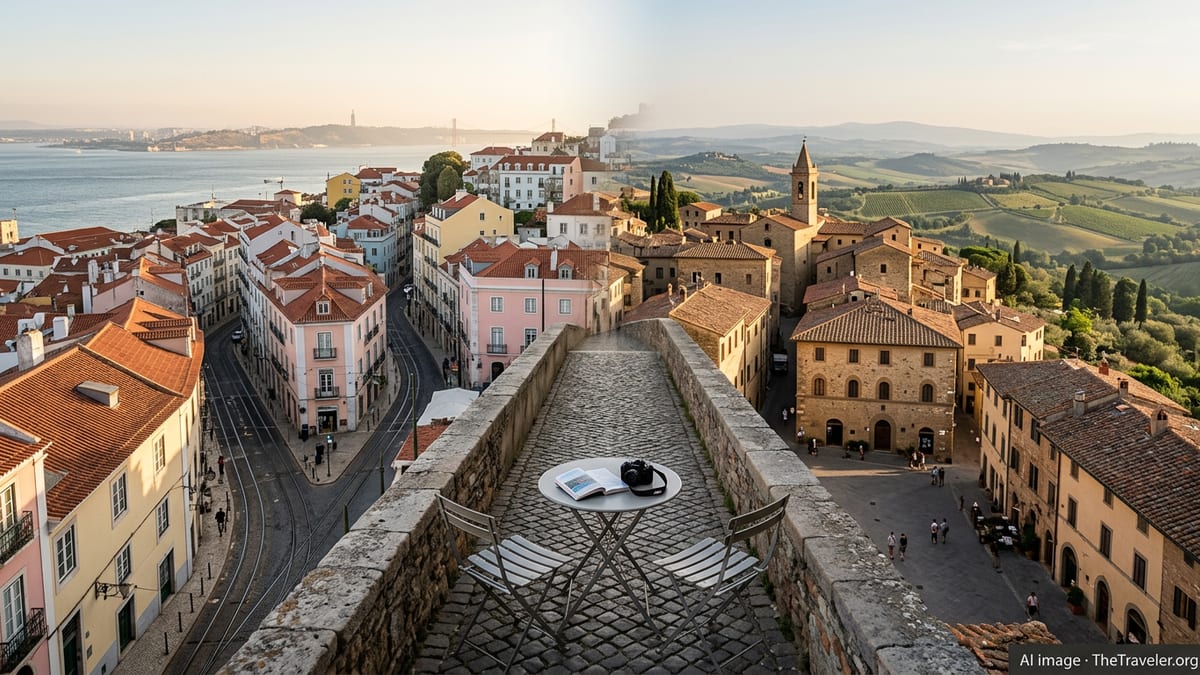
Overall Vibe and First Impressions
Italy feels like a grand stage. Cities such as Rome, Florence and Venice come with blockbuster sights that match most travelers’ mental picture of “classic Europe.” Piazzas bustle late into the night, church bells echo down narrow streets and even small towns can seem busy, layered and intense. For many visitors, Italy delivers that once-in-a-lifetime, must-see impact, but it can also feel crowded and occasionally overwhelming, especially in peak season and in the most famous destinations.
Portugal, by contrast, tends to feel more intimate and relaxed. Lisbon and Porto are substantial cities, but their historic quarters are compact and walkable, with steep hillside streets opening to river or ocean views. Outside the main hubs, whitewashed villages, fishing towns and smaller island communities in Madeira and the Azores offer a slower rhythm. Travelers often describe Portugal as more low-key and approachable, while still offering deep culture, atmospheric neighborhoods and sophisticated dining.
Both countries are extremely popular. Italy regularly ranks among the world’s top tourism destinations and continues to break records for overnight stays. Portugal has seen some of Europe’s fastest tourism growth in recent years, now welcoming visitor numbers several times its resident population. The difference most travelers notice is not whether there are tourists, but how intense those numbers feel on the ground. In general, Italy’s main sights are more crowded and heavily touristed, while Portugal still offers more pockets that feel undiscovered, particularly away from Lisbon, Porto and the Algarve.
Costs, Value and When to Visit
Many travelers choose between Portugal and Italy based on budget, and here the distinction is still noticeable. On average, daily spending in Portugal remains lower. Accommodation, meals, intercity transport and everyday expenses such as coffee, pastries and local transit typically cost less, especially outside the most touristy parts of Lisbon and the Algarve. This has helped Portugal develop a reputation as one of Western Europe’s better-value destinations for both short trips and longer stays.
Italy commands higher prices overall, especially in major art cities and iconic coastal areas such as the Amalfi Coast, Cinque Terre and parts of Sardinia. Hotels, restaurant meals and entrance fees to top attractions can quickly add up in a way that surprises first-time visitors. However, there is still good value to be found in smaller cities, inland regions and the south, where prices tend to drop and a more local rhythm of life takes over.
Seasonality matters in both places. Summers are hot and busy, particularly July and August. In Italy, this period sees dense crowds at major cultural sites and high prices along the coasts and in the lakes region. Portugal’s summer also brings beach crowds and high occupancy in the Algarve and central Lisbon, though many inland and northern areas remain more manageable. Shoulder seasons, especially late April to early June and September to October, generally offer the best balance of weather, availability and costs in both destinations.
Winter can be an attractive option for certain trips. Coastal Portugal, especially Lisbon and the Algarve, remains relatively mild, though wet. Italy’s south and islands can be pleasantly quiet, and cities such as Rome and Florence are cooler but atmospheric, with shorter queues for museums and landmarks. If budget and crowd levels matter more than guaranteed beach weather, a shoulder or off-season visit to either country can be especially rewarding.
Cities, Culture and Everyday Life
Italy’s cities are museums in motion. Rome offers ancient ruins beside baroque palaces; Florence layers Renaissance art with medieval streets; Venice is its own floating world. Even secondary cities such as Bologna, Turin and Naples deliver richly developed food traditions, grand architecture and vibrant street life. Time in Italian cities often revolves around specific cultural highlights: a particular church, a renowned sculpture, a storied café or a beloved neighborhood market.
Portuguese cities feel more compact yet equally distinctive. Lisbon’s historic districts spill across hills, with viewpoints overlooking a broad estuary and a mix of tiled facades, tram lines and modern waterfront regeneration. Porto, perched above the Douro River, combines merchant houses, port wine cellars and a booming contemporary restaurant scene. Smaller cities such as Coimbra, Braga, Évora and Guimarães provide a gentler pace, with lively university cultures or well-preserved old towns but fewer overwhelming crowds.
Culturally, both countries are rooted in Catholic traditions, layered with regional customs and a strong emphasis on family and food. In Italy, each region still guards its own dialects, culinary specialties and local festivals. In Portugal, the culture feels more unified at a national level, but there are clear differences between the maritime north, the sun-soaked south and the islands. Visitors to both countries will find deep music traditions, from Italian opera and regional folk to Portugal’s fado, usually experienced in intimate late-night venues.
For many travelers, daily life logistics feel a touch simpler in Portugal. English is widely spoken in tourism hubs and increasingly common in smaller towns, and there is a growing expat presence. Italy also has strong English usage in tourist areas, but it can be less consistent in rural regions. In both destinations, learning a few simple phrases in the local language dramatically improves interactions and signals respect.
Landscape, Beaches and Outdoor Experiences
Italy’s geography is dramatic and varied: the Alps and Dolomites in the north, volcanic landscapes near Naples, rolling countryside in Tuscany and Umbria, and long coasts on both the Tyrrhenian and Adriatic seas. Travelers can pair a cultural city break with alpine hiking, lake swimming or coastal drives within a few hours by train or car. Iconic outdoor experiences include walking trails along the Cinque Terre, cycling in the Po Valley and exploring the Amalfi Coast by boat.
Portugal’s landscapes feel more concentrated but no less appealing. The Atlantic coastline stretches from the windswept beaches north of Porto to the dramatic cliffs of the Algarve, with long surfing beaches, fishing villages and nature reserves in between. Inland, the Douro Valley’s terraced vineyards, Alentejo’s cork forests and the volcanic scenery of the Azores offer striking contrasts. Madeira, often described as a subtropical garden island, has lush mountains, coastal cliffs and extensive trail networks where crowding is managed through new access controls and modest trail fees in the busiest areas.
Beach culture differs in subtle ways. Italy’s famous coasts often feature organized beach clubs, with loungers and umbrellas for rent, and a strong social scene during high season. Free public stretches still exist but can be crowded or less central. In Portugal, many beaches feel more open and wild, especially along the western Atlantic coast. The Algarve offers a mix of broad sandy bays and hidden coves backed by cliffs. Surfers gravitate toward Portugal for its powerful Atlantic swells, while Italy tends to attract more casual swimmers and sunbathers along calmer Mediterranean waters.
Outdoor enthusiasts will find well-developed infrastructure in both countries, though with different emphases. Italy has exceptional hiking in the Dolomites and Apennines, skiing in winter, lake-based water sports and extensive cycling routes. Portugal shines for surfing, coastal walking, dolphin and whale watching in the islands, and river cruises through wine country. For travelers who prize dramatic mountain scenery above all, Italy usually takes the lead; for those prioritizing easy beach access and a strong mix of coastal and vineyard landscapes in a smaller area, Portugal often feels more manageable.
Food, Wine and Culinary Experiences
Italian cuisine is globally famous for a reason, and eating well is one of the central pleasures of travel there. Each region has its own specialties: seafood pastas and citrus in the south, truffles and rich ragù in the center, polenta and alpine cheeses in the north. Pizza in Naples, gelato across the country and simple espresso at the bar counter all acquire a special resonance when enjoyed in their original context. Even modest neighborhood trattorias can produce memorable meals given access to high-quality local ingredients and deep culinary traditions.
Portuguese food is less internationally known but can be equally rewarding. Fresh Atlantic seafood is a highlight, from grilled sardines and salt cod preparations to octopus, clams and hearty stews. Pork dishes, regional cheeses and rustic bread feature heavily in the interior. Lisbon and Porto have also become hubs for inventive contemporary cuisine, where chefs reinterpret classic dishes alongside natural wines and a growing cocktail scene. Bakeries are central to daily life, and local pastries can be dangerously addictive.
In terms of cost, everyday eating and drinking typically favor Portugal. A casual sit-down meal, a glass of house wine and a coffee tend to cost less than in Italy, especially in non-touristy neighborhoods. Italy offers extraordinary food at every price point, but popular destinations often see significant markups, particularly near landmark squares and main promenades. Savvy travelers in both countries seek out slightly side-street venues, daily specials and lunchtime set menus to balance quality and price.
Wine culture is profound in both destinations, with different expressions. Italian regions such as Tuscany, Piedmont and Veneto are home to widely recognized wines, and vineyard visits are a staple of many itineraries. Portugal, while long respected within Europe for port and madeira, is now gaining more international attention for its still wines, particularly from the Douro, Dão, Alentejo and Vinho Verde regions. Wine tourism in Portugal often feels slightly less formal and can offer excellent value, with tasting rooms that remain relatively relaxed and approachable.
Transport, Itineraries and Practicalities
Italy’s rail network is one of Europe’s most extensive, particularly for travelers moving between major cities. High-speed trains link Rome, Florence, Venice, Milan, Naples and Turin efficiently, making it possible to build multi-city itineraries without renting a car. Regional trains also serve many smaller towns, although frequency and punctuality can vary. In dense historic centers, walking is often the best way to get around, supplemented by local buses, trams and the occasional taxi.
Portugal’s rail and bus systems are improving but remain simpler. Trains efficiently connect Lisbon, Porto and parts of the Algarve, with comfortable service on main intercity routes. Many rural areas and some coastal stretches, however, are better reached by long-distance bus or rental car. Inside cities, modern tram and metro systems cover much of Lisbon, while Porto combines metro lines, funiculars and historic tram routes with walkable central districts. The country is small enough that with a car you can combine cities, beaches and inland regions on a relatively short trip.
Driving can be enjoyable and practical in both countries, though with different challenges. In Italy, narrow historic streets, limited traffic zones and assertive local driving styles can feel intimidating to some visitors, especially in large cities and popular coastal roads. In Portugal, roads are generally quieter outside urban areas, but toll systems and steep city hills require some adjustment. For many travelers, combining public transport for major city hops with short car rentals for countryside or coastal segments provides the best balance in either destination.
From a practical perspective, both countries use the euro, have broadly similar electrical standards and operate in comparable time zones within Western and Central Europe. ATMs are widely available, card payments are increasingly accepted and mobile connectivity is strong in most populated areas. Crowd management measures are growing in each country’s most popular locations, including timed entries, capacity limits and new access fees for certain natural and cultural sites, so advance planning is becoming more important no matter which destination you choose.
Overtourism, Sustainability and Local Impact
With growing popularity, both Portugal and Italy are grappling with how to balance tourism with local quality of life. In Italy, longstanding concerns include congestion in historic city centers, cruise ship impacts in coastal destinations and housing pressures in places where short-term rentals have grown quickly. Authorities have progressively introduced crowd-control measures and targeted fees for access to certain iconic sights, seeking to spread visitors more evenly across regions and seasons.
Portugal, once perceived as a quieter alternative, is now facing similar debates. Lisbon and Porto in particular have seen rapid growth in visitor numbers and short-term rentals, which some residents link to rising housing costs and changes in neighborhood character. Coastal regions and islands are also starting to regulate access to environmentally sensitive areas. On Madeira, for example, new booking systems and modest fees on selected hiking trails have been introduced to control foot traffic, fund maintenance and reduce pressure on fragile ecosystems.
For travelers, this means being more deliberate about how and where to visit. Choosing less crowded neighborhoods, traveling outside peak months, supporting locally owned businesses and respecting guidelines in natural areas all help mitigate impact. It also encourages more varied itineraries: in Italy, that might mean pairing a brief visit to Venice with longer stays in less famous cities or rural areas; in Portugal, it could involve balancing time in Lisbon with days in inland regions or lesser-known stretches of the Atlantic coast.
Overall, both countries are shifting their tourism strategies toward higher-value, more sustainable visitation, focusing on length of stay and spending quality rather than simply maximizing head counts. Travelers who are flexible with timing and willing to explore beyond the biggest names will find that they are welcomed and can still experience an authentic sense of place, while contributing positively to local economies.
Who Should Choose Portugal, Who Should Choose Italy
Italy is often the better fit for first-time visitors to Europe who dream specifically of world-famous art, architecture and archeological sites. Travelers who want to see icons such as the Colosseum, the Vatican Museums, Florence’s Renaissance treasures and Venice’s canals in one journey will find it easier to do so within Italy’s borders. It also suits those drawn to dramatic mountains, glamorous coastal scenes and a very developed food and wine tourism scene, especially if they have the budget and patience to navigate peak-season crowds.
Portugal tends to suit travelers who value a slower pace, softer prices and compact variety. It is particularly appealing for people planning a first trip to Europe who feel less attached to individual “bucket list” monuments and more interested in overall atmosphere, café culture, coastal scenery and emerging food and wine experiences. It also works well for return visitors to Europe who have already seen Italy and are looking for something that feels familiar in its southern European character yet distinct in everyday details.
Families and longer-stay travelers often find Portugal accessible and good value, especially when renting apartments or guesthouses in coastal towns or smaller inland cities. Italy, in turn, can be ideal for trips that mark special occasions, honeymoons or multi-generation family gatherings where the emphasis is on memorable shared experiences, even if that means higher costs and more time spent in queues.
In the end, the choice between Portugal and Italy rarely comes down to one being “better” than the other. It is more a question of travel style, budget, tolerance for crowds and the kind of memories you most want to bring home. Both destinations reward repeat visits and deeper exploration well beyond the most photographed places.
The Takeaway
Comparing Portugal and Italy is less about declaring a winner and more about understanding fit. Italy delivers some of Europe’s most iconic art, architecture and landscapes, wrapped in an energetic, occasionally chaotic package that many travelers find thrilling. Portugal offers a gentler, more affordable experience, with layered history, excellent food and wine, and generous Atlantic horizons that invite lingering rather than rushing.
If you are budget-conscious, prefer smaller-scale cities and want a mix of beaches and culture without constant crowds, Portugal is likely to align more closely with your expectations. If you dream of walking through the settings of history books and art history lectures, and you are prepared for busy streets and higher prices in exchange for that intensity, Italy remains a powerful choice.
In practical terms, you can hardly go wrong with either. The key is to be realistic about costs, crowd levels and logistics, to choose the right season for your priorities and to leave space in your itinerary for unscripted moments. Whether that means a late-evening stroll along the Douro or a quiet espresso on a Roman side street, those small experiences often become the highlights that define your personal answer to the Portugal versus Italy question.
FAQ
Q1. Is Portugal cheaper to visit than Italy?
Generally yes. Accommodation, meals, local transport and everyday expenses are typically lower in Portugal, especially outside the most touristed districts and peak summer weeks.
Q2. Which is better for a first trip to Europe, Portugal or Italy?
Italy suits visitors focused on major historic and artistic sights, while Portugal is ideal for those prioritizing value, relaxed cities and easy access to beaches.
Q3. Where will I find fewer crowds, Portugal or Italy?
Portugal usually feels less crowded, particularly outside Lisbon, Porto and the Algarve, whereas Italy’s main cities and famous coastal areas can be very busy in high season.
Q4. Which country is better for beaches?
Portugal offers long Atlantic beaches and striking cliffs, especially in the Algarve, while Italy has more sheltered Mediterranean-style resorts and organized beach clubs.
Q5. Is public transport better in Portugal or Italy?
Italy has a more extensive rail network, including high-speed trains between major cities. Portugal’s system is simpler but works well on core routes and is supported by intercity buses.
Q6. Which destination is more family-friendly?
Both work well for families. Portugal’s smaller size, gentle vibe and prices often appeal to those traveling with children, while Italy’s famous sights can captivate older kids and teens.
Q7. Where will I eat better, Portugal or Italy?
Both countries offer excellent food. Italy is stronger for globally familiar dishes like pasta and pizza, while Portugal excels with seafood, regional specialties and good value everyday dining.
Q8. Is one country safer than the other for solo travelers?
Both Portugal and Italy are generally safe for solo travelers who take normal urban precautions, such as minding valuables in crowded areas and using reputable transport.
Q9. Which country is better for wine tourism?
Italy has world-famous wine regions with broad international recognition. Portugal offers equally rewarding vineyard experiences that often feel more low-key and affordable.
Q10. If I only have one week, which should I choose?
Choose Italy if your dreams center on specific landmarks and museums. Choose Portugal if you want an easier-paced mix of one or two cities with coastal or countryside escapes.