

Portugal and Spain sit side by side on the Iberian Peninsula, sharing sunshine, Atlantic swells, and deep Catholic traditions, yet they deliver strikingly different travel experiences. As tourism rebounds and even breaks records across southern Europe, many travelers now face a real dilemma: if you have time or budget for only one, should you go to Portugal or Spain?
Overall Vibe: Laid-back Portugal vs High-energy Spain
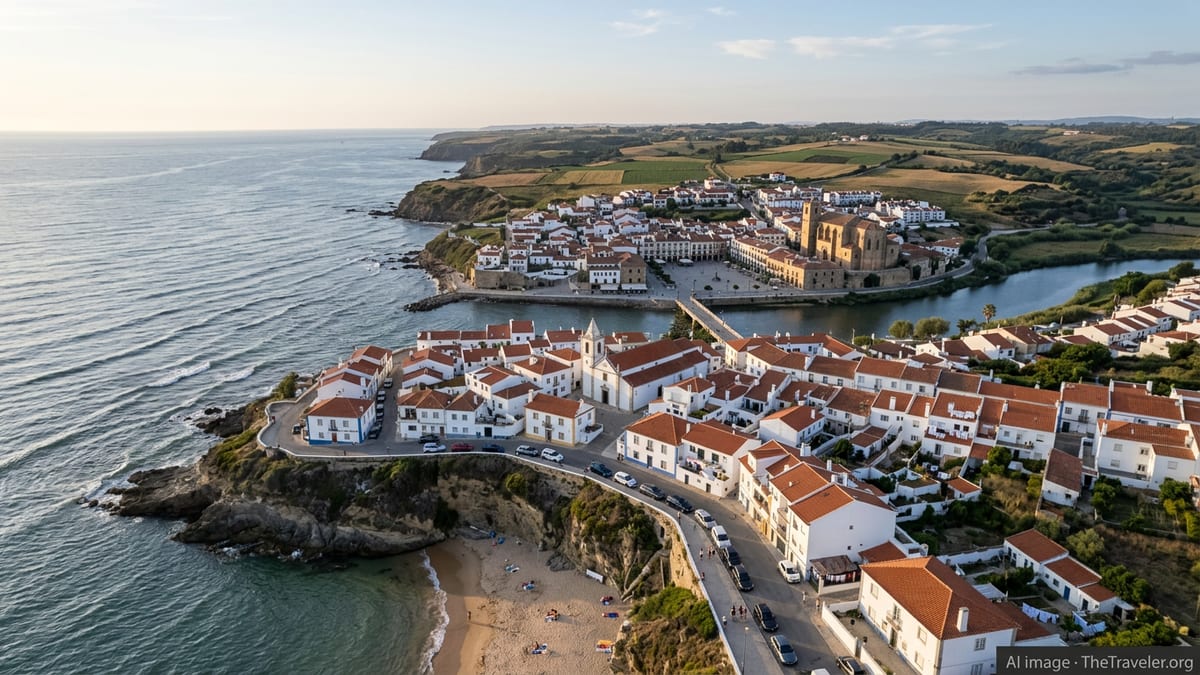
Although Portugal and Spain share a border and a broadly Mediterranean lifestyle, their rhythms feel quite different on the ground. Portugal tends to come across as more understated and introspective. In coastal cities like Lisbon and Porto, life still pauses for long coffees and slow lunches, and even popular neighborhoods retain a village-like feel. You can find nightlife and busy streets, but the overall pace is relaxed and crowds are generally smaller, especially outside peak summer.
Spain, by contrast, is one of the world’s tourism powerhouses and feels like it. The country welcomed close to 97 million foreign visitors in 2025, setting yet another record and underscoring its status as a global holiday giant. Major destinations such as Barcelona, Madrid, Seville, the Balearic Islands, and the Costa del Sol can feel intensely vibrant, with late-night dining, packed bars, and festivals that stretch until dawn. For many travelers, that energy is the point, but it can be overwhelming if you prefer quieter streets.
Culturally, Spain often feels more extroverted, with flamenco clubs, busy tapas bars, and outdoor plazas that fill every evening. Portugal leans into melancholy fado music, tiled facades, miradouros (viewpoints), and a more reflective mood. Both countries are friendly and welcoming to visitors, though in Portugal you may find English spoken more widely in tourist areas, easing the experience for first-timers to Europe.
Choosing between the two comes down to personal preference. If you picture yourself wandering calm cobbled lanes, listening to music in intimate venues, and watching the Atlantic at sunset, Portugal may feel like a better emotional match. If your ideal trip involves long nights of tapas-hopping, big-city museums, and an endless choice of bars, Spain’s buzz will likely win.
Costs and Value for Money
For many travelers, budget is the deciding factor, and here Portugal generally has the edge. Multiple recent cost of living comparisons suggest that overall day-to-day expenses in Spain are several percentage points higher than in Portugal, particularly for dining out, groceries, and local services. In practical terms, you are more likely to find a hearty lunch menu in Portugal that includes a drink and coffee for under 10 to 12 euros, while an equivalent menu of the day in Spain is more often in the 12 to 15 euro range in popular cities.
Accommodation follows a similar pattern. Midrange hotels and guesthouses in Lisbon and Porto remain slightly cheaper on average than comparable options in Barcelona or Madrid, though the gap has narrowed as Lisbon has become trendier. In secondary Portuguese cities such as Coimbra, Évora, or Braga, room rates are still relatively modest outside the peak of July and August. Spanish resort islands and coastal strips command higher prices in summer, particularly in the Balearics and the Costa del Sol, where international demand pushes up nightly rates.
Transportation costs tilt somewhat in Portugal’s favor as well. Intercity trains and long-distance buses in Portugal are usually a bit cheaper than equivalent routes in Spain, even though Spain’s network is larger. Public transport in major Portuguese cities, especially monthly or day passes, is competitively priced, making car-free travel realistic for most itineraries. Fuel, on the other hand, often runs slightly cheaper in Spain, which can matter if you are planning a long road trip through rural regions.
Overall, travelers who are highly price-sensitive, such as backpackers, students, or long-term digital nomads, often find that Portugal delivers better value for everyday spending, while Spain offers a wider range of options at every price point, from ultra-budget to ultra-luxury. If you like to splurge on one aspect of travel, such as food or museums, and save on others, Spain’s scale gives you more flexibility, though you should budget a bit more than you would for a similar trip in Portugal.
Landscapes, Cities, and Beaches
The Iberian Peninsula packs remarkable geographic diversity, and both Portugal and Spain showcase it in different ways. Portugal has a long Atlantic coastline, dramatic cliffs in the Algarve, green terraced river valleys in the north, and the volcanic landscapes of the Azores and Madeira. The country feels compact, with distances between many highlights relatively short, which makes it ideal for one to two week itineraries that mix cities, beaches, and wine country without long travel days.
Spain, by contrast, is much larger and spans several distinct climate zones, from the Pyrenees in the north to semi-arid landscapes in the south. In one trip you can move from Atlantic surf beaches in the Basque Country to Moorish palaces in Andalusia, then on to Mediterranean islands with turquoise water. Spain offers more variety overall, but that breadth means you need more time or more flights and train rides to experience it.
Beach lovers face a particularly tough choice. Portugal’s Algarve region delivers golden sand coves backed by cliffs, powerful Atlantic waves, and beach towns that, while busy in summer, are still smaller-scale than the mega-resorts of some Spanish coasts. The country also offers hundreds of Blue Flag beaches along its west and north coasts, many of them relatively uncrowded outside of August. Spain, on the other hand, has both Atlantic and Mediterranean shorelines, from the surf-friendly coasts of Galicia and Cantabria to the calm waters of the Balearic Islands and the year-round warmth of the Canary Islands. If beach variety and guaranteed summer weather are your priorities, Spain wins for sheer choice.
Urban experiences feel different too. Lisbon and Porto, Portugal’s main draws, are steep, photogenic cities of viewpoints, vintage trams, and riverfront promenades. They feel intimate compared with Spain’s major metropolitan centers. Madrid is a capital of grand boulevards and world-class museums, while Barcelona pairs modernist architecture with a vibrant waterfront and one of the liveliest urban beach cultures in Europe. In Spain you also have a deeper bench of mid-sized cities that feel like destinations in their own right, such as Valencia, Seville, Málaga, Zaragoza, and Bilbao. If you love city breaks and museum-hopping, Spain is hard to beat. For travelers who prefer a smaller-scale urban experience, Portugal is often more appealing.
Crowds, Seasonality, and Overtourism
As of 2025, Spain continues to break tourism records, drawing tens of millions of international visitors each year and solidifying its position among the world’s most visited countries. Those numbers translate into very real crowding in popular areas during peak months. Historic centers in Barcelona, parts of Madrid, and resort zones in the Balearic and Canary Islands can be heavily congested in summer, with long lines for attractions and busy nightlife districts that run late into the night. In some regions, local attitudes toward mass tourism have become more vocal, with protests highlighting concerns about housing costs and strain on infrastructure.
Portugal has also seen a surge in popularity, especially in Lisbon, Porto, and the Algarve, but on a smaller scale. Tourist volumes are significantly lower than in Spain, and outside a few hotspots you can still find relatively peaceful towns and coastal areas even in high season. That said, some Portuguese neighborhoods are feeling the pressure from short-term rentals and rising prices, and crowding is becoming more of an issue in certain viewpoints, tram routes, and famous beaches, particularly on summer weekends.
Seasonality works differently between the two countries. Portugal’s Atlantic climate means that summer is warm but often less intensely hot than inland or southern Spain, with more chance of wind and cooler evenings. Beach weather along Portugal’s west coast can feel fresh even in July, which many travelers welcome. Spain’s Mediterranean regions typically have hotter, drier summers and a longer reliable beach season that stretches from late May into October, especially in the south and on the islands. This extended season both spreads visitors across more months and increases the overall number of tourists.
If you are sensitive to crowds and want a quieter experience, Portugal is usually the safer bet, especially if you travel outside the peak of late July and August. In Spain, more planning is required to avoid the busiest times and places. That might mean skipping a summer weekend in Barcelona’s Gothic Quarter in favor of an early spring visit, or choosing lesser-known regions such as Extremadura or inland Galicia over the most heavily promoted coastal strips.
Food, Wine, and Nightlife
Food alone is a compelling reason to visit both Portugal and Spain, though they offer distinct culinary identities. In Portugal, you will encounter simple, hearty dishes built around grilled fish, stews, and generous portions of rice and potatoes. Cod, in many variations, is a national staple, while pastel de nata custard tarts have become an international icon. Portions tend to be substantial, prices relatively modest, and the atmosphere in traditional tascas informal and unpretentious.
Spain’s food culture is more about variety and social dining. Tapas and pintxos encourage you to sample many small plates and move from bar to bar, especially in regions such as Andalusia and the Basque Country. Each region has its own specialties, from paella in Valencia to cocido in Madrid and seafood feasts in Galicia. Spain also has a larger concentration of high-end and Michelin-starred restaurants, catering to food travelers seeking tasting menus and chef-driven experiences.
Wine culture is strong in both countries, but again with different personalities. Portugal’s Douro Valley produces world-famous port along with increasingly respected table wines, and wine tourism along the Douro River has grown steadily. You will also find notable wines from regions like Alentejo, Dão, and Vinho Verde. Spain’s wine scene is broader and more internationally recognized, with regions such as Rioja, Ribera del Duero, Priorat, and Rías Baixas all offering distinct styles. For travelers who want to combine vineyard visits with sophisticated tasting rooms and wine museums, Spain generally offers more options, though Portugal can feel more intimate and less commercial.
Nightlife is perhaps the clearest area where Spain has the upper hand. Big cities and coastal resorts are famous for staying awake until the early hours, with a deep bench of bars, clubs, and late-night music venues. Ibiza and other Balearic islands are synonymous with international DJs and dance parties. Portugal certainly has nightlife, especially in Lisbon’s Bairro Alto and Cais do Sodré or in student-heavy Coimbra, but the scale is smaller and the scene more localized. Travelers seeking legendary party nights will likely be happier in Spain, while those who prefer low-key evenings with live music and wine bars may gravitate toward Portugal.
Transport, Connectivity, and Getting Around
Spain and Portugal are investing heavily in connectivity, both domestically and across their shared border. Spain already has one of Europe’s most extensive high-speed rail networks, with AVE trains linking Madrid to Barcelona, Seville, Málaga, Valencia, and other major cities in just a few hours. This makes city-hopping very efficient, although tickets on the fastest services can be relatively expensive if not booked in advance. Budget airlines also connect many Spanish cities and islands, often at competitive prices when booked early.
Portugal’s rail network is smaller but generally affordable, with reliable intercity connections between Lisbon, Porto, Coimbra, and the Algarve. Long-distance buses fill in the gaps and are often the best-value option for budget travelers. Within Lisbon and Porto, you will find functional metro and tram systems, plus regional trains that reach nearby beaches and towns. The country is also improving cross-border infrastructure with Spain, including a series of new bridges over the Guadiana, Erges, and Minho rivers that aim to make road journeys between the two nations smoother and more scenic.
For road trips, both destinations offer excellent scenery but different practicalities. Spain’s major highways are extensive and increasingly toll-free, making long-distance driving straightforward, though navigating large cities can be stressful for newcomers. Portugal’s toll system involves a mix of traditional booths and electronic gantries that can be confusing at first, and costs can add up, especially for larger vehicles. Fuel prices tend to be somewhat higher in Portugal than in Spain, something to factor into a car-based itinerary.
Air connectivity from North America and other long-haul markets slightly favors Spain, simply because Madrid and Barcelona are larger hubs served by more carriers and routes. Lisbon, however, has carved out a strong role as a transatlantic gateway, especially from the United States and Brazil, with Portugal’s flag carrier expanding long-haul services. In practice, you can often find competitive fares to either country, and open-jaw tickets that arrive in one and depart from the other are increasingly attractive to travelers who want to sample both on a single trip.
Safety, Practicalities, and Traveler Profiles
Both Portugal and Spain are generally considered safe for visitors, with low levels of violent crime compared with many other global destinations. The most common risks in tourist areas are petty theft and pickpocketing, particularly in crowded city centers, public transport, and busy nightlife districts. Standard big-city precautions usually suffice. Women travelers and solo visitors typically report feeling comfortable in both countries, especially when staying in central, well-lit areas and using reputable transport services.
Language is one area where some travelers notice a difference. English is widely used in tourist-facing businesses in Lisbon, Porto, and the Algarve, and younger Portuguese people often speak it with confidence. In Spain, English is also common in major cities and tourist zones, but you may encounter more language barriers in smaller towns and in day-to-day interactions away from the main sights. Knowing a few words of basic Spanish or Portuguese is appreciated in both places and can make routine tasks such as ordering food or buying tickets smoother.
For families, both destinations score highly, with accessible beaches, family-friendly restaurants, and a generally warm attitude toward children. Spain offers a wider array of theme parks, large aquariums, and organized family attractions, while Portugal’s appeal lies more in gentle coastal towns, castle visits, and outdoor adventures such as kayaking or easy hiking. Accessibility infrastructure, such as ramps, lifts, and accessible transport options, is improving in both countries, though it tends to be more comprehensive in modern metro systems and newer public buildings.
Different types of travelers may naturally gravitate to one country over the other. Digital nomads often praise Portugal’s combination of relative affordability, good internet, and a strong community in cities like Lisbon and Porto. Retirees and slower travelers may appreciate Portugal’s calmer pace and compact size, which simplifies logistics. Spain, with its larger urban centers and extensive domestic flights and trains, is well suited to travelers who like ambitious itineraries, frequent city changes, and a wide menu of cultural events, from football matches to opera and contemporary art exhibitions.
The Takeaway
Choosing between Portugal and Spain is rarely about finding an objectively better country. It is about matching each destination’s character, costs, and logistics to your travel style and expectations. Spain offers more of almost everything in absolute terms: more cities, more beaches, more museums, more nightlife, and more flight connections. It is an ideal choice if you thrive on energy, want a dense program of cultural experiences, or hope to combine iconic attractions such as Barcelona’s modernist architecture, Madrid’s art museums, and the palaces of Andalusia in a single trip.
Portugal, though smaller, holds its own by offering a gentler, more intimate experience. It generally delivers better value for money, feels less crowded, and is easier to explore at a slower pace. Its dramatic Atlantic coastline, historic riverside cities, and evolving food and wine scene attract travelers who prioritize atmosphere over bucket-list checkmarks. For many visitors, Portugal feels like a place to linger rather than rush.
If you have at least two weeks and enjoy moving frequently, Spain may be the more rewarding playground. If you have a shorter timeframe, are traveling on a tighter budget, or simply prefer a calmer, coastal-focused escape, Portugal often emerges as the better fit. Increasingly, however, the most satisfying solution is a combined itinerary that uses improved cross-border links to sample both. Whether you start with pastel de nata in Lisbon and end with tapas in Seville, or the other way around, Iberia as a whole offers one of Europe’s richest travel canvases.
FAQ
Q1: Is Portugal or Spain cheaper for a one-week vacation?
In general, Portugal is slightly cheaper, especially for dining out, transport, and midrange accommodation, though prices in popular areas like Lisbon and the Algarve have risen.
Q2: Which country is better for first-time visitors to Europe?
Both work well, but Portugal’s smaller size, gentler pace, and wider use of English make it a bit easier for first-timers, while Spain offers more major cities and famous sights.
Q3: Where will I find better beaches, Portugal or Spain?
Spain offers more variety and a longer warm season, particularly in the Mediterranean and Canary Islands, while Portugal excels in dramatic Atlantic scenery and surf-friendly coves.
Q4: Is Spain really overcrowded with tourists now?
Spain’s top destinations can be very crowded in peak months, and some have seen overtourism protests, but quieter regions and off-season periods still offer a more relaxed feel.
Q5: Which is safer for solo travelers?
Both Portugal and Spain are considered safe, especially compared with many global destinations. Normal big-city precautions against petty theft are recommended in busy areas.
Q6: Do I need a car to explore Portugal or Spain?
You can explore the main routes in both countries by train and bus. A car is useful for rural regions, smaller villages, and more remote beaches, especially in Portugal.
Q7: Which destination is better for food lovers?
Spain offers greater regional variety and a strong tapas culture, as well as many top-end restaurants. Portugal shines for simple, generous seafood dishes and traditional comfort food.
Q8: Is it easy to combine Portugal and Spain in one trip?
Yes. Improved rail, road, and air links, including new cross-border bridges, make it increasingly straightforward to start in one country and finish in the other.
Q9: Where will I find better nightlife?
Spain has the edge, with world-famous party hubs and late-night urban scenes. Portugal’s nightlife is enjoyable but more compact and generally lower key.
Q10: Which country suits digital nomads and remote workers better?
Portugal is often favored for its cost, community, and lifestyle in cities like Lisbon and Porto, while Spain attracts those wanting larger-city amenities and more flight options.