

Lake Erie is one of North America’s most approachable great lakes: shallow enough to warm quickly in summer, broad enough to generate its own weather, and ringed with beaches, parks, and small cities. Yet the same traits that make it appealing can catch unprepared travelers off guard. Conditions can swing from glassy calm to dangerous chop in an afternoon, crowds surge and vanish with school holidays and fishing runs, and winter can alternate between bare shoreline and solid ice. Planning your visit around Lake Erie’s seasonal realities is the difference between a memorable trip and a frustrating one.
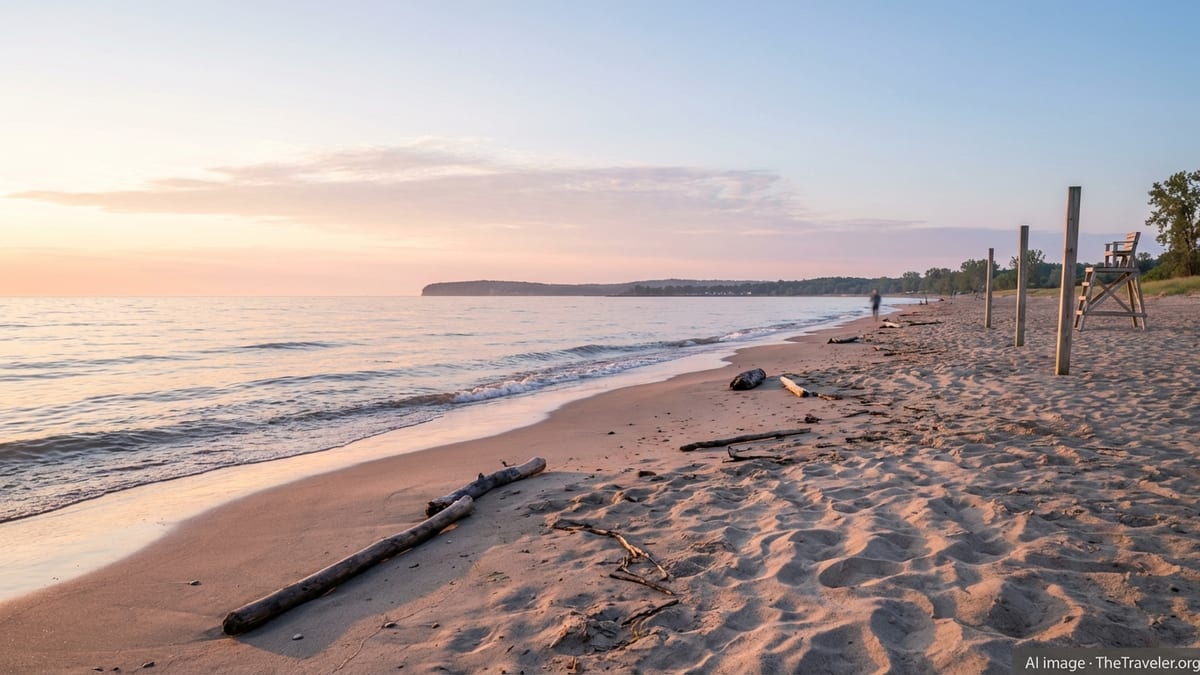
Understanding Lake Erie’s Big-Picture Climate
Lake Erie stretches roughly 241 miles from west to east and is the shallowest of the Great Lakes, a combination that makes its weather quick to change and strongly seasonal. In late spring and summer the water warms faster than the deeper Great Lakes, which is ideal for swimming and boating but also fuels summer thunderstorms. By contrast, in late autumn and early winter the relatively warm lake feeds cold air with moisture, producing heavy lake effect snow, especially downwind along the New York and Pennsylvania shores.
Typical summer daytime highs along the Lake Erie coast run from the mid 70s to low 80s Fahrenheit, with humidity that can make it feel warmer but with cooler evenings on the water. Some popular destinations, such as Presque Isle State Park near Erie, Pennsylvania, only see a handful of days above 90 degrees in a typical year, so heat waves are usually brief rather than sustained. Nights often bring welcome relief, which is helpful if you are camping or staying in older cottages without modern air conditioning.
Winter is a more complex story. Historically, Erie has seen extensive ice cover, and recent cold seasons have still produced episodes where more than 90 percent of the lake surface froze. At the same time, long term records from U.S. and Canadian agencies show a downward trend in average ice cover since the 1990s, with more frequent low-ice years. For travelers, that means winter conditions vary sharply by year: one January may support widespread ice fishing and snowmobiling, while another leaves much of the lake open and wind-whipped.
Spring and autumn are true “shoulder seasons” around Erie, when temperature swings of 20 degrees in a day are not unusual. Spring can feel raw on the shore even when inland cities are mild, because the cold lake delays warmth. Autumn can be spectacular, with lingering warmth, colorful foliage, and more stable weather. For many travelers, these transition seasons offer the best balance of comfort, cost, and crowd levels.
Best Seasons to Visit for Beaches, Boating, and Fishing
For classic beach vacations, the sweet spot is generally late June through mid August. By then, Erie’s shallow waters have absorbed enough heat that swimming is comfortable for most people, especially in the western and central basins off Ohio, Michigan, and Ontario, where the water tends to warm fastest. Sandbars and gently sloping beaches make many public shorelines family friendly, but early season visitors should still expect refreshingly cool dips, especially in June.
Boaters and paddlers see a slightly longer window. From about May through September, air temperatures and daylight hours favor extended outings, though May and early June often bring colder water that calls for extra caution. Mornings are typically the calmest time to be on the lake. Afternoon breezes can quickly build short, steep waves, particularly when winds align with the lake’s long axis. If you are planning sightseeing cruises from ports such as Erie, Pennsylvania or Cleveland, Ohio, look for forecasts with lighter winds and clear skies, and favor departures earlier in the day for smoother water.
Anglers view Lake Erie through the lens of its famed fisheries rather than its beaches. Spring is prime time for walleye and steelhead in many tributaries and nearshore waters as fish move in to spawn or feed. Summer shifts the action offshore, with charters running to deeper reefs and mid lake structures, while autumn can bring another productive shoulder season as water cools and fish return to shallower zones. Winter ice fishing, when conditions allow, centers on areas that freeze reliably, particularly the western basin, but ice thickness can vary significantly from year to year and even day to day, so local guidance is essential.
If your ideal trip is about scenery and hiking more than swimming, consider late September through mid October. By then, lake temperatures are still relatively mild, air temperatures are comfortable, and fall color intensifies along the bluffs and vineyards, especially on the Ontario and New York shores. Trail traffic drops compared with midsummer, and shoreline sunsets often come with crisp, clear air.
Navigating Crowds, Prices, and Booking Windows
Lake Erie’s busiest stretch runs from roughly late June through Labor Day, when schools are out, water is warmest, and major events such as festivals and regattas pack regional calendars. Popular beaches, islands, and harbor towns can feel crowded on sunny weekends, and same day lodging is often limited or very expensive. If you are targeting this peak period, aim to book lakefront hotels, campgrounds, and vacation rentals three to six months in advance, and even earlier if you want holiday weeks or ferry dependent island stays.
Weekday visits during peak season are an effective way to reclaim breathing room without sacrificing summer weather. Many smaller towns along the Ohio and Ontario coasts are noticeably quieter Monday through Thursday. Parking near beach access points is easier, restaurant waits are shorter, and charter operators may have more flexibility on outing times. For families who can adjust schedules, shifting a long weekend to arrive Sunday night and depart Wednesday can deliver a much calmer experience than a Friday to Sunday sprint.
Outside school holidays, May, early June, September, and early October function as shoulder seasons with clear advantages. Lodging rates frequently drop compared with midsummer peaks, and waterfront cabins or inn rooms that are booked solid in July may be widely available. The trade off is that some seasonal businesses operate on reduced hours or close by mid October, particularly on smaller islands. Travelers who prefer quiet trails and half empty beaches usually find this a fair exchange.
Winter draws a different kind of crowd: anglers for ice fishing when conditions permit, bird watchers tracking waterfowl and eagles, and urban weekenders seeking lakeside city breaks framed by snow and ice. Room rates are often lowest in the coldest months, but weather related disruptions are more likely. Flexibility is key. If a blizzard, seiche event, or dangerous cold spell appears in the forecast, be ready to shift dates or pivot to indoor activities in nearby cities such as Cleveland, Buffalo, or Erie.
Weather Hazards: Storms, Seiches, and Sudden Changes
Local residents often describe Lake Erie as moody, and for good reason. Its long, relatively narrow shape acts like a wind tunnel. When strong winds blow for hours along the lake’s length, they can quickly build large waves and even trigger seiches, oscillations where water piles up on one end of the lake and drops on the other. In recent winters and transitional seasons, seiches have exposed wide stretches of lakebed in western communities while simultaneously pushing water levels dangerously high in eastern ports. For shoreline visitors, these events are fascinating but potentially hazardous, especially when receding water suddenly rushes back.
Thunderstorms are a familiar summer feature and can be especially intense when hot, humid air passes over the lake. Rapidly darkening skies, gust fronts, and sharp wind shifts are all signs to get off the water or move well back from exposed piers and breakwalls. Even a modest storm can generate waves higher than many paddlers expect, and the lake’s short, steep chop tends to feel rougher than ocean swells of similar height. Small craft advisories from meteorological services are worth heeding, even if the shoreline still looks inviting.
Winter introduces a different suite of hazards. Arctic air outbreaks can drive wind chills to dangerous levels, while heavy lake effect snow creates whiteout conditions on highways and shoreline roads. The same open water that offers impressive views of steam fog and ice spray also supports powerful waves that can coat piers, rocks, and trail infrastructure in thick ice. Travelers tempted to photograph these formations should be extremely cautious: surfaces can be as slick as glass, and hidden voids may lie under snow or ice dunes.
Year round, the lake’s capacity for rapid change means that checking a reliable, local forecast should be a daily habit during your trip. Hourly wind and wave forecasts are indispensable if you plan to boat, sail, or paddle. On land, be prepared to adjust your schedule: a morning that starts gray and cool may turn into a bright beach afternoon, or vice versa. Layered clothing, waterproof outerwear, and a backup plan for indoor attractions will help you ride out these mood swings comfortably.
Seasonal Water Quality and Swimming Safety
While most summer days on Lake Erie are safe for swimming and paddling, seasonal water quality issues do arise, especially in the warmer, nutrient rich western basin. In recent years, late summer has brought harmful algal blooms in parts of the lake, where blue green algae can produce toxins that irritate skin or affect people and pets who ingest contaminated water. These blooms tend to flourish during stretches of hot, calm weather, forming green streaks or surface scum in sheltered bays and slow moving nearshore zones.
Public health agencies and environmental organizations in Ohio, Michigan, Ontario, and other Lake Erie jurisdictions monitor water quality and issue advisories when problems are detected. Before swimming, particularly in late July and August, it is wise to check the latest beach reports from local authorities. On site, simple visual checks help: if the water looks unusually murky, smells foul, or shows bright green streaks or paint like slicks, it is best to avoid contact and keep pets out as well.
Heavy rain is another seasonal factor. After strong storms, runoff can temporarily elevate bacteria levels at beaches, particularly near river mouths, urban areas, or combined sewer systems. Many municipalities test water quality regularly in summer and post results at beach entrances or online. If you arrive after a major downpour and find red or yellow flags, consider shifting to a day of hiking or visiting lighthouses and waterfront museums instead of swimming.
Cold water poses a quieter but equally significant risk in spring and early summer. Even when air temperatures climb into the 70s or 80s, the lake may still be cold enough to trigger cold shock and impair swimming ability quickly. Paddlers and boaters should dress for the water temperature rather than the air, using wetsuits or drysuits when appropriate and wearing life jackets consistently. Casual swimmers can stay safer by hugging the shoreline, limiting time in the water early in the season, and getting out promptly if they begin to feel chilled or numb.
Planning Around Ice, Snow, and Winter Recreation
For travelers fascinated by winter landscapes, Lake Erie can be spectacular between December and March. Snow covered beaches, sculpted ice dunes, and pancake ice along the shoreline create scenes that look almost polar, particularly on the downwind southern and eastern coasts. The timing and extent of these features vary by year. Some winters see the lake approach complete ice cover for a few weeks, while in other years large expanses remain open, shifting the balance toward dramatic waves and spray instead of solid ice.
Ice related recreation on Erie requires more planning than it once did because of the lake’s growing year to year variability. Long term records show that although occasional high ice years still occur, the overall number of frozen days has declined compared with the late twentieth century. In practice, that means shorter and less predictable windows for activities such as ice fishing, skating on sheltered bays, or hiking across frozen lagoons. Travelers hoping for these experiences should stay in close contact with local outfitters or park offices that monitor ice thickness daily.
Even when ice conditions are deemed safe, caution is essential. Thickness can vary within short distances due to currents, springs, or pressure ridges. Warm spells or rain can quickly undermine previously solid surfaces. When authorities post warnings or close access points, it is because conditions have changed, not out of an abundance of caution alone. Visitors unfamiliar with Great Lakes ice should strongly consider guided outings rather than venturing out solo.
On the plus side, winter crowds around Lake Erie are typically light away from ski hills and urban event weekends. Lodging near the water is often far more affordable than in summer, and reservations may be available on short notice. Photographers, bird watchers, and travelers who enjoy brisk hikes can find solitude, provided they bring serious cold weather gear, traction devices for boots, and a willingness to reshuffle plans if a major storm or deep freeze arrives.
Practical Day by Day Planning Tips
When you translate seasonal patterns into a daily itinerary, flexibility and timing are your best tools. In summer, organize water based activities in the morning when winds and waves are typically lighter and beaches less crowded. Reserve afternoons for inland wineries, historic districts, or shaded hikes, which also give you options if thunderstorms bubble up. Evening is prime time for sunsets over the water, but plan to arrive at your chosen viewing spot early on clear weekends because parking lots can fill before the sun even nears the horizon.
In shoulder seasons, pack for three types of weather every day: cool and damp near the lake, mild inland, and a sudden shower that appears out of nowhere. A light, windproof layer and a compact umbrella or rain jacket can turn an otherwise uncomfortable day into an enjoyable one. When temperatures straddle freezing, especially in late autumn and early spring, pay attention to overnight lows. Trails and steps that are wet at dusk can freeze into black ice by morning even if air temperatures later rebound.
If you are staying several days, consider building in one “buffer day” with no fixed outdoor commitments. That way, if a day of heavy rain, thunderstorms, or high winds appears in the forecast, you can slide your beach, cruise, or charter fishing trip into a calmer window. Use the rough seasonal expectations as a guide, but make actual go or no go decisions based on updated local forecasts within 24 hours of each activity.
Across all seasons, communication with local experts is invaluable. Charter captains, park rangers, ferry operators, and visitor center staff see the lake in all its moods and know which conditions are routine and which are cause for concern. Asking a few questions at the dock or trailhead can fine tune your plans far better than any generalized climate chart, especially when rare events such as powerful seiches, widespread algal blooms, or deep freeze ice cover occur.
The Takeaway
Lake Erie rewards travelers who respect its moods and move with its seasons. Summer offers warm water, long days, and vibrant beach towns, but it also attracts the largest crowds and the most volatile thunderstorms. Spring and autumn trade some of that heat for quieter trails, cooler nights, and, in many years, the most comfortable hiking and sightseeing weather. Winter transforms the lake entirely, offering stark beauty, low prices, and specialized recreation for those prepared to embrace cold and unpredictability.
Rather than asking whether Lake Erie is “good” to visit at a particular time, it is more useful to ask what you want your trip to feel like and match that vision to the lake’s rhythms. Families chasing sand and sun might circle late July and early August. Photographers and birders may aim for ice fringed January shorelines or golden October sunsets. Anglers time their visits to spring runs, summer offshore trips, or safe ice windows. With realistic expectations, attention to local forecasts, and a willingness to adjust plans around weather and crowds, you can shape an Erie itinerary that feels tailored instead of improvised.
The lake will always hold a few surprises in reserve. Sudden wind changes, misty mornings that burn into blue sky, or an unseasonably warm October afternoon are part of its character. Build your plans with enough slack to enjoy those surprises, and Lake Erie becomes not just a destination, but a dynamic backdrop that deepens every shoreline walk, ferry ride, and sunset watched from the sand.
FAQ
Q1. When is the best time of year to visit Lake Erie for swimming?
The warmest and most reliable swimming conditions usually occur from late June through mid August, when surface waters have had time to warm and air temperatures are consistently summer like.
Q2. How crowded does Lake Erie get in peak season?
From late June through Labor Day, popular beaches, islands, and harbor towns can be very busy on sunny weekends, with full parking lots and higher lodging prices, though midweek visits are often much quieter.
Q3. Is it safe to visit Lake Erie in winter?
Yes, provided you prepare for severe cold, snow, and ice and stay informed about forecasts. Winter storms, icy roads, and variable ice cover on the lake require flexible plans and proper gear.
Q4. How quickly can weather change on Lake Erie?
Conditions can shift in a matter of hours, especially with passing fronts or lake effect bands. Calm mornings may turn windy by afternoon, and clear skies can give way to fast moving storms.
Q5. What should I know about harmful algal blooms before swimming?
Algal blooms most often appear during hot, calm periods in late summer. Check local beach advisories, avoid water that looks discolored or scummy, and keep pets out if the water appears questionable.
Q6. Can I count on ice for activities like ice fishing every winter?
No. While some winters produce extensive ice suitable for recreation, others see limited or unstable ice. Always rely on local reports about ice thickness and safety rather than calendar dates alone.
Q7. Are thunderstorms on Lake Erie dangerous for boaters?
Yes. Even relatively small storms can bring strong gusts, lightning, and steep waves. Boaters should watch forecasts closely, carry proper safety gear, and head for shore at the first signs of building storms.
Q8. How far in advance should I book lodging for a summer trip?
For peak summer dates, especially around holidays or on popular islands, booking three to six months ahead is advisable to secure preferred locations and rates.
Q9. What clothing should I pack for a spring or fall trip?
Plan on layers: a base layer, a warm mid layer, and a wind and water resistant outer shell, along with hats and gloves, since temperatures can swing from chilly onshore breezes to mild inland warmth in a single day.
Q10. Is Lake Erie a good destination for travelers who prefer fewer crowds?
Yes. Visiting in May, early June, September, October, or midwinter, and focusing on weekdays instead of weekends, usually delivers quieter beaches, trails, and towns while still offering rewarding lake experiences.