

Ontario is vast, varied, and full of memorable journeys, but it rewards travellers who plan with the province’s seasons and distances in mind. From urban weekends in Toronto to lakefront cabins and long drives to the north, understanding how weather, geography, and travel times shape your experience can mean the difference between a stressful scramble and a smooth, rewarding trip.
Understanding Ontario’s Scale and Regions
Ontario looks manageable on a map, yet on the road it feels closer to a small country than a single province. Driving from Windsor near the U.S. border to Kenora in the northwest is well over a full day of continuous driving, and even seemingly modest trips, such as Toronto to Ottawa or Toronto to Algonquin-area communities, can take most of the day once traffic, breaks, and weather are factored in. For visitors used to compact European countries or short U.S. state crossings, it is important to mentally reset expectations: in Ontario, a five-hour drive is common, and “nearby” often still means several hours away.
Most visitor itineraries naturally cluster into a few key regions. Southern Ontario includes cities like Toronto, Hamilton, London, and Niagara, where distances between urban centres are shorter and transit options are more plentiful. Central Ontario and cottage country stretch north of Toronto into lake and forest regions, popular for summer rentals and winter getaways. Further still, Northern Ontario extends around Lake Superior and toward the Manitoba border, where communities are smaller, distances between services can be long, and weather can change quickly. Knowing which band you are operating in helps with realistic itinerary building.
Because of this scale, it is rarely efficient to “pop over” between distant regions in a single short trip. Travellers sometimes plan to see Toronto, Ottawa, Algonquin, and Thunder Bay in one week, only to spend most of their vacation on highways. A better strategy is to anchor your plans around one or two regions, accepting that you will not see everything in one visit. This regional focus allows you to slow down, adapt to weather, and actually experience local culture, trails, and lakes instead of watching them pass by a car window.
Rail, bus, and limited regional air connections can complement driving, especially between major cities, but many rural and park destinations still require a car. If you are planning a largely car-based trip, think in terms of driving days versus activity days. As a rule of thumb, any day involving more than four or five hours behind the wheel should be treated as a travel day with only light sightseeing at each end.
Seasonal Weather: What to Expect and When to Go
Ontario’s seasons are distinct, and conditions can vary sharply between the south and the north. Winters in the province can bring extended periods of snow and freezing temperatures, particularly in Northern Ontario and along the shores of the Great Lakes, where lake-effect snow can reduce visibility and create icy conditions. Government agencies regularly remind drivers that winter weather can start early in the north and that slowing down, using appropriate tires, and increasing following distance are essential for safety on snowy and icy roads.
Spring arrives later the farther north you travel. In April, Toronto may feel well into spring, while communities along Lake Superior can still experience late-season snow or slush mixed with rain and strong winds that complicate driving. Road shoulders can be soft, and visibility can change quickly in mixed precipitation. For road trippers, this “shoulder season” is rewarding because of thinner crowds, but it calls for flexibility. Aim for shorter driving days and be prepared to adjust plans if travel advisories are issued for your route.
Summer across most of Ontario is warm, often hot and humid in the south, with cooler nights and more moderate temperatures along large lakes and farther north. This is peak season for camping, cottage stays, and paddling. It is also peak season for traffic on popular routes to Muskoka, Algonquin, and other well-known park regions. Thunderstorms can develop quickly on hot days, and brief but intense downpours may slow traffic. In Northern Ontario, summer also brings long daylight hours that are helpful for long drives, but it is wise to avoid starting very long stretches late in the evening when wildlife becomes more active near the roads.
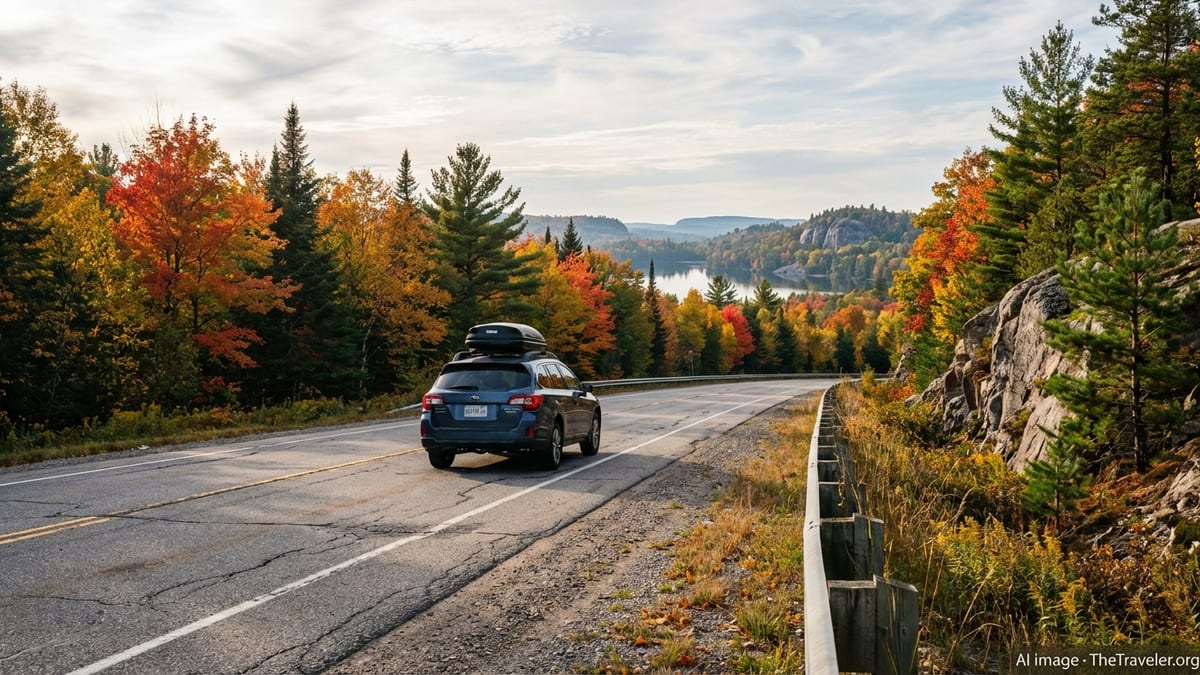
Autumn is one of Ontario’s most beautiful travel periods, with changing foliage and cooler, comfortable temperatures. Provincial and national parks in central and northern regions become especially popular for weekend trips in late September and early October. While snow is less of a concern, nights can be cold, particularly in the north and near water, and sudden temperature drops are common. Visitors should pack layers and be prepared for crisp mornings even if daytime forecasts look mild. Fall can be an ideal compromise between the vibrancy of summer and the intensity of winter, provided you still leave space for weather-related changes.
Driving Distances, Road Conditions, and Safety
In Ontario, official guidance emphasizes that winter driving is not easy and can carry significant risk, especially when snow, freezing rain, and strong winds coincide. Travellers who plan to drive outside of the summer season should become familiar with road condition resources and weather alerts before they set out. Checking road reports and weather forecasts for your exact route, rather than just your starting city, is a simple but important step, especially in areas like the Lake Superior shore, where conditions can change in a short distance.
Provincial information services highlight the importance of preparing both vehicle and passengers for winter and shoulder-season conditions. Recommendations commonly include using winter tires in cold, snowy, or icy conditions for better traction than all-season tires, keeping the fuel tank at least half full, and carrying a basic emergency kit with warm clothing, water, and non-perishable food. Travellers in rental cars should confirm in advance what tires are provided and whether a roadside assistance plan is included, particularly if they intend to drive north of the main urban corridor.
The sheer length of routes in Ontario also demands realistic planning for fatigue. Highway stretches between cities in Northern Ontario are long and lightly populated, and services can be widely spaced. It is sensible to top up fuel more often than you might at home and to avoid driving late into the night on rural or forested stretches where wildlife can be on the road. Drivers should also assume that travel times in winter or during heavy summer traffic will exceed the estimates given by navigation apps.
For visitors unfamiliar with snow or ice, consider whether long winter road trips are truly necessary. In many cases, it may be safer and more enjoyable to base yourself in a well-serviced town or city with accessible winter activities and rely on short, carefully planned day trips. If you do travel long distances in winter, let someone know your route and expected arrival time and keep your mobile devices charged, following federal guidance that emphasizes planning and communication as part of safe winter travel.
Planning City Itineraries Across the Province
Ontario’s cities each have distinct characters and seasons of best fit. Toronto, the largest city, is truly a year-round destination, though winter visits require warm clothing and good footwear for slush and ice. Spring and fall deliver comfortable temperatures and fewer crowds, while summer offers festivals and lakefront activity but sometimes heavy humidity. Visitors often underestimate how much time to allocate to Toronto; even a focused city break can easily fill three to four days with museums, neighbourhood exploring, and waterfront time before adding any day trips.
Ottawa, the national capital, has a more continental climate, with cold winters that make it an iconic destination for skating and winter festivals when conditions allow. Summer brings warm weather and plenty of outdoor events along its rivers and canals. Travellers combining Toronto and Ottawa should allow at least one full travel day for the journey between them by car, bus, or train, and ideally stay several nights in each rather than rushing through both in a single weekend.
Other Southern Ontario cities such as Hamilton, London, Kingston, and Niagara Falls can be comfortably integrated into a loop with Toronto if you plan around driving times and seasonal highlights. Niagara Falls is especially busy in summer and on long weekends, so building in off-peak visits early in the morning or later in the evening helps avoid congestion. In winter, services and attractions may run on reduced schedules, and sidewalks and viewing areas can be slippery, so appropriate footwear and a flexible timeline are important.
Because many visitors combine urban stays with cottage country or park visits, it is wise to decide which city will serve as your main gateway. International travellers often arrive in Toronto, while those coming from eastern Canada or New England may find Ottawa or Kingston convenient starting points. Choosing one primary base reduces time lost in repeated packing and unpacking and allows you to explore surrounding regions in thoughtful, well-planned day or overnight trips.
Making the Most of Ontario’s Parks and Nature
Ontario’s parks are among its biggest draws, and they require early, deliberate planning, particularly in peak seasons. Official park authorities allow visitors to reserve campsites and roofed accommodations several months in advance, and they report that a large share of bookings for busy parks is taken up in the first quarter of the year. Recent guidance notes that reservations can generally be made up to five months before the arrival date, and that competition can be fierce for the most popular parks and summer weekends.
Travel editors and park agencies alike emphasize booking early, especially if you want specific site features such as electrical service, water views, or sites that accommodate large trailers. Tools that show available sites over an entire month, instead of specific dates, help flexible travellers identify less busy periods, and park blogs encourage campers to consider midweek stays or shoulder seasons for better availability. In many cases, the same cabins and premium campsites that are booked solid in July and August sit empty for much of the spring and fall.
Another consistent message from Ontario park authorities is the advantage of going farther north. Travellers willing to drive a few extra hours often find quieter campgrounds, more secluded waterfront sites, and a greater sense of wilderness. Some park blogs explicitly recommend looking beyond the handful of most famous parks to lesser-known northern destinations, noting that the extra drive time can be rewarded with more space and easier reservations.
Visitors should also be aware of park etiquette and rules, which focus on protecting natural areas and ensuring that everyone has a quality experience. This typically includes displaying permits, checking in at gatehouses, respecting wildlife by not feeding animals or disturbing plants, and packing out garbage where bins are not available. Many parks offer radio-free or low-noise campground loops for those seeking quieter stays, but these fill quickly in high season, which again underscores the need to book well ahead and to read the details of each campground before you confirm.
Building Realistic Itineraries by Season
Smart Ontario itineraries start by deciding what you most want to experience, then aligning that wish list with appropriate seasons and realistic distances. For example, if your priority is camping, paddling, and swimming, aim for late June through early September and focus on one park-dense region rather than zigzagging across the province. You might pair a few nights in a gateway town with several nights in a nearby provincial or national park, allowing for one dedicated driving day in between. In peak season, it can help to travel on weekdays rather than weekends, when highway traffic and campsite turnover are heaviest.
If autumn colour is your main goal, look at late September to mid-October, and stay flexible about exact timing, as peak foliage can vary slightly by latitude and annual weather pattern. A good approach is to book accommodation in advance in a region known for fall scenery, then use short, spontaneous drives or hikes to explore local viewpoints once you arrive. Since nights can be cold even when days are sunny, build in warming indoor stops in nearby towns and pack clothing that can handle a wide temperature range.
Winter-focused trips need even more margin. Whether you are visiting for skating in the capital, snowshoeing and skiing in park regions, or simply to experience a Canadian winter, leave buffers around long drives so that you can delay a travel day if a major storm or freezing rain event is forecast. Authorities at both provincial and federal levels advise travellers to check weather and road conditions frequently, avoid unnecessary trips in severe weather, and carry winter supplies in the vehicle. For visitors new to winter, partnering with local guides or tour operators can provide safer access to activities like backcountry snowshoeing or ice caves.
Spring visits are ideal for those who prefer quieter parks and do not mind variable weather. Roads can be wet and muddy, some trails may remain soft, and blackflies and mosquitoes can be present as temperatures rise, especially near forests and wetlands. However, accommodation is often more available and affordable, and many small communities host maple syrup and spring festivals. For a balanced spring itinerary, combine indoor cultural attractions in cities with day trips into nearby rural or park areas, and be prepared to swap hiking days if rain or late snow showers arrive.
Accommodation, Reservations, and Practical Logistics
Ontario offers a wide spectrum of accommodation, from downtown hotels and roadside motels to lakeside resorts, rental cottages, and simple campsites. Because peak periods vary by region, it is important to research seasonal patterns rather than assuming year-round availability. In popular lake districts and around well-known parks, summer weekends and long weekends are typically fully booked months in advance. Park agencies note that many of the most sought-after sites are secured quickly when reservation windows open, and that longer stays of up to several weeks can lock in prime spots before casual visitors even log on.
Official reservation systems often allow both online and call centre bookings, with modest fees for each. Recent fee schedules published for provincial parks illustrate how booking, change, and cancellation fees can differ between telephone and online channels, which may influence how you manage your plans. While the absolute amounts are small in most cases, they can add up for complex itineraries with multiple campgrounds, so it pays to organize your dates and preferences before you start clicking. Keeping a simple spreadsheet or written list of confirmation numbers and cancellation deadlines is a useful habit for multi-stop trips.
In winter and shoulder seasons, accommodation strategies shift slightly. Some smaller resorts and campgrounds close, while others offer discounted rates and quieter experiences. Cabin, yurt, and roofed accommodations within park systems are particularly popular in colder months, so early booking remains important even when overall visitor numbers are lower. Road trip specialists also advise booking pet-friendly rooms and winter-capable lodgings well ahead of holidays, as options can be limited and quickly claimed.
Regardless of season, always verify what is included with your stay. In rural and northern areas, mobile signal can be weak, and not all properties offer strong connectivity or contactless check-in. Ask about parking, heating or air conditioning, kitchen facilities, and whether linens are provided, especially for rustic cabins or backcountry lodgings. Knowing these details in advance helps you pack appropriately and reduces last-minute stress when you arrive late after a long drive.
The Takeaway
Travelling in Ontario is rewarding precisely because it is not a quick, one-size-fits-all destination. The province’s size, diverse climates, and mixture of dense cities and remote landscapes call for thoughtful planning. Visitors who take the time to understand seasonal patterns, respect driving distances, and work within reservation systems tend to enjoy smoother, safer, and more memorable trips, whether they are staying in a downtown hotel or a lakeside campsite.
The most practical approach is to choose your season, focus on one or two regions, and then build a flexible itinerary that leaves space for weather and discovery. By aligning expectations with reality, you can turn long drives into scenic journeys, possible delays into relaxed pauses, and a complex map into a series of well-chosen experiences that capture the best of Ontario.
FAQ
Q1. How many days do I need to see Ontario properly?
There is no single answer, but for a first trip combining one major city and a nearby park region, plan at least seven to ten days so that travel days do not overwhelm your time on the ground.
Q2. Is it safe to drive in Ontario in winter as a visitor?
It can be safe with preparation, but winter driving here involves snow, ice, and low visibility. If you are inexperienced, keep trips short, use winter tires, monitor weather and road reports, and consider basing yourself in one region instead of attempting long cross-province drives.
Q3. When should I book campsites in Ontario parks?
For popular parks and summer weekends, be ready to book as soon as reservation windows open, which is typically about five months before your arrival date. Shoulder seasons and midweek stays may offer more flexibility but still benefit from advance planning.
Q4. Do I need a car to travel around Ontario?
You can travel between major cities by train or bus, but reaching many parks, small towns, and remote areas normally requires a car. For itineraries focused on nature or cottage country, renting a vehicle is often the most practical option.
Q5. How different is the weather between southern and northern Ontario?
Southern Ontario tends to be milder, especially near the Great Lakes, while Northern Ontario experiences colder, longer winters and cooler summers. Conditions can change quickly along large lakes and at higher latitudes, so it is wise to check localized forecasts rather than relying on a single city’s weather.
Q6. What is a realistic daily driving limit for an Ontario road trip?
For most travellers, planning four to five hours of actual driving per day is comfortable. Longer stretches are possible, but on unfamiliar roads and in variable weather it is safer and more enjoyable to build in generous breaks and treat very long drives as dedicated travel days.
Q7. Are there quiet areas in Ontario parks if I want a peaceful stay?
Yes. Many parks offer campground loops with quieter or radio-free policies, and northern parks often have fewer crowds overall. These areas are popular, so reserve early and read campground descriptions carefully before booking.
Q8. What should I pack for a multi-season Ontario trip?
Pack layers, including a warm jacket, hat, and gloves even in shoulder seasons, along with sturdy footwear for wet or uneven ground. Include rain protection, sun protection, and any personal medications, since services can be spaced out on long routes.
Q9. How do I handle long stretches without services in Northern Ontario?
Fill your fuel tank regularly, carry water and snacks, and do not rely on last-minute stops, as towns can be far apart. Download offline maps, keep a phone charger in the car, and let someone know your route and expected arrival time.
Q10. Is spring a good time to visit Ontario’s parks?
Spring can be excellent for quiet trails and lower prices, but expect cool nights, muddy paths, and varying insect levels as temperatures rise. Plan flexible activities, bring waterproof footwear, and check park opening dates and facility schedules in advance.