

Colorado’s dramatic mountains and fast-growing cities make it an unforgettable place to visit, but they also create a patchwork of public transportation options that can be confusing for first-time travelers. While this is still a car-oriented state, visitors who plan ahead can rely on a mix of trains, buses, shuttles, and ride services to move between airports, downtown districts, and even some major mountain resorts.
Understanding the Big Picture: How Transit Works in Colorado
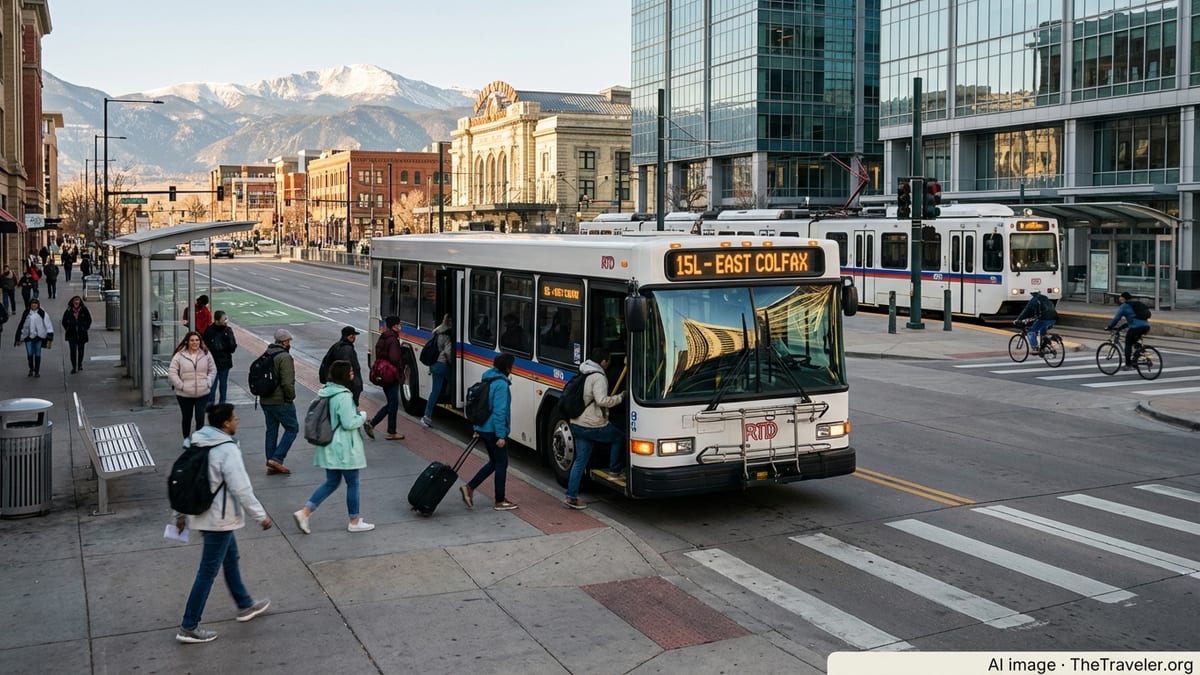
Colorado’s public transportation is highly regional. Instead of a single statewide system, visitors will find separate agencies serving Denver and the Front Range, Colorado Springs, resort towns like Aspen and Vail, and a growing network of state-supported buses that link them together. For most travelers, the Denver metropolitan area, served by the Regional Transportation District, will be the main hub, with onward connections by bus or shuttle to the mountains and other cities.
Unlike many dense East Coast cities, Colorado’s communities are more spread out, and service coverage can thin out quickly once you leave downtown cores. Trains and frequent bus lines work well for airport transfers, central sightseeing, and major corridors, but many trailheads, ski condos, and rural attractions are still easiest to reach by car. Visitors who hope to rely mostly on transit should choose lodging close to key rail and bus lines and be prepared to combine public transport with walking, rideshare, or hotel shuttles.
Seasonality also matters. Summer often brings extra shuttles in mountain towns and zero-fare promotions on some systems to reduce pollution, while winter brings dedicated ski buses and stricter traction laws on mountain highways. Schedules can change between winter, summer, and shoulder seasons, so checking route maps and timetables shortly before you travel is essential, especially if you have tight connections or evening flights.
Because of this patchwork, the most successful transit experiences in Colorado tend to be point-to-point and purpose-built: using the train to get from Denver International Airport to downtown, catching a state bus to a resort town, or hopping on free local shuttles once you are parked and settled. Thinking in terms of linked segments, rather than expecting a metro-style network from day one, will help set reasonable expectations.
Denver and the Front Range: Trains, Buses, and Airport Links
The Denver metropolitan area has the most extensive public transportation network in Colorado, anchored by the Regional Transportation District. The system combines commuter-style rail lines, a small light rail network, and a web of local and regional buses that reach into many suburbs. Visitors will find the rail lines especially useful, as they offer a straightforward way to move between downtown Denver, the airport, and nearby cities without navigating unfamiliar highways or paying for long rideshare trips.
Denver International Airport is linked to downtown by a frequent electric commuter train commonly known as the airport line. Trains generally run every 15 to 30 minutes for most of the day and arrive at Denver Union Station, a restored historic terminal that now serves as a multimodal hub. From Union Station, travelers can transfer to light rail, regional buses toward Boulder, Longmont, and Golden, or walk and roll into the surrounding LoDo neighborhood, which is compact and walkable by Colorado standards.
Elsewhere in the metro area, light rail and bus rapid transit-style lines connect popular visitor zones including downtown Denver, the sports stadium district, the Tech Center business corridor, and some suburbs. However, frequencies can drop in the evenings and on weekends, and rail coverage is still limited compared to large coastal cities. Many neighborhoods rely on standard bus routes that may run every 15 to 30 minutes at peak and less often at other times, so checking schedules before heading out late at night is wise.
North along the Front Range corridor, regional buses link Denver with Boulder, Longmont, and other communities. Boulder in particular is notably transit-friendly, with frequent buses on the main spine between Boulder and Denver and a walkable downtown core. Even so, visitors should be aware that routes serving office parks or outlying suburbs cater to commuters and may have limited evening or weekend service. When planning side trips anywhere along the Front Range, look not only at the existence of a route but also at its timetable.
Colorado Springs and Other Key Cities
Colorado Springs, the state’s second-largest city, is served by Mountain Metropolitan Transit. The system focuses on bus routes that radiate from downtown and run through major corridors, shopping areas, and residential neighborhoods. Operating hours cover most of the day, but frequencies are more modest than in Denver, especially on evenings and Sundays, so visitors should build in extra time and confirm that a return trip is available before heading far from their hotel.
Mountain Metro has been gradually adjusting and expanding its routes in recent years, including schedule changes and added stops on key lines. The agency has also promoted free summer rides under statewide zero-fare grant programs, which means that at certain times of year, both residents and visitors can ride without paying a regular fare. These promotions are typically limited to the summer ozone season and may not be in effect year-round, so it is important to verify current fare policies close to your travel dates.
Within central Colorado Springs, transit can be an effective way to visit downtown attractions, the U.S. Olympic & Paralympic Museum, and commercial corridors without a car. The city also supports a free downtown circulator shuttle known locally as the Zeb, which helps riders move between major downtown stops and nearby cultural sites. For areas outside the core, such as the Garden of the Gods or the base of Pikes Peak, traditional bus coverage is more limited, and many visitors will find that a car, rideshare, or specialized tour works better.
Other Colorado cities have their own bus networks tailored to local needs. Fort Collins and Greeley offer local bus services and, in Fort Collins, a historic-style trolley that operates seasonally. Pueblo runs a smaller bus network that primarily serves local riders. For visitors, these systems can be useful for short hops around town, but they are not designed for intercity travel. To move between cities without driving, state-run and private intercity buses are generally more relevant.
Statewide and Intercity Options: Bustang, Snowstang, and Beyond
To tie together its dispersed cities and mountain towns, Colorado supports a growing network of intercity coaches branded under names such as Bustang and Snowstang. Operated under the umbrella of the Colorado Department of Transportation, these buses are designed to give travelers an alternative to driving on busy highways like Interstate 25 and Interstate 70, particularly during peak weekend and holiday periods. For visitors, they can provide a comfortable and relatively affordable way to reach ski resorts, college towns, and regional hubs.
Bustang routes generally run along three main corridors: north-south along the Front Range between Fort Collins, Denver, Colorado Springs, and Pueblo, westward along the I-70 mountain corridor toward Glenwood Springs and Grand Junction, and southward toward communities in the Arkansas River Valley. These coaches typically offer reserved seating, luggage bays, air conditioning, restrooms, and onboard Wi-Fi. Although most riders are residents commuting or traveling for business, visitors can book seats to connect between cities or as part of longer itineraries that do not involve driving.
In winter, Colorado operates seasonal Snowstang services that specifically target popular ski destinations reachable from the I-70 corridor. These express buses run on weekends and certain holidays between Denver Union Station and resorts such as Arapahoe Basin, Breckenridge, Copper Mountain, and Loveland. They are designed for day trips, with early morning departures from Denver and afternoon returns, and they allow riders to avoid winter mountain driving, parking fees, and congestion near resort base areas. Tickets are sold in advance, and seats on peak powder days can sell out quickly.
Beyond these state-backed services, several private coach and shuttle companies run routes from Denver and Colorado Springs to resort communities, national parks, and airports. Offerings change frequently, especially in smaller markets, and many require advance reservations. Travelers should confirm departure points, baggage rules, and seasonal schedules directly with providers. When using any intercity bus in Colorado, it is also wise to plan for mountain weather disruptions, as heavy snow, rockfall, or traffic incidents on I-70 and other mountain passes can delay or reroute coaches with little warning.
Mountain Towns and Ski Country: Shuttles, Free Buses, and Seasonal Service
Once you arrive in many of Colorado’s mountain communities, the local transit picture often improves dramatically. Resort towns such as Aspen, Vail, Breckenridge, and Steamboat Springs have invested in local bus networks and shuttles that make it easier to get around without a car. These services typically focus on moving people between lodging clusters, ski lifts, downtown shopping areas, and park-and-ride lots, and many operate without charging a separate fare within the town limits.
Aspen and the Roaring Fork Valley, for example, rely on a regional transit authority that runs frequent buses linking Aspen with nearby towns like Snowmass Village, Basalt, and Glenwood Springs. Vail and Breckenridge operate their own in-town bus systems, often with color-coded lines and clearly marked stops near major hotels, base areas, and parking structures. During peak winter and summer seasons, these buses may run every few minutes on core routes, though late-night frequencies can taper off significantly.
In addition to local routes, many resorts and mountain communities provide specialized shuttles for skiers and hikers, either through the municipality or via private operators. These might include hotel shuttles to lifts, ski-area buses from satellite parking, or summer trailhead shuttles designed to reduce congestion in high-use recreation areas. Services like these are highly seasonal and tailored to local conditions, so visitors should ask their lodging provider for current details instead of assuming that a winter route will still run in shoulder season.
Despite these strengths, mountain transit has limitations. Coverage can drop off sharply outside primary resort zones, and some neighborhoods, vacation rentals, and outlying attractions may not be within reasonable walking distance of a stop. Winter storms can disrupt operations, and steep, icy side streets may be temporarily bypassed until conditions improve. Travelers heading to the mountains without a car should be ready for occasional delays and build some flexibility into their plans, especially when catching last buses of the evening.
Tickets, Fares, and Payment: How Visitors Actually Ride
Fares and payment options in Colorado vary by agency, so there is no single pass that covers every bus and train. In Denver, the regional system uses a zone-based structure for many rail and regional bus trips, with local fares for shorter journeys and higher prices for longer or airport trips. Riders can usually pay at ticket machines in rail stations, on mobile ticketing apps, or with contactless options where available. Local buses often accept cash, but exact change is typically required and change is not given.
In Colorado Springs, Mountain Metro has offered both standard paid fares and periods of free rides under zero-fare grant programs, particularly during summer months. The agency has also introduced a reloadable fare card and a mobile app designed to make boarding simpler. Other cities and mountain towns use their own mix of fareboxes, tickets, and passes. Some resort-area buses are entirely fare-free within defined zones, reflecting a policy choice to encourage transit use and reduce parking demand during busy tourist seasons.
Statewide coach services such as Bustang and Snowstang follow a more intercity-style ticketing model. Travelers typically purchase seats in advance online or through mobile platforms, with printed or digital tickets scanned when boarding. Fares are generally lower than comparable flights or rental cars on the same corridor, but they can be higher than local transit prices, reflecting longer distances and coach-style amenities. When comparing options, visitors should factor in luggage fees, parking costs at departure points, and the value of avoiding winter mountain driving.
Because fare policies and promotions shift regularly, especially when state grants or pilot programs are involved, visitors should avoid relying on outdated figures. Instead, it is best to check agency websites or apps shortly before riding and to confirm whether any seasonal discounts or free-ride programs are in effect. Budget-conscious travelers may wish to structure more of their transit use during promotional periods, such as summer zero-fare months in Colorado Springs or free local shuttles in ski towns.
Weather, Safety, and Winter Driving Rules Visitors Should Know
Colorado’s high-altitude climate and complex terrain make weather one of the most important considerations for any visitor using public transportation. Snowstorms, heavy rain, high winds, and rapid temperature swings can alter bus and train operations, especially in the mountains. While transit agencies and the state transportation department work to keep services running, they must sometimes reduce frequency, reroute vehicles, or temporarily suspend operations on certain corridors until conditions improve.
Along the critical I-70 mountain corridor west of Denver, the state has strengthened its traction and chain laws over the past several years to reduce crashes and long closures during storms. During the core winter season, most passenger vehicles traveling this stretch must either use approved winter tires with adequate tread or carry and use tire chains or alternative traction devices when conditions require it. Enforcement efforts have increased, and out-of-state drivers who arrive unprepared are frequently cited or delayed when chain laws are activated.
For visitors who prefer not to drive in winter conditions, using public or private coaches such as Bustang, Snowstang, and resort-operated buses can be a safer and less stressful alternative. Professional drivers are trained for mountain conditions, and fleets are equipped for snow and ice in ways most rental cars are not. Even so, severe weather can still slow or halt these services, so travelers should allow extra time when catching flights after mountain trips, avoid very tight same-day connections, and monitor announcements from transportation agencies.
Within cities like Denver and Colorado Springs, snow and ice can also disrupt schedules, especially on side streets and hilly neighborhoods. Agencies typically prioritize main corridors for early service restoration, but some low-ridership routes may run with delays or temporary detours. Visitors unaccustomed to winter conditions should wear warm, layered clothing, waterproof footwear with good traction, and carry a small buffer of snacks, water, and phone battery power in case of unexpected waits at outdoor stops.
The Takeaway
Public transportation in Colorado offers visitors a practical and often enjoyable alternative to driving, especially in downtown Denver, along major Front Range corridors, and within many mountain resort towns. However, it remains a patchwork of local systems and state-supported routes rather than a single integrated network. Travelers who approach it with a flexible, segment-by-segment mindset will have a smoother experience than those expecting seamless citywide coverage.
For most itineraries, combining the Denver airport train, regional buses or state coaches, and local shuttles can significantly reduce or even eliminate the need to rent a car, particularly for trips focused on cities and established resorts. In Colorado Springs and smaller cities, buses can complement driving or rideshare, providing affordable options for downtown trips and summer sightseeing. In the mountains, free in-town shuttles and ski buses make it possible to park once and rely on transit for the rest of your stay.
Because schedules, fares, and special programs change regularly, and because weather has an outsized impact on transportation in this high-altitude state, careful planning and real-time checks are essential. Travelers who build in extra time for winter journeys, verify current routes and fares, and choose lodging near major transit corridors will be best positioned to enjoy Colorado’s scenery and culture without spending most of their trip behind the wheel. With thoughtful preparation, the state’s evolving public transportation network can be an asset rather than an obstacle on your Colorado adventure.
FAQ
Q1. Can I visit Colorado without renting a car if I rely on public transportation?
Yes, it is possible, especially if you focus on Denver, Boulder, Colorado Springs, and major resort towns with good shuttle networks, but you will need to plan carefully around transit routes and schedules.
Q2. How do I get from Denver International Airport to downtown Denver using public transport?
You can take the frequent commuter train from the airport terminal to Denver Union Station, then transfer to light rail, buses, or walk into downtown from there.
Q3. Is there public transit between Denver and Colorado Springs?
Yes, state-supported intercity coaches operate along the Front Range between cities such as Denver, Colorado Springs, Fort Collins, and Pueblo, and some private operators run additional bus services.
Q4. Are there free buses in Colorado’s ski towns?
Many resort communities, including popular ski areas, operate fare-free in-town buses or shuttles that connect lodging areas, base lifts, and downtown districts, especially in peak seasons.
Q5. How reliable is public transportation during Colorado snowstorms?
Transit agencies strive to maintain service, but heavy snow and ice can cause delays, detours, or temporary suspensions, particularly on mountain passes and steep urban streets.
Q6. Do I need to worry about Colorado’s traction and chain laws as a visitor?
If you plan to drive in the mountains during winter, you must comply with traction and chain requirements on key routes such as parts of Interstate 70, or you risk fines and possible delays.
Q7. Can I use one transit card or pass across the entire state?
No, Colorado does not have a single statewide transit pass; each major agency has its own fares, tickets, and payment systems, including separate cards and mobile apps.
Q8. Are airport shuttles available from Denver to ski resorts?
Yes, a mix of state-operated and private shuttle and coach services connect Denver with major ski resorts, particularly along the I-70 corridor, though advance reservations are often required.
Q9. Is public transportation in Colorado accessible for travelers with disabilities?
Most major systems, including Denver’s rail and bus networks and city bus services like Mountain Metro, provide wheelchair-accessible vehicles and paratransit services, though advance arrangements may be needed for specialized trips.
Q10. How far in advance should I check schedules and buy tickets for Colorado transit?
For local city buses and trains, checking a day or two ahead is usually enough, while intercity and ski coaches are best booked several days or more in advance during busy seasons.