

More news on this day
Middle East conflict and renewed disruption around key oil and shipping chokepoints are sending jet fuel prices sharply higher, prompting Qantas and Air New Zealand to lift ticket prices and forcing a wider rethink of costs and travel demand across the Asia Pacific aviation market.
Get the latest news straight to your inbox!
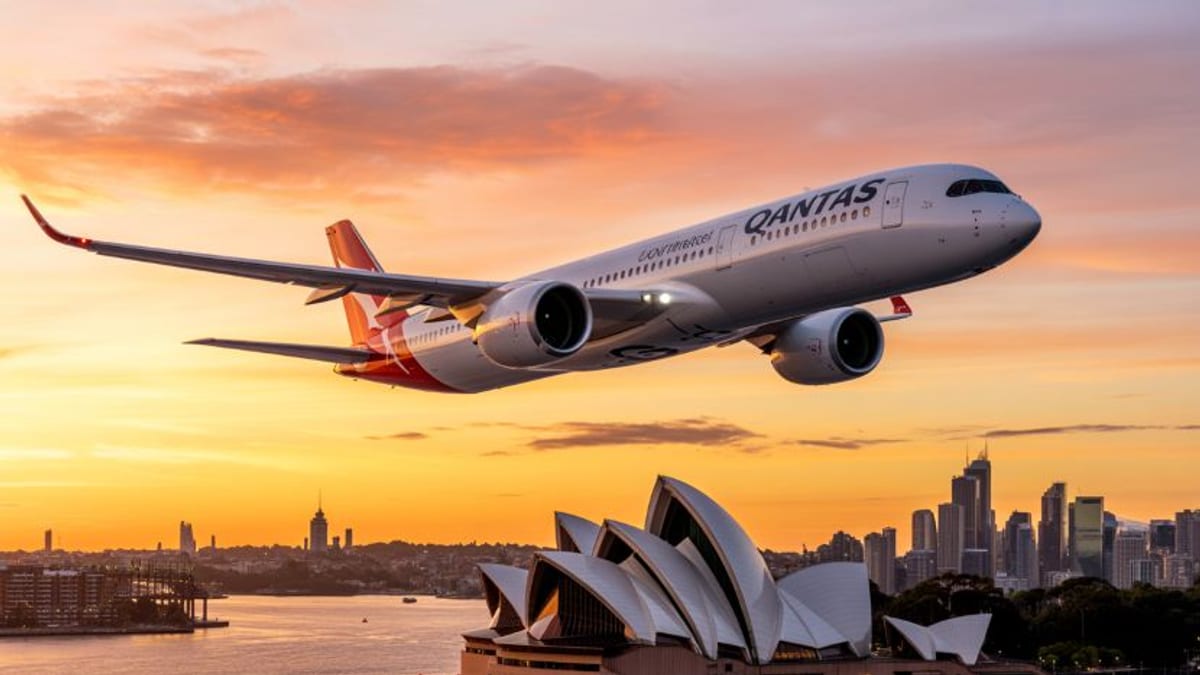
Image by Latest International / Global Travel News, Breaking World Travel News
Middle East tensions push jet fuel to fresh extremes
The latest escalation in the Iran conflict, including attacks on energy infrastructure and shipping lanes near the Strait of Hormuz, has tightened global oil supplies and pushed refined products higher. Industry data and specialist energy coverage indicate that jet fuel benchmarks have climbed toward or even beyond 200 dollars a barrel in late March, with refining margins and so called jet cracks widening to record levels as traders scramble for alternative supply routes.
These costs matter acutely for airlines because fuel typically represents around a quarter to a third of operating expenses in normal times. When prices jump as quickly as they have since late February, carriers that buy most of their fuel on the open market see the impact almost immediately in their cash flow, while even heavily hedged airlines face pressure once existing contracts roll off.
Analysts focusing on Asia warn that the region is particularly exposed. A large share of jet fuel exports and crude shipments normally moves through the Middle East, and rerouting cargoes around risk zones adds time and cost. Aviation hubs such as Singapore and key importers including Australia and New Zealand are now paying sharply higher prices for each tonne of fuel delivered, a shift that is rapidly feeding into airline pricing decisions.
While some energy forecasters suggest prices could ease if hostilities stabilize, the near term outlook remains volatile, with governments and companies planning for continued disruption to both crude and refined product flows.
Qantas edges fares higher as cost pressure mounts
Qantas has begun nudging ticket prices higher across parts of its domestic and international network as fuel bills swell. Publicly available fare data and traveller reports from late March point to noticeable increases on popular long haul routes, particularly services linking Australia to Europe and North America, where aircraft burn more fuel and have fewer opportunities for operational workarounds.
The airline has not announced a uniform fuel surcharge for all tickets, but the pattern of higher base fares and tighter discount availability reflects a strategy of quietly recouping at least part of the fuel shock from passengers. Commentary on frequent flyer forums and consumer sites notes that some itineraries that were available only weeks ago at one price point are now hundreds of Australian dollars higher, even outside traditional peak holiday periods.
Qantas already operates in a high cost domestic environment, and the airline’s financial disclosures in recent years have emphasized its ongoing exposure to fuel and currency swings. The current spike arrives just as the carrier is rebuilding international capacity and refreshing its long haul fleet, leaving limited appetite to sacrifice margins by absorbing fuel costs entirely.
Travel industry observers say Qantas is likely to keep adjusting fares dynamically in coming months, using revenue management tools to balance higher yields against any softening in demand if household budgets come under strain from broader energy and cost of living increases.
Air New Zealand raises prices and cuts capacity
Across the Tasman, Air New Zealand is responding even more visibly to the fuel shock. According to recent local media coverage and investor updates, the airline has raised ticket prices on multiple routes while also announcing a wave of flight cancellations affecting tens of thousands of passengers through late April and early May.
The carrier has warned that surging jet fuel prices, combined with a weaker New Zealand dollar, are straining its finances to the point that earlier profit guidance for the 2026 financial year is no longer reliable. Suspending that guidance, while simultaneously trimming capacity, underscores the severity of the cost squeeze for a relatively small national airline heavily dependent on long haul flying.
Domestic and trans Tasman travellers are already seeing the impact. Fewer seats on key corridors such as Auckland to Sydney and Auckland to Brisbane reduce competition and contribute to higher average fares, even before individual surcharges are factored in. For New Zealand residents, particularly those in smaller centres that rely on connecting flights, the combination of cancellations and higher prices is making regional and international trips more expensive and less convenient.
The situation also highlights New Zealand’s structural fuel vulnerability. The closure of the country’s only refinery in 2022 means all aviation fuel is now imported, leaving airlines fully exposed to international price swings and shipping disruptions.
Asia Pacific carriers pass on costs as demand remains resilient
Qantas and Air New Zealand are not alone in moving to protect margins. From North Asia to Southeast Asia, a growing list of airlines has introduced explicit fuel surcharges or quietly increased base fares in March as jet fuel benchmarks jumped. Regional reporting shows that carriers in markets such as South Korea, the Philippines and Greece have announced or implemented fare hikes linked directly to higher fuel costs.
Industry bodies tracking Asia Pacific performance had expected 2026 to be another year of robust recovery following the pandemic, with passenger traffic returning to or exceeding pre crisis levels on many routes. The fuel shock is now testing that optimism, but early indications suggest travellers are still willing to fly, absorbing higher prices for essential trips and long planned holidays.
Corporate travel managers and meetings planners report similar patterns. Many are keeping scheduled events and incentive trips on the calendar but are revisiting budgets, shifting some demand to regional rather than intercontinental destinations, or trading down from premium cabins to economy to manage higher airfares.
If energy prices remain elevated, analysts expect more Asia Pacific airlines to follow Qantas and Air New Zealand in reworking capacity plans, deferring some route expansions and leaning harder on ancillary revenue such as seat selection and baggage fees to offset fuel costs without pushing base fares so high that demand falters.
What higher fares mean for travelers in the months ahead
For leisure travelers across the Asia Pacific region, the most immediate effect of the jet fuel surge is higher advertised fares and fewer ultra low promotional deals. Routes that require long ocean crossings, including flights between Australasia and Europe or North America, are likely to see the steepest increases, while short domestic hops may adjust more gradually.
Some passengers are responding by bringing forward bookings in the hope of locking in prices before further rises, while others are delaying discretionary trips in case the conflict eases and fuel markets calm. Travel agents and online booking platforms report increased interest in price tracking tools and flexible tickets as customers try to manage uncertainty around both fares and schedules.
In the corporate sector, policies are being reviewed to account for higher ticket prices. Companies with large travel budgets are renegotiating volume deals with preferred carriers and, in some cases, tightening approval processes for non essential long haul journeys. However, many businesses still view in person meetings as critical, suggesting that demand for key routes will remain relatively robust even if prices edge higher.
The trajectory of airfares through the remainder of 2026 will hinge on developments far from airport terminals, in the politics and security calculus of the Middle East. If tensions ease and shipping lanes normalize, fuel prices could retreat, relieving some of the pressure currently driving Qantas, Air New Zealand and their regional peers to raise prices. For now, however, travelers should be prepared for a period in which Asia Pacific skies remain busy, but flying costs more than it did just a few months ago.