

More news on this day
A cascade of airspace closures from the Gulf to the eastern Mediterranean is redrawing global flight paths, as the United Arab Emirates joins Qatar, Saudi Arabia, Jordan, Turkey, Kuwait, Bahrain, Cyprus, the United States, Israel and others in a fast-moving regional crisis that is forcing Qantas to accelerate and reroute Europe flights in the name of passenger safety.
Get the latest news straight to your inbox!
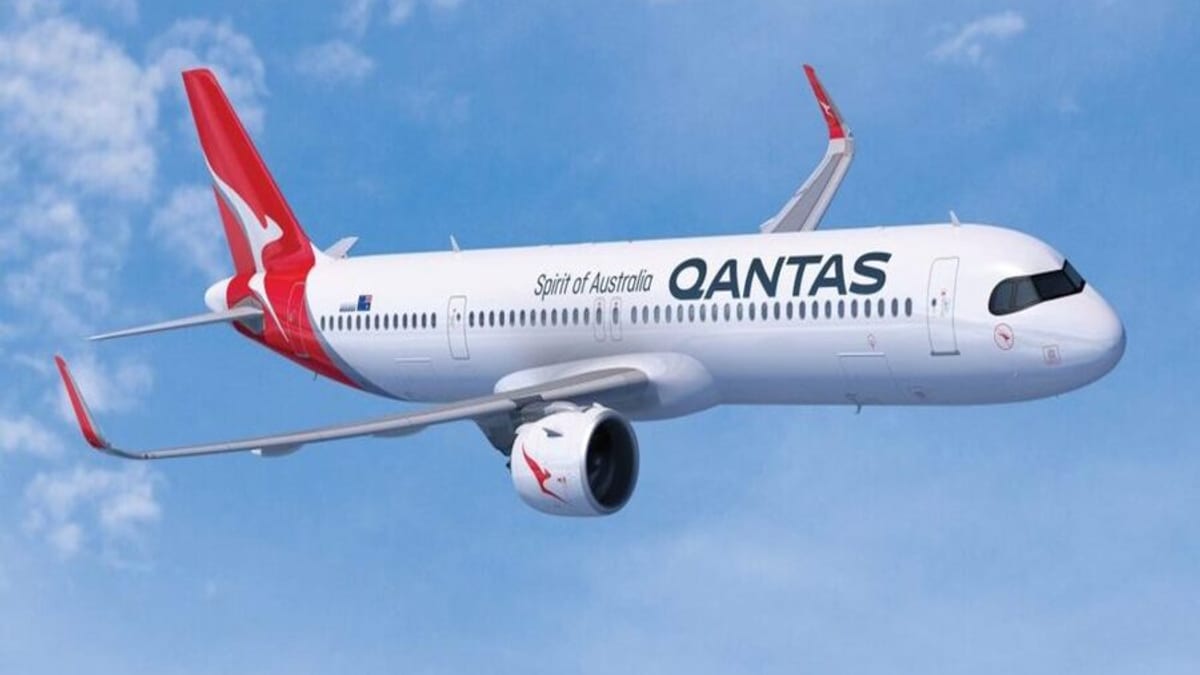
Image by Latest International / Global Travel News, Breaking World Travel News
Regionwide Airspace Restrictions Redraw the Skies
Publicly available aviation data shows that since late February 2026, airspace across much of the Middle East has been intermittently restricted or closed, following a sharp escalation in the conflict involving Iran, the United States and Israel. Airspace shutdowns and partial closures have been reported over Iran, Iraq, Israel, Qatar, Bahrain, Kuwait and the United Arab Emirates, with knock-on effects across neighboring corridors that connect Europe, Africa and Asia.
Reports from flight-tracking platforms indicate that key hubs in Dubai, Abu Dhabi and Doha experienced widespread suspensions at the height of the disruption, temporarily halting some of the world’s busiest connecting flows between Europe and Australasia. Additional constraints over Jordan, Saudi Arabia, Turkey, Cyprus and surrounding flight information regions have further compressed available routes, forcing carriers to bunch into narrower, approved corridors or divert far to the south.
The United States and European regulators have issued conflict zone advisories covering multiple portions of Middle Eastern airspace, limiting where commercial airlines are permitted to operate. This network of advisories and national closures has effectively carved a large no-go zone through the heart of traditional Europe–Asia routing, compelling airlines to thread their aircraft around a patchwork of restrictions in real time.
Travel-industry bulletins describe the situation as one of the most severe shocks to global aviation since the pandemic, with thousands of flights cancelled or rerouted in the first week alone. For long-haul passengers, the immediate impact has been longer flight times, packed alternative services and a surge in demand for routings that avoid the affected hubs altogether.
Qantas Accelerates Europe Operations and Reroutes via Asia
Qantas has emerged as one of the most visible examples of how long-haul carriers are adapting to the crisis. According to published coverage and the airline’s own travel updates, the Australian flag carrier has temporarily suspended its nonstop Perth–London service, QF9 and QF10, and rerouted the flagship flight through Singapore to avoid closed or high-risk airspace in the Gulf.
The new pattern shifts what was once a single 17-hour ultra-long-haul into a two-sector journey, adding several hours of travel time and introducing a technical stop in Southeast Asia. Timetables indicate that the adjustment became operational in early March, with Qantas advising customers to check revised departure and arrival times and to allow extra connection buffers for onward European itineraries.
At the same time, publicly available statements from the airline show that Qantas is leaning more heavily on its existing Europe network out of Singapore and other Asian gateways. With many travelers now reluctant or unable to transit through Dubai, Doha or Abu Dhabi, nonstop and one-stop Qantas and partner flights that sidestep the Gulf are seeing elevated demand, particularly to London and key continental hubs.
Industry analysts note that these moves effectively accelerate Qantas’s Europe capacity along southern and central Asian corridors, consolidating passengers away from Gulf stopovers. While framed as a safety-driven response to temporary airspace restrictions, the strategy also positions the carrier to capture travelers who are actively searching for routings that keep them clear of the most volatile zones.
Safety First: Reroutes, Waivers and Longer Flight Times
Across the industry, carriers are emphasizing that route design is being driven by risk assessments and regulatory guidance. Public documentation from Qantas and other airlines specifies that flight paths are being adjusted in line with governmental notices and international safety advisories, even when that means significant detours and operational complexity.
For passengers, those safety-led decisions are translating into noticeably longer journeys between Europe and Australia. Detours that swing south over the Indian Ocean or track via Central Asia, the Caucasus or the Red Sea can add 60 to 180 minutes to typical flight times, depending on the specific routing and congestion levels along the remaining open airways.
Qantas has introduced flexible rebooking and refund options for customers holding tickets to, from or via affected points including the UAE, Qatar, Israel, Jordan and Bahrain on Qantas-issued itineraries. Travel advisories outline fee-free date changes within specific travel windows, the ability to convert bookings into flight credits and, in many cases, access to refunds for disrupted journeys, subject to fare rules and ticket-issue dates.
Travel-compensation specialists point out that in addition to airline policies, some passengers departing from the European Union or the United Kingdom may be protected by local air-passenger rights frameworks when flights are cancelled or heavily delayed. However, eligibility often depends on the exact route, carrier and cause of disruption, and travelers are being urged in public guidance to document their delays and review the fine print.
Gulf Tourism and Transit Hubs Under Pressure
The cascading closures are being felt acutely in Gulf economies that rely on aviation as a critical lifeline for tourism and trade. Analytical reports estimate that hubs in the UAE, Qatar, Saudi Arabia and Bahrain usually handle hundreds of thousands of connecting passengers per day, funnelling travelers between Europe, Asia, Africa and Australasia. With significant portions of that traffic now rerouted or paused, regional tourism bodies are bracing for substantial revenue losses.
Travel-economy briefings suggest that the conflict has already erased hundreds of millions of euros in visitor spending each day across the wider Middle East, once both lost arrivals and lower transit flows are taken into account. Hotels, tour operators and retail outlets that depend on Gulf stopover passengers are experiencing abrupt drops in bookings, particularly on itineraries that once paired city breaks in Dubai or Doha with longer European or Indian Ocean holidays.
Meanwhile, alternative hubs in Asia and Europe are absorbing a surge of passengers avoiding the Gulf. Airports in Singapore, Bangkok and key Western European cities are reporting higher long-haul transfer volumes, while airlines based there are seeing increased bookings on Europe–Australia and Europe–Asia pairings. That shift is reinforcing Qantas’s decision to lean into its Asian gateway strategy while the Gulf remains constrained.
For countries such as Cyprus, Jordan and Turkey, which sit at the edges of the restricted zones, the picture is more mixed. Some airports are handling diversions and relief flights, but those opportunities are tempered by their own security considerations and route limitations, creating a constantly shifting mosaic of options for airlines crafting safe paths between continents.
What Travelers Should Expect in the Coming Weeks
As of late March 2026, guidance from aviation regulators and travel-industry bodies indicates that disruption is likely to persist while regional tensions remain elevated. Even where limited flight operations have resumed, schedules are subject to short-notice changes as airspace advisories are updated and operators tweak routings to balance safety, fuel costs and available capacity.
Passengers planning itineraries that would normally cross the Middle East are being encouraged, in publicly available advisories, to build in generous connection times, monitor their bookings closely and consider flexible tickets where possible. Qantas and several other long-haul carriers continue to recommend that customers register contact details within their bookings so that last-minute schedule changes and reroutes can be communicated quickly.
Travel-insurance providers are also updating their guidance, with some policies covering additional accommodation and rebooking expenses only when specific conditions are met. Consumer groups suggest that travelers check whether their coverage treats the current events as a known disruption, which can affect eligibility for new policies purchased after key advisory dates.
For now, the combination of widespread airspace restrictions, evolving security assessments and strong demand for the remaining Europe–Australia corridors means that Qantas’s accelerated and rerouted Europe schedule is likely to define many long-haul journeys in the months ahead. While the operational landscape may shift as the crisis develops, passenger safety is expected to remain the central factor shaping how and where airlines fly above a volatile Middle East.