

More news on this day
Qatar Airways is extending Privilege Club elite status into 2026 and adjusting loyalty benefits as the airline navigates ongoing airspace restrictions and widespread flight disruptions across the Middle East, aiming to reassure frequent flyers in Qatar and key markets worldwide.
Get the latest news straight to your inbox!
Status Extensions Aimed at Stabilising Loyalty in a Volatile Year
Publicly available information indicates that Qatar Airways has introduced an automatic extension of Privilege Club tier status for members whose renewal falls within the current disruption window in 2026. The policy, reported by specialist loyalty media, is designed to avoid downgrades at a time when many travellers are unable or unwilling to fly their usual schedules due to security concerns and reduced flight capacity.
The extension is understood to cover at least several months of 2026 for affected members, providing additional time to earn the Qpoints needed to retain or upgrade their tier. For many frequent flyers, this means that existing Silver, Gold and Platinum benefits will remain intact even if planned trips are postponed or rerouted because of altered flight paths and temporary route suspensions.
Industry commentary notes that this approach resembles the protective measures adopted by several carriers during the pandemic years, when widespread border closures made it difficult to maintain status. In the current Middle East crisis, Qatar Airways appears to be using similar tools to preserve engagement with high-value customers while the network operates on a more limited basis.
The airline’s recent annual reporting on Privilege Club highlighted a broader strategy of using flexible qualification rules and targeted offers to protect elite tiers during major shocks. The current move is being interpreted by analysts as another step in that direction, extending a policy playbook that has become increasingly common among global full-service airlines.
Flight Reductions, Special Services and the Impact on Members
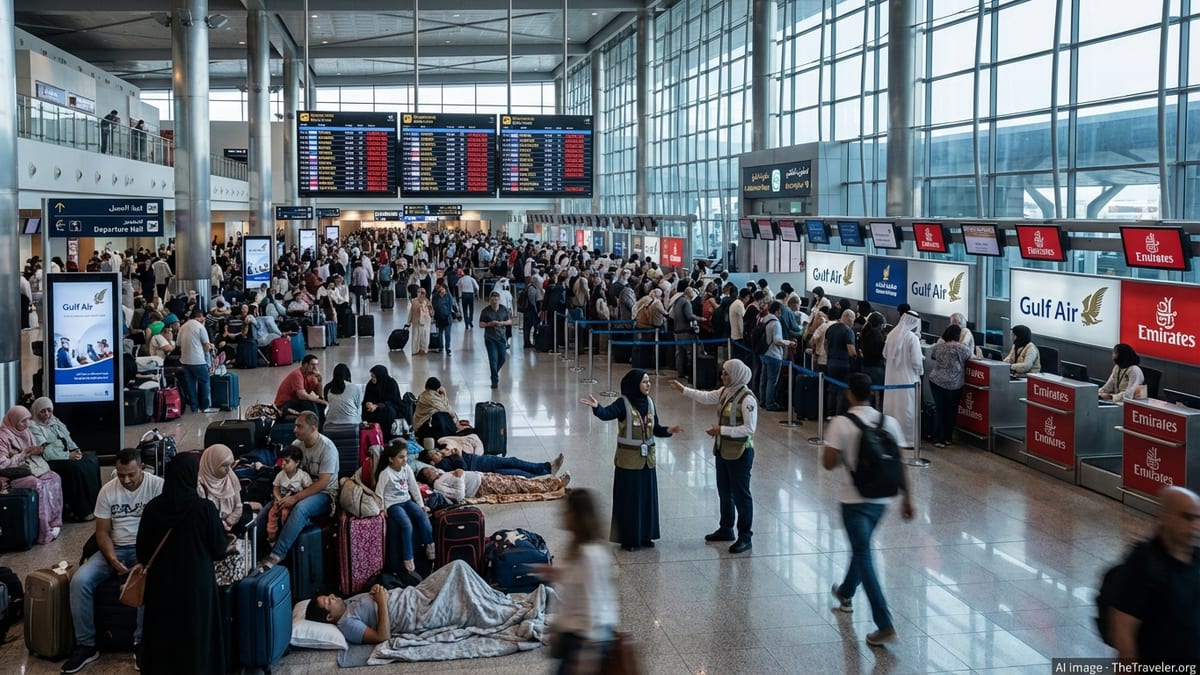
The status extension comes against a backdrop of significant operational disruption for Qatar Airways. Following intensified regional tensions and missile strikes affecting Qatar and neighbouring states in late February 2026, airspace restrictions and safety measures triggered a sharp reduction in scheduled flights to and from Doha. Hamad International Airport experienced cancellations and diversions, while Qatar’s civil aviation authorities focused on regaining full operational control of national airspace.
Published news coverage shows that Qatar Airways has been running a limited network, prioritising essential routes within the Middle East and select long haul services, while also operating special flights on certain corridors such as India to help clear backlogs. In some cases, these services are reserved for travellers affected by earlier cancellations, rather than being opened to general sale, underscoring the scale of displacement across the network.
For Privilege Club members, especially those based in Doha, Dubai and other Gulf hubs, the disruption has translated into last minute schedule changes, extended layovers and, in some instances, the need to reposition via alternative gateways. Online traveller reports describe complex rerouting scenarios and difficulties reaching call centres during peak disruption periods, although dedicated Privilege Club channels remain a key path for resolving elite-member bookings.
Travel industry observers note that the combination of limited capacity and heightened demand puts additional pressure on loyalty benefits such as priority waitlisting and guaranteed seat availability. Against that backdrop, maintaining status into 2026 is seen as crucial for frequent travellers who rely on these perks to secure seats and manage irregular operations more smoothly.
What the Extension Means in Practice for Privilege Club Tiers
According to publicly available programme documentation, Privilege Club status is normally earned and renewed based on Qpoints, which reflect cabin, fare class and distance flown over a defined qualification period. The latest extension effectively pauses or lengthens that renewal deadline for members within the specified timeframe, keeping their current tier active while travel opportunities remain constrained.
For Silver and Gold members, this is likely to preserve core benefits such as lounge access, additional baggage allowance and priority check in, boarding and baggage handling. For Platinum members, the extension safeguards more extensive advantages, including higher mileage accrual bonuses and greater flexibility around award redemptions on Qatar Airways and partner airlines.
Loyalty analysts point out that status protection can also help to avoid unintended knock on effects, such as the loss of preselected seats or the need to pay new fees for services that were previously included with higher tiers. Traveller discussions around earlier, unrelated tier changes suggest that sudden downgrades can lead to seat reassignments and additional costs, making proactive extensions particularly significant during a volatile period.
The status extension also interacts with broader features recently introduced to Privilege Club, including more personalised rewards and expanded opportunities to earn and burn Avios across partner networks. By holding members at their current tier, Qatar Airways increases the likelihood that they continue to engage with these options rather than shifting their flying to competing carriers once more stable alternatives emerge.
Flexible Policies, Rebooking Options and Member Protections
Beyond tier extensions, Qatar Airways has been updating its disruption and rebooking guidelines to address the evolving security situation. Travel trade documentation and passenger reports point to a framework under which travellers on cancelled or heavily delayed flights may change dates, adjust routings or in some cases rebook on other airlines with which Qatar Airways has interline agreements, subject to specific rules and time limits.
Some accounts highlight a tiered rebooking structure that initially prioritises partner airlines and then, under stricter conditions, allows re-accommodation on additional carriers within a defined geographical radius of the original destination. While these guidelines apply to all eligible passengers, Privilege Club members often benefit from faster handling, dedicated contact lines and greater likelihood of securing scarce seats, particularly in premium cabins.
Qatar Airways has also maintained elements of its more flexible pandemic era policies, such as allowing date changes without standard penalties on tickets covering the most affected travel period. In several publicly reported cases, travellers with journeys scheduled between late February and late April 2026 have been offered rebooking or refund options once flights were cancelled or heavily disrupted by the regional crisis.
Specialist loyalty commentary notes that, for elite members, the combination of status extensions, fee waivers and more generous rebooking terms can materially reduce the financial and logistical impact of disruption. However, the effectiveness of these measures in practice often depends on timely communication and the ability to reach customer service, an area where traveller feedback during the peak of the crisis has been mixed.
Looking Ahead: Rebuilding Confidence Among Frequent Flyers
As Qatar gradually restores more flights and other regional carriers adjust their schedules, the focus is shifting from immediate disruption management to long term loyalty retention. Analysts following the Gulf aviation market suggest that how airlines treat their most frequent customers during crises can have a lasting effect on brand perception, especially among corporate travellers and high spending leisure passengers.
Qatar Airways’ decision to extend Privilege Club status into 2026 is being interpreted as a signal that the airline wants to keep its most engaged customers tied into the ecosystem, even if they temporarily reduce their flying. Similar strategies during past crises, such as the pandemic and earlier Gulf diplomatic rifts, were widely credited with preserving loyalty and smoothing the eventual recovery in premium demand.
In the short term, members are likely to continue facing schedule volatility, longer detours around sensitive airspace and occasional ground delays as operational patterns evolve. For those based in Qatar and neighbouring states, the ability to lean on elite benefits for priority handling and support may prove decisive in choosing whether to stick with Qatar Airways or diversify to other carriers once more options become available.
For now, the combination of status protection, flexible policies and targeted updates to Privilege Club suggests that Qatar Airways is seeking to balance immediate operational constraints with a longer term view of loyalty. How effectively these measures are implemented on the ground, and how consistently they are communicated to members, will shape whether the airline’s most loyal flyers feel genuinely protected as the Middle East aviation landscape adjusts to a new phase of uncertainty.