

More news on this day
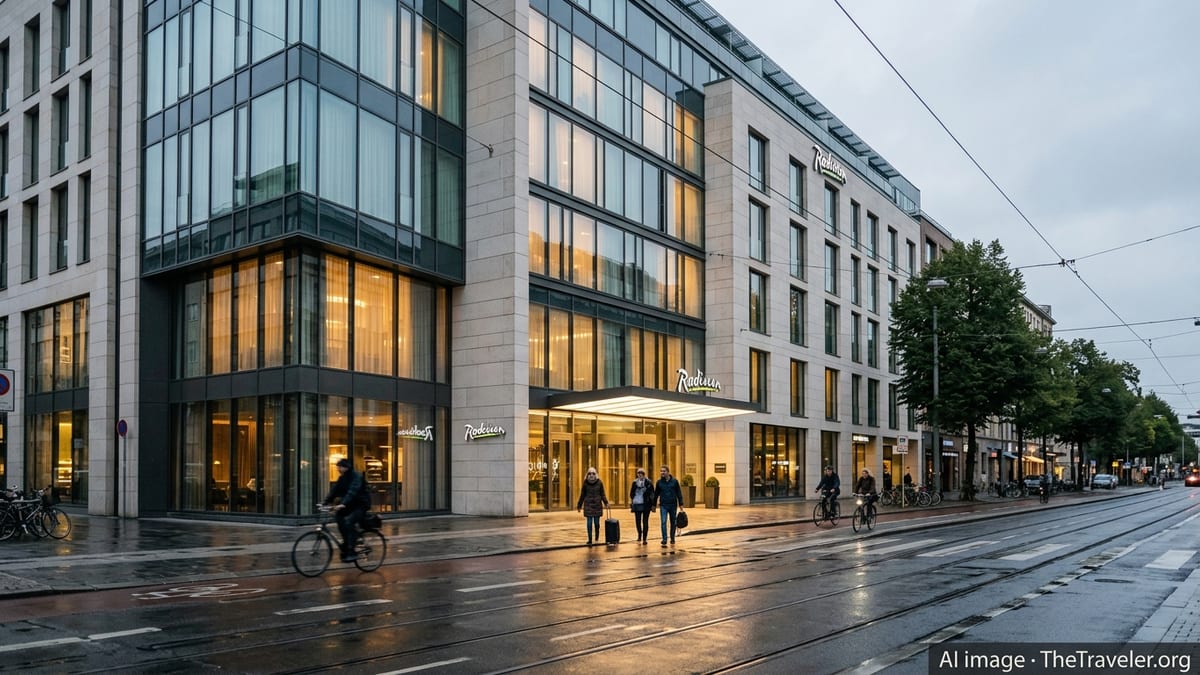
Radisson Hotel Group is positioning its new generation of Verified Net Zero properties as a shield against volatile energy prices, using deep retrofits, electrification and renewable power to stabilise long-term operating costs while advancing its climate goals.
Get the latest news straight to your inbox!
From Climate Pledge to Operational Strategy
Radisson Hotel Group has been working toward a net zero value-chain target by 2050, validated under the Science Based Targets initiative. The launch of its first two Verified Net Zero hotels in Manchester and Oslo marks a shift from high-level pledges to visible, asset-level transformation designed to change how energy is produced, purchased and consumed across the portfolio.
According to publicly available company information, the two European properties were retrofitted from existing hotels to meet the Net Zero Methodology for Hotels, a framework created with industry partners to align the sector with global climate goals. Independent verification by technical assessor TÜV Rheinland is presented as a safeguard against greenwashing and as a way to make the business case for investors and owners.
Radisson has framed these early projects as pilots that will inform a wider roadmap for sustainable buildings, renewable energy procurement and low-carbon operations. Internal reports highlight a focus on energy efficiency, water use, low-carbon food and beverage, and circular waste management, with the goal of scaling successful measures across hundreds of hotels over the next decade.
The group’s sustainability reporting indicates that progress has already been made at portfolio level, including a significant reduction in carbon emissions per room and an expanding share of properties sourcing 100 percent renewable electricity. The Verified Net Zero hotels are positioned as the next step: fully integrated projects where building fabric, mechanical systems and day-to-day operations are redesigned around net zero outcomes.
Deep Retrofits as a Hedge Against Price Shocks
The transformation of the Manchester and Oslo properties illustrates how net zero upgrades can also act as a hedge against energy price volatility that has hit European hospitality hard in recent years. The two hotels, both converted from older Park Inn by Radisson properties, underwent extensive renovations that included electrification of heating and hot water, high-efficiency systems and controls, and building envelope improvements intended to reduce overall energy demand.
Publicly reported figures indicate that Radisson invested several million euros in additional capex to reach net zero standards that European regulations are expected to require from 2040 onwards. By effectively front-loading compliance and efficiency measures, the group aims to lock in lower energy consumption today and avoid more expensive emergency upgrades later, while also protecting properties from future spikes in fossil fuel prices.
Company documents on responsible business strategy note that energy efficiency measures already reduce monthly utility bills across the portfolio. In the case of the Verified Net Zero hotels, the combination of insulation, smart building management systems and high-performance equipment is designed to minimise kilowatt-hours per guest night, creating a flatter and more predictable cost base regardless of short-term wholesale market movements.
Sustainability commentators point out that, while the upfront expenditure is substantial, the payback period may be shortened if energy prices remain elevated or become more volatile as carbon pricing expands. Radisson’s positioning of these hotels as “future proof” reflects an expectation that regulatory pressure and market conditions will increasingly reward assets that consume less and rely on cleaner power.
100 Percent Renewable Energy and New Power Models
Energy sourcing is a critical component of Radisson’s net zero strategy and central to its attempt to stabilise long-term operating expenses. The Verified Net Zero hotels commit to running entirely on renewable electricity for all functions, including heating, cooling, hot water, kitchens, leisure facilities and back-of-house operations.
To achieve this, Radisson combines electrification of building systems with contracts for renewable power, using instruments such as renewable energy certificates where direct supply is not yet available. During events like the COP28 climate summit in the United Arab Emirates, the group has already used similar mechanisms across its regional portfolio to neutralise electric emissions over defined periods, presenting this approach as a template for year-round net zero operations.
Industry analysis suggests that as renewable generation expands and grid decarbonisation advances, hotels equipped with efficient electric systems will be better positioned to benefit from lower marginal costs of clean energy. Long-term power purchase agreements and on-site generation, such as solar installations or participation in local microgrids, are increasingly discussed within hospitality as tools to secure predictable pricing over many years.
Radisson’s public materials indicate that it views the transition to renewables not only as a climate imperative but also as a way to reduce exposure to fossil fuel price swings, particularly in markets where gas and oil have traditionally dominated heating. By aligning building systems with clean electricity, the company is effectively betting that the cost curve for renewables will continue to trend downward, improving the economics of its net zero hotels over time.
Operational Changes: Food, Waste and Supply Chains
Beyond bricks and kilowatts, Radisson’s net zero hotels target the often-overlooked Scope 3 emissions that are closely tied to operating costs. Publicly available commentary from the group notes that food and beverage can account for more than half of a typical hotel’s indirect emissions, prompting a redesign of menus, procurement and waste management at the Verified Net Zero properties.
The hotels in Manchester and Oslo have introduced low-carbon menus that swap high-impact ingredients such as certain meats and seafood for lower-impact alternatives, while also focusing on seasonal and locally sourced produce. This shift is presented as both an emissions reduction measure and a response to rising food prices, as a more flexible and plant-forward menu structure can help kitchens manage volatility in global commodity markets.
Radisson also highlights the role of digital tools in monitoring food waste and adjusting purchasing patterns, with the aim of cutting unnecessary costs alongside greenhouse gas emissions. Waste audits, recycling infrastructure and guest-facing initiatives are used to reduce the volume of material sent to landfill, which in some markets is associated with escalating disposal fees and regulatory charges.
On the supply chain side, the group reports that it is reevaluating partnerships for laundry, transportation and in-room amenities to prioritise lower-carbon options. While these changes are framed as part of a broader climate strategy, they also contribute to cost control through reduced resource use, streamlined logistics and, in some cases, longer-lasting products that lower replacement frequency.
Setting a Template for Resilient Urban Hospitality
Radisson’s early net zero hotels are emerging at a time when European hospitality is grappling with higher utility bills, shifting regulations and more climate-conscious travellers. Industry observers describe the Manchester and Oslo projects as test beds that could influence how owners and operators approach asset upgrades in dense urban locations where space and budgets are constrained.
The company has emphasised that the Verified Net Zero concept is not limited to new builds, arguing that deep retrofits of existing city-centre properties are both technically feasible and commercially necessary. With many European hotels operating in buildings that predate modern energy codes, the approach taken in these conversions may offer a roadmap for others confronting the twin pressures of decarbonisation and rising operating expenses.
Analysts following sustainable hospitality note that the success of Radisson’s strategy will ultimately be measured by long-term performance: whether energy and operating savings materialise as projected, how guests respond to price points that reflect additional investment and whether similar projects can be scaled in markets with different regulatory and grid conditions.
For now, the group’s Verified Net Zero hotels signal a stronger link between climate resilience and financial resilience in the travel sector. By treating efficiency, electrification and renewable energy as core business levers rather than niche sustainability upgrades, Radisson is betting that future-proofing against energy shocks can also help secure its position in an increasingly competitive and carbon-constrained global hotel market.