

More news on this day
Carnival Cruise Line is entering 2026 with what company disclosures and industry analysis describe as record advance demand for Caribbean sailings, a surge that is filling ships earlier, lifting fares and accelerating a shift toward new private destinations across the region.
Get the latest news straight to your inbox!
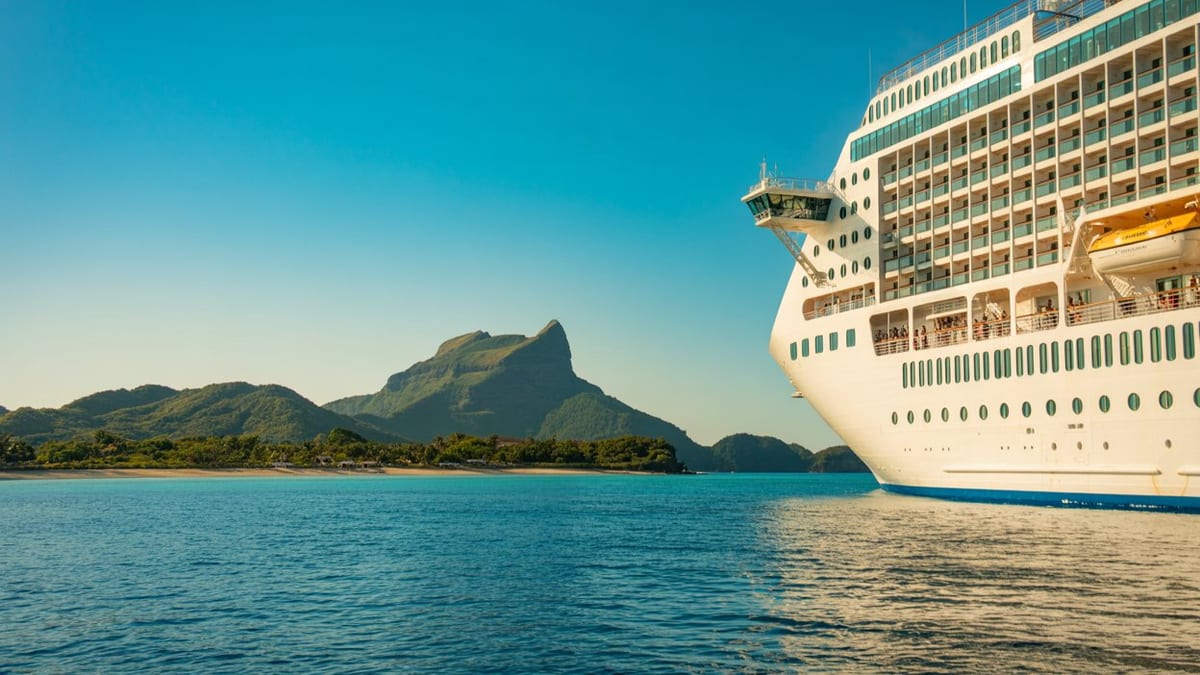
Image by Travel And Tour World
Record Bookings Tighten 2026 Caribbean Capacity
Recent financial filings and analyst commentary indicate that Carnival has entered 2026 with an unusually strong Caribbean order book, with a significant share of the year’s inventory already sold at higher prices than in 2025. Industry watchers note that the company reported record customer deposits through late 2025 and described bookings for 2026 and 2027 as among the strongest in its history, with Caribbean itineraries accounting for a substantial portion of that momentum.
The broader cruise sector is also expanding, creating a supportive backdrop for Carnival’s growth in the Caribbean. Forecasts from travel and cruise industry groups project that global passenger volumes will climb through 2026, with the Caribbean retaining its position as the most popular cruise region. Projections from travel organizations anticipate more than 21 million Americans taking an ocean cruise in 2026, building on several consecutive years of record participation.
Within that context, Carnival’s focus on short and medium-length Caribbean voyages out of major U.S. homeports is proving particularly resilient. Publicly available deployment information shows the line concentrating a large share of its fleet in the Caribbean for 2026, serving ports such as Miami, Port Canaveral and Galveston with year-round schedules that are seeing earlier sellouts of peak holiday and school-break periods.
The combination of high intent to cruise among repeat travelers and new-to-cruise customers is tightening capacity on popular seven-day Western and Eastern Caribbean routes. Travel agency reports and consumer forums frequently reference limited cabin availability and rising prices on prime 2026 departure dates, reinforcing the picture of record demand shaping the market.
Higher Prices, Earlier Planning and Changing Booking Behavior
Analysis of Carnival’s recent results suggests that strong demand is translating into firmer pricing for 2026 Caribbean sailings. Industry commentary around the company’s 2025 performance notes that nearly half of 2026 inventory was already sold at rates above the prior year, reflecting both limited capacity growth and a willingness among travelers to pay more for warm-weather getaways.
Travel trend reports show that more cruisers are planning farther ahead, especially for Caribbean itineraries tied to school holidays or major events. Data cited by travel organizations indicates that a growing share of passengers now book cruises more than a year in advance, and Carnival’s own booking windows for 2026 Caribbean voyages appear to mirror that pattern, with many summer and winter sailings already heavily committed.
The push to lock in cabins earlier is also affecting the onboard revenue mix. Industry intelligence reports highlight how a rising proportion of onboard spending is now secured before embarkation, as guests pre-purchase beverage packages, Wi-Fi, specialty dining and shore excursions. This trend is evident across the cruise sector and is particularly pronounced in the Caribbean, where repeat Carnival guests increasingly tailor and pay for add-ons months before sailing.
At the same time, higher demand is driving more selective discounting. While last-minute deals still appear for shoulder-season Caribbean departures, analysts note that deep promotions are becoming less common on core seven-day Carnival itineraries in 2026. Instead, value-conscious travelers are being nudged toward off-peak dates, repositioning cruises and alternative embarkation ports.
Private Destinations and New Itineraries Reframe the Caribbean Map
One of the most visible impacts of the 2026 demand surge is the way it is reshaping Carnival’s Caribbean route map. Company materials and independent coverage show a growing emphasis on private and semi-private destinations, with the line positioning its proprietary ports as signature experiences that can support premium pricing.
Carnival’s private-island strategy follows a broader cruise industry pattern in the Caribbean, where controlled environments help manage crowding, deliver consistent experiences and drive onboard-style spending ashore. Analysts view these destinations as central to sustaining higher yields, particularly as more passengers look for resort-style beach days, water parks and curated excursions bundled into their cruise fare.
Deployment information for 2026 highlights an array of short and weeklong itineraries combining traditional ports such as Cozumel and Grand Turk with newer Caribbean beach destinations and exclusive call points. These itineraries are designed to appeal both to first-time cruisers seeking easy introductions to the region and to loyal guests looking for fresh combinations of ports.
Demand for these new-style Caribbean routes is also influencing how Carnival utilizes individual ships. Fleet lists and brochures for 2026 show Excel-class vessels and recently refurbished ships playing prominent roles on marquee Caribbean itineraries, underscoring the importance of onboard hardware in attracting guests to an increasingly competitive but capacity-constrained market.
Limited Newbuilds Put Focus on Yield, Not Scale
While demand is hitting records, Carnival is entering 2026 without a major wave of new ship deliveries. Investor materials and industry discussion around the company’s earnings calls indicate that there are no new vessels scheduled for delivery in 2026 and only a modest number of ships arriving in subsequent years compared with the pre-2020 order boom.
This restrained capacity growth contrasts with the early 2010s, when large cruise lines regularly added multiple ships per year. Analysts suggest that the current approach reflects a more disciplined capital strategy, with Carnival concentrating on paying down debt, upgrading existing ships and maximizing yields on the Caribbean capacity it already fields.
For travelers, the slower pace of newbuild introductions means that scarcity, rather than expansion, is shaping 2026 Caribbean availability. Popular sailings on high-demand ships are selling out quickly, and the absence of additional berths entering the market this year gives operators more pricing power during peak periods.
At the same time, refits and product upgrades are helping Carnival refresh its Caribbean offering without relying solely on new tonnage. Publicly available fleet data points to several vessels that have undergone significant renovations in recent years, giving the company more flexibility to place competitive hardware into the Caribbean while still maintaining a broad global footprint.
What Record Demand Means for 2026 Cruise Travelers
The upshot of record demand for Carnival’s Caribbean cruises in 2026 is a more competitive environment for prospective guests. Industry forecasts and booking patterns suggest that travelers who wait for last-minute bargains on prime itineraries are increasingly likely to encounter limited cabin choice or sold-out sailings, particularly on popular summer, spring break and holiday departures.
Travel advisors and consumer reports frequently recommend that those targeting specific ships, cabin categories or school vacation weeks commit earlier and budget for higher base fares than in previous years. Flexible travelers still find relative value on shoulder-season cruises, but even those periods are benefiting from the broader surge in interest in Caribbean sailings.
The demand spike is also reinforcing several structural shifts in how people cruise the Caribbean with Carnival. There is more emphasis on short getaways from drive-to ports, greater integration of private destinations into itineraries and a growing role for digital pre-planning and pre-payment of onboard experiences. Together, these changes are steadily reshaping what a typical Caribbean cruise looks like in 2026.
For the industry, the strength of Carnival’s Caribbean book underscores how central the region remains to global cruising. With passenger forecasts pointing to another record year and capacity growth relatively modest, 2026 is emerging as a pivotal period in which demand, rather than new hardware, is redefining cruise vacations in the Caribbean.