

More news on this day
A sudden spike in aviation fuel prices in early 2026, triggered by fresh conflict in the Middle East and renewed volatility in global oil markets, is pushing airlines across the world to lift fares, rethink routes and accelerate fuel-saving strategies, raising the cost of air travel for leisure and business passengers alike.
Get the latest news straight to your inbox!
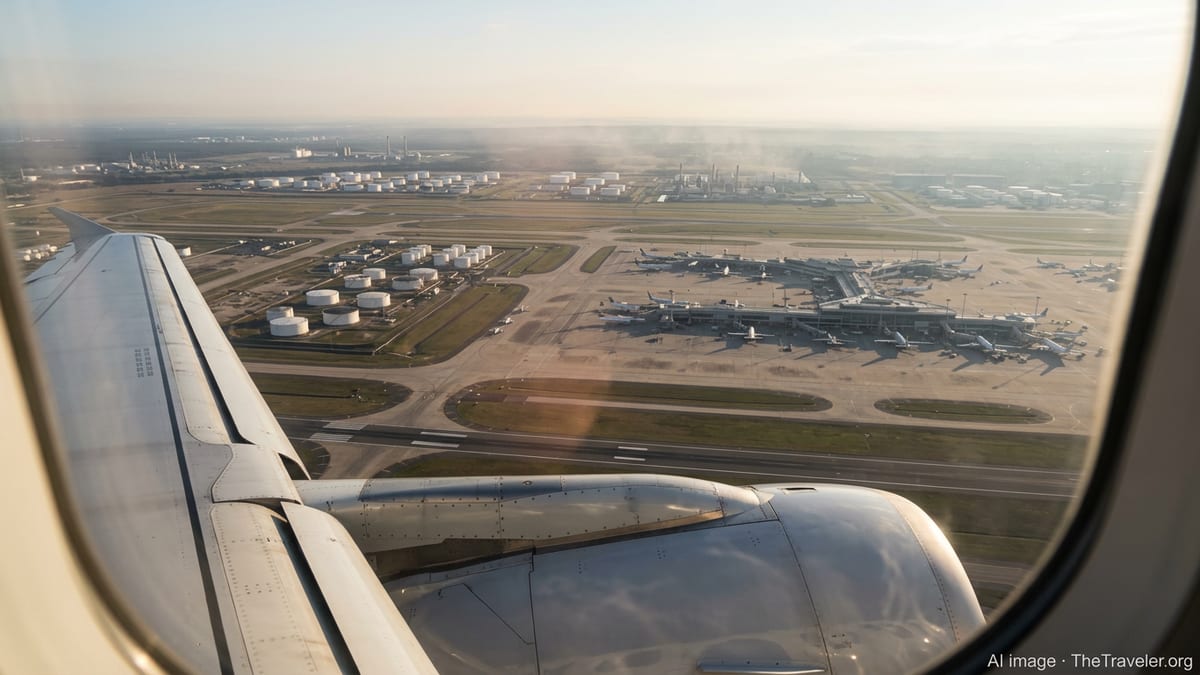
Fuel Price Shock Reverberates Through Global Aviation
Jet fuel, typically one of the largest single costs for airlines, has surged in price since late February, eroding already thin profit margins and forcing carriers to pass at least part of the burden on to travelers. Industry estimates suggest that jet fuel can account for 20 to 30 percent of an airline’s operating expenses in normal times; with prices now jumping sharply, the impact on balance sheets is immediate and significant.
The latest conflict affecting oil and gas flows around the Strait of Hormuz and key Gulf production hubs has driven benchmark crude above the 100 dollar mark and pushed jet fuel prices dramatically higher compared with levels seen only weeks ago. Analysts who had expected a relatively stable fuel environment through 2026 are rapidly revising forecasts, warning that if the disruption persists, airlines will struggle to absorb costs without structural changes in pricing and capacity.
Data from airline associations and energy providers show a clear break with the downward trend in fuel prices that had supported more moderate airfares through much of 2024 and 2025. While long term outlooks still point to gradually improving efficiency and more competitive markets, the short term reality for 2026 is one of higher input costs feeding through to ticket prices on many routes.
Executives at several major carriers have begun publicly flagging the likelihood of more expensive flights in the months ahead, citing fuel bills that have risen far faster than revenue. Some have framed the current environment as a stress test for the industry’s recovery, coming just as global passenger demand had returned close to or above pre pandemic levels.
Fares and Fuel Surcharges Edge Up Across Key Markets
In response to the fuel shock, airlines in Asia, Europe, the Middle East and the Americas are steadily adjusting their pricing. In some cases this is happening through direct base fare increases, while in others carriers are quietly reducing discounted inventory or adding targeted fuel surcharges to specific routes most exposed to higher operating costs.
Recent announcements from airlines in Australia, Scandinavia and Hong Kong highlight the emerging pattern. Several have signaled average fare rises of around 5 percent on international routes, along with new or higher fuel related fees on select long haul and regional services. Carriers serving South Asia and the Indian Ocean have introduced double digit percentage surcharges on certain leisure routes, explicitly linking the moves to the surge in fuel prices.
In India, where aviation turbine fuel can make up as much as 35 to 40 percent of operating costs, local reports indicate that international ticket prices from major hubs are climbing by around 10 to 15 percent heading into the northern summer season. Travel agencies in the region are advising customers to anticipate further upward revisions if oil and jet fuel benchmarks remain elevated into the second quarter.
North American and European carriers have so far favored more incremental adjustments, trimming promotional sales and yield managing their way toward higher average fares rather than imposing broad explicit surcharges. However, several chief executives have cautioned that if fuel remains expensive through the peak travel months, more visible price actions, including additional fees on long haul flights, will be hard to avoid.
Route Maps, Frequencies and Capacity Under Review
Alongside fare increases, airlines are rapidly reassessing where and how often they fly. Rising fuel costs hit the longest and most fuel intensive flights hardest, especially those that must now be rerouted around conflict zones and closed airspace, adding extra miles and fuel burn to each sector.
Carriers serving the Middle East, South Asia and parts of Europe are already reporting higher operating costs on flights that require extended detours to avoid affected regions. Some have temporarily cut frequencies or paused marginal routes where the additional fuel burn tips services from marginally profitable to loss making. Industry analysts expect more targeted capacity reductions on thin long haul routes and secondary city pairings if current conditions persist.
Short haul and domestic networks are also under scrutiny. While these flights consume less fuel per sector, they are more numerous and often operate on tighter margins. Airlines are examining schedules for opportunities to consolidate underperforming frequencies, adjust aircraft gauge or redeploy capacity to higher yielding routes where they can better recover increased costs.
At the same time, several carriers are pressing ahead with previously planned fleet renewal programs, retiring older, less efficient aircraft faster than originally scheduled. Widebody models with better fuel burn per seat are being prioritized for long haul routes, while new generation narrowbodies are replacing ageing jets on regional networks in an effort to counteract the fuel spike with structural efficiency gains.
Efficiency, Hedging and Sustainable Fuels in the Spotlight
The renewed volatility in fuel markets is also bringing long term efficiency strategies back to the forefront. Airlines with robust fuel hedging programs, which locked in lower prices for a portion of their 2026 consumption, currently enjoy a temporary buffer from spot market spikes. However, hedging coverage is rarely complete, and favorable contracts will gradually roll off, exposing more of their operations to higher costs if prices remain elevated.
Operational measures, from single engine taxiing and lighter cabin fittings to optimized flight planning and continuous descent approaches, are being reemphasized by management teams as relatively quick wins to shave percentage points off fuel burn. In parallel, airport and air navigation authorities are under renewed pressure from the industry to modernize air traffic management systems that could reduce holding patterns and shorten routings.
Sustainable aviation fuel, which is central to the sector’s long term decarbonization plans, faces its own cost challenges. Production remains limited and prices substantially higher than conventional jet fuel, meaning that in a period of overall fuel price inflation, the premium for greener alternatives is especially hard for airlines to absorb. Industry bodies warn that without supportive policies to scale supply and narrow the price gap, carriers will struggle to expand sustainable fuel use at the pace required while also coping with higher conventional fuel bills.
Nevertheless, some network airlines and major low cost carriers are using the current crisis to argue for closer collaboration with governments on both energy security and climate policy. They contend that a diversified fuel mix, including more sustainable options produced closer to home, could over time reduce exposure to geopolitical shocks that now translate so quickly into higher ticket prices for consumers.
What Rising Fuel Costs Mean for Travelers in 2026
For passengers, the most immediate effect of the fuel spike is visible in higher prices on recently searched itineraries and fewer ultra cheap deals on popular routes. Travel agents and corporate travel managers report that advance booking windows are lengthening as travelers lock in seats before further price increases, while last minute bargains are becoming scarcer, especially on long haul flights.
Leisure travelers planning big international trips may find that flying at off peak times or choosing one stop itineraries over nonstops offers some relief, as airlines use pricing to smooth demand across their networks. Corporate buyers are reviewing travel policies to encourage earlier booking, greater flexibility on airlines and routings, and in some cases increased use of virtual meetings for shorter trips where higher fares are difficult to justify.
Consumer advocates caution that while higher fuel costs clearly justify some fare inflation, regulators and competition authorities will be watching to ensure that airlines do not use the crisis to push through unjustified or opaque surcharges. They argue that transparent, all inclusive pricing and clear communication about the drivers of higher fares are essential to maintaining public trust as the industry navigates another period of turbulence.
With jet fuel costs now firmly back in the spotlight, 2026 is shaping up as a year in which both airlines and travelers must adapt once again. How long higher airfares persist will largely depend on the trajectory of global energy markets and geopolitical tensions, but for now, most signs point to a more expensive sky for those who need or choose to fly.