

More news on this day
Royal Caribbean is preparing a major expansion of its presence in Singapore, with plans for Quantum of the Seas to deliver a new series of immersive Asia sailings across the 2027 and 2028 seasons, signaling renewed confidence in the region’s cruise recovery and long-term growth.
Get the latest news straight to your inbox!
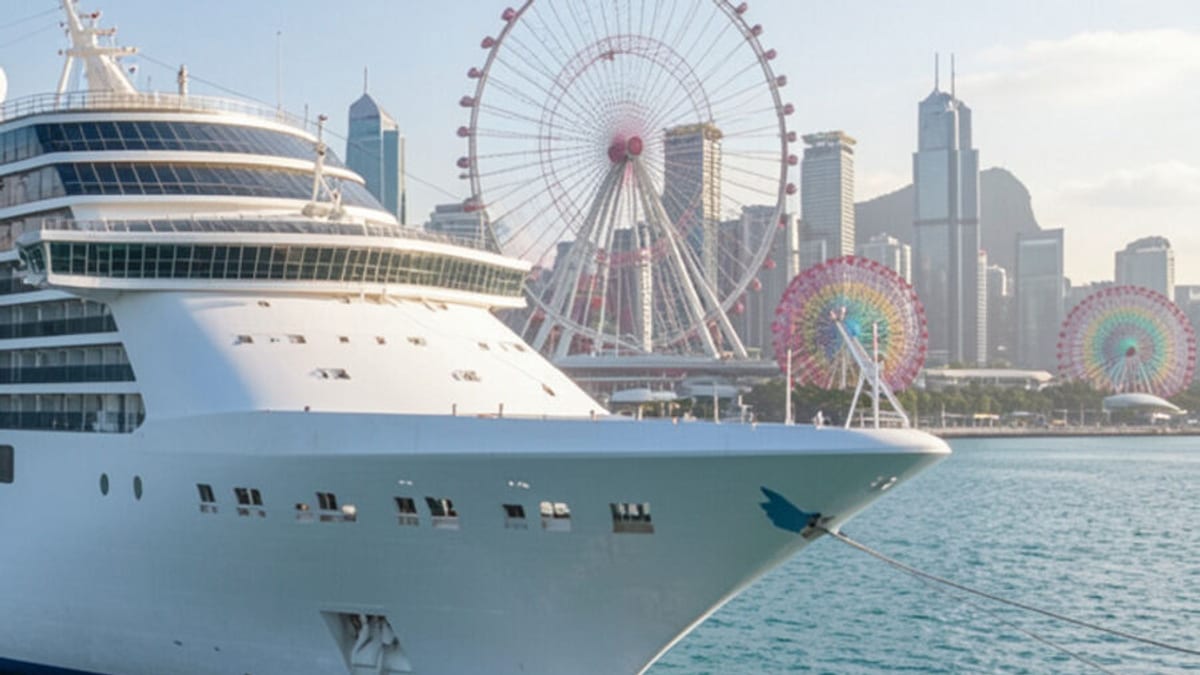
Image by Latest International / Global Travel News, Breaking World Travel News
Singapore Strengthens Role as a Strategic Cruise Hub
Publicly available deployment schedules and industry commentary indicate that Royal Caribbean is increasingly treating Singapore as a long-term strategic hub for its Asia operations. In recent years, the company has already based large ships in the city-state for extended seasons, using its deep-water terminals and air connectivity to attract guests from Southeast Asia, India, Australia and Europe. The future deployment of Quantum of the Seas in 2027 and 2028 is expected to reinforce that role.
Singapore’s cruise infrastructure has been expanded and upgraded over the last decade, and planners have continued to promote the city as a gateway to regional destinations such as Thailand, Malaysia, Vietnam and Indonesia. The intention to deploy a Quantum-class vessel in consecutive years aligns with this broader strategy, pointing to expectations of steady regional demand and strong fly-cruise traffic.
Industry reports note that Asia’s cruise market has been rebuilding after pandemic-era disruptions, with Singapore among the first ports in the region to restart large-ship operations under tightened health protocols. Continued investments in terminals, tourism marketing and air links are seen as key ingredients for sustaining a larger, more modern cruise fleet based in or passing through the city.
Observers also highlight that Singapore’s reputation for operational reliability and efficient port services makes it an attractive homeport for complex itineraries. Positioning Quantum of the Seas there over multiple seasons is viewed as a way to secure consistent deployment while other Asia markets continue to fine-tune their reopening and regulatory frameworks.
Quantum of the Seas Set for Immersive Asia Voyages
Quantum of the Seas, one of Royal Caribbean’s Quantum-class ships, is widely associated with technology-focused features and resort-style amenities that were originally introduced for North American and Asia-Pacific markets. Plans for the vessel to operate in and around Singapore during 2027 and 2028 are expected to focus on itineraries that highlight regional heritage sites, beach destinations and culinary hubs.
Based on current patterns in Royal Caribbean’s Asia programming, observers anticipate a mix of short getaways and longer regional sailings. Shorter itineraries typically feature ports such as Penang and Phuket, appealing to first-time cruisers and regional travelers seeking weekend breaks. Longer sailings can reach deeper into Southeast and East Asia, connecting Singapore with destinations in Vietnam, Indonesia, Japan and other emerging cruise ports.
Cruise analysts suggest that the combination of Quantum of the Seas’ hardware and Singapore’s air connectivity will support more immersive offerings. These could include themed sailings and extended port stays that give guests more time to explore shore attractions, food scenes and UNESCO-listed sites across Asia.
Although detailed day-by-day schedules for 2027 and 2028 have not yet been fully published, the decision to anchor a Quantum-class ship in the region for back-to-back years is being interpreted as a clear vote of confidence in the diversity and depth of Asia’s cruise itineraries.
Capacity Boosts Point to Post-Pandemic Demand Rebound
The move to allocate Quantum of the Seas to Singapore for the 2027 and 2028 seasons follows a broader trend of capacity increases across Royal Caribbean’s global network. Financial presentations and fleet deployment updates in recent quarters have described a pipeline of new ships and expanded itineraries designed to meet what the company views as strong, sustained demand for cruising.
Analysts tracking the sector report that Asia, once one of the fastest-growing cruise regions before 2020, is now moving back onto long-term growth paths. Royal Caribbean and other major brands have gradually reintroduced larger ships, with booking patterns for later-decade seasons reflecting interest from both domestic and international travelers looking for multi-country voyages without repeated flights.
The planned presence of Quantum of the Seas in Singapore is expected to add thousands of lower berths to the regional market each season. Trade publications note that this increase in capacity could support further development of shore infrastructure in nearby ports, as destinations prepare to welcome larger ships and higher guest volumes on a regular basis.
Travel industry coverage also suggests that advanced bookings for late-2020s itineraries are increasingly common among cruise loyalists. This gives operators more visibility into demand patterns and allows them to refine deployment decisions around ships like Quantum of the Seas to balance seasonal peaks, school holidays and regional festivals.
Competition and Collaboration Across Asia’s Cruise Landscape
Royal Caribbean’s decision to strengthen its Singapore base with Quantum of the Seas comes as other Asia ports continue to invest in new terminals and tourism promotion. Cities in Japan, South Korea, Malaysia and Vietnam have announced or completed pier expansions and passenger facilities designed to host larger ships and more frequent calls.
Industry observers describe the region’s development as both competitive and collaborative. While ports compete for marquee homeport and turnaround business, many also recognize that a larger network of attractive destinations benefits every operator deploying capacity in Asia. Singapore’s central location and air links position it as a natural embarkation point for itineraries that connect multiple countries in a single voyage.
The introduction of more large ships such as Quantum of the Seas is also seen as a driver for regional partnerships in shore excursions, environmental initiatives and crew logistics. Ports and tourism boards have an incentive to coordinate on issues such as sustainable tourism management, local transport and crowd flow in historic districts.
Reports from trade events and regional tourism forums highlight growing interest in diversifying port calls beyond long-established cities, bringing cruise traffic to smaller coastal communities. The scale and visibility of a Quantum-class vessel can accelerate these efforts by encouraging investment in new berths, tender facilities and visitor services.
Outlook for Travelers Planning Late-2020s Asia Cruises
For travelers looking ahead to 2027 and 2028, Royal Caribbean’s expanded Singapore deployment with Quantum of the Seas points to a wider array of choices for Asia cruises. Prospective guests can expect a combination of short regional escapes and longer multi-country journeys, with Singapore serving as an easy-to-access starting point thanks to its airline connections.
Travel advisors note that the late 2020s are likely to be characterized by more varied itineraries and a broader selection of ships across the Asia-Pacific region. Quantum of the Seas adds a technologically advanced option in this mix, with entertainment, dining and activity offerings positioned to appeal to families, couples and multi-generational groups.
Published guidance from cruise planners suggests that those considering peak holiday periods or school breaks in 2027 and 2028 may benefit from early booking strategies as capacity fills. As more details on ports of call, sailing dates and onboard programming emerge, travelers are expected to weigh Singapore-based cruises against competing Mediterranean, Caribbean and Alaska itineraries for the same seasons.
Overall, Royal Caribbean’s decision to boost operations in Singapore with Quantum of the Seas underscores how central Asia has become to long-term cruise planning. For the city-state and its neighboring destinations, the deployment offers both immediate tourism benefits and a platform for continued growth in the global cruise marketplace.