

More news on this day
Royal Caribbean is positioning Singapore for a larger role in its global network, with deployment plans indicating that Quantum of the Seas will return to Asia and support an expanded program of immersive regional voyages across the 2027–28 cruise seasons.
Get the latest news straight to your inbox!
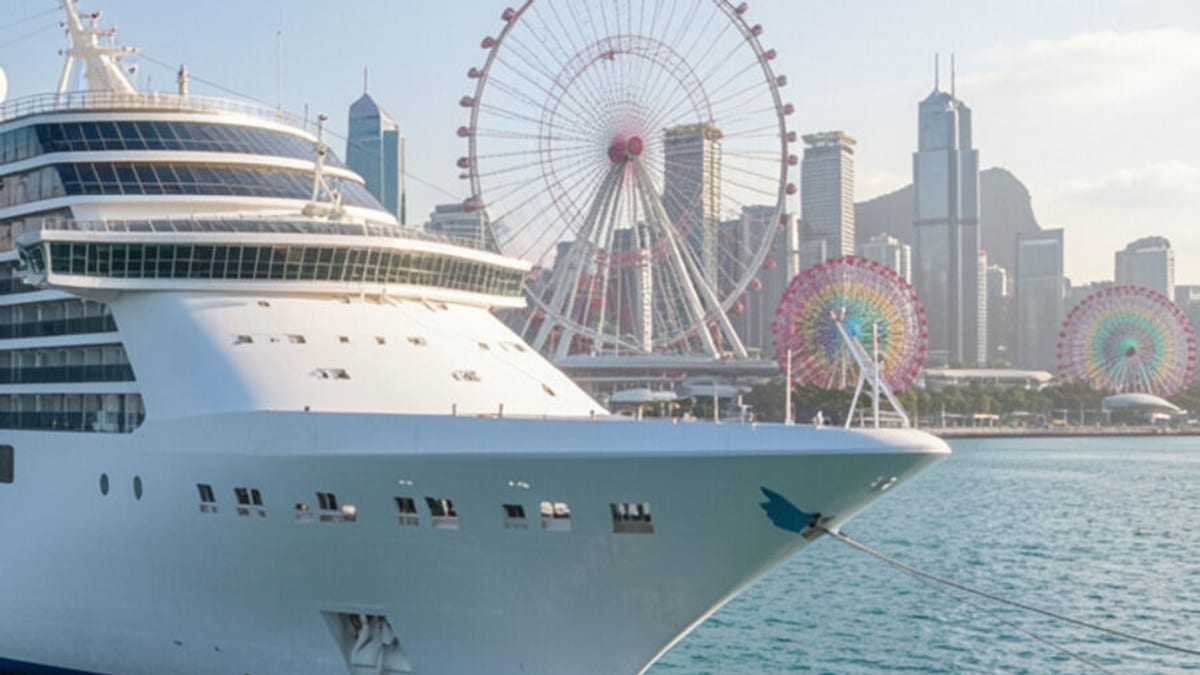
Image by International Cruise News: Latest Cruise Line & Cruise Ship News
Quantum of the Seas Set to Anchor a Bigger Singapore Program
Public deployment information and forward cruise schedules suggest that Royal Caribbean is preparing to amplify its presence in Southeast Asia, with Singapore emerging as a key turnaround port for Quantum of the Seas from late 2027 into 2028. The Quantum class ship has already alternated between North American and Asian homeports in recent years, and industry tracking of future itineraries points to a renewed, longer-term commitment in the region.
Quantum of the Seas has a history of sailing out of Singapore on regional routes to destinations such as Penang, Phuket and ports in Vietnam, complementing periods based in China and Alaska. Industry watchers note that Royal Caribbean’s broader fleet plan for 2027 and 2028, including new Icon and Oasis class ships entering service, frees up capacity for a dedicated Asia deployment anchored in Singapore.
Forward-looking cruise inventory published by travel distributors shows Quantum of the Seas heavily scheduled on North American routes in 2026 and 2027, particularly to Alaska from Seattle. As the cruise line phases in newer tonnage elsewhere, analysts expect a strategic redeployment of Quantum of the Seas back to Singapore, where the ship’s size and amenities align well with the Marina Bay Cruise Centre’s expanding capacity.
While detailed day-by-day itineraries for 2027–28 Asia sailings have not yet been fully released, Royal Caribbean’s established pattern of announcing deployment in seasonal waves suggests that more specifics on Singapore-based departures and onboard experiences will surface as the line opens bookings further into 2028.
Singapore Strengthens Its Role as a Regional Cruise Gateway
Singapore has been investing steadily in cruise infrastructure, and available government reports highlight continued upgrades at Marina Bay Cruise Centre to handle larger ships and higher passenger volumes. Terminal enhancements and expansion works are planned to raise capacity significantly over the coming years, supporting more frequent calls and longer seasons by international cruise brands.
The city-state’s position at the heart of Southeast Asia makes it an efficient embarkation point for multi-country itineraries. From Singapore, ships can reach Malaysia, Thailand, Vietnam and Indonesia on short sailings, while longer voyages can extend to the Philippines, Japan and beyond. This geographic advantage is expected to underpin Royal Caribbean’s decision to increase homeporting by Quantum of the Seas during the 2027–28 window.
Tourism authorities in Singapore have emphasized cruise as a pillar of the city’s broader visitor strategy, highlighting the potential for pre and post-cruise stays. Royal Caribbean’s move to strengthen deployment from the city dovetails with efforts to attract higher-spending visitors who combine sailings with shopping, dining and cultural experiences on shore.
Industry reports indicate that Southeast Asia’s cruise market has rebounded strongly, with Singapore regaining its status as a leading regional hub. A sustained Quantum of the Seas presence in 2027–28 would reinforce that trajectory and signal confidence in long-term demand from both regional travelers and fly-cruise guests from farther afield.
Immersive Asia Voyages Designed Around Regional Highlights
Itineraries expected for the 2027–28 seasons out of Singapore are likely to build on Royal Caribbean’s established mix of short getaways and longer, destination-rich journeys. Historically, Quantum class sailings from Singapore have featured three to five night cruises to Malaysia and Thailand as well as extended voyages combining multiple Southeast Asian ports.
Observers anticipate that the new program will focus on what the line describes as more immersive experiences, including overnight or late-night calls in key regional cities and ports that offer vibrant nightlife, culinary scenes and cultural attractions. As cruise lines compete more directly in Asia, curated shore excursions, themed sailings and seasonal festival tie-ins are becoming central to itinerary design.
The 2027–28 deployment is also expected to capitalize on growing interest in multi-generational travel within Asia. Quantum of the Seas offers a wide range of activities, from family-focused entertainment to upscale dining and adult-only spaces, allowing itineraries from Singapore to appeal to both first-time and repeat cruisers across age groups.
Longer sailings that combine Southeast Asia with calls farther north could also feature in the schedule as Royal Caribbean looks to differentiate its product. These voyages would use Singapore as a convenient gateway, encouraging international guests to spend additional nights in the city before or after their cruise.
Capacity Shifts Across the Fleet Open Room for Asia Growth
Royal Caribbean’s broader deployment strategy for 2027 and 2028 features the introduction of additional large vessels, including new Icon class and Oasis class ships. As these newer ships enter service in North America and Europe, existing tonnage is expected to be reassigned, creating an opportunity to reinforce Asia without reducing capacity in other marquee markets.
Financial presentations and fleet planning documents hint at a longer-term rebalancing of capacity that includes a stronger presence in high-growth regions. Asia, and particularly China and Southeast Asia, remains part of that equation. Quantum of the Seas, with its established record in both markets, is viewed by analysts as a flexible asset that can respond to evolving demand patterns.
By the late 2020s, Royal Caribbean is projected to operate one of the most modern large-ship fleets in the industry. Deploying a proven Quantum class ship from Singapore during 2027–28 allows the line to leverage existing brand recognition while newer vessels attract first-time guests in other regions. This layered approach is seen as a way to protect yields while expanding globally.
The shift also reflects a growing trend among major cruise operators to use Asia as a testing ground for new onboard programming tailored to regional tastes. Longer-term scheduling of Quantum of the Seas from Singapore in 2027–28 would give Royal Caribbean room to refine offerings that could later be adapted across the fleet.
What Travelers Can Expect as Bookings Extend Into 2028
For travelers, the anticipated expansion of Quantum of the Seas operations from Singapore in 2027–28 signals more choice in itinerary length, departure dates and cabin categories. As the schedule fills out, consumers can expect a mix of peak-season sailings timed around school holidays and shoulder-season departures aimed at seasoned cruisers seeking quieter sailings and value pricing.
Travel trade channels are likely to highlight Singapore’s air connectivity and visa-friendly policies as key selling points for these voyages. With many international carriers offering direct services into Changi Airport, Singapore-based cruises can be easily packaged with city stays or broader regional travel.
Onboard, Quantum of the Seas is expected to continue offering the full slate of Quantum class experiences, including high-tech entertainment, diverse dining options and family-oriented amenities. Subtle adjustments in menus, entertainment lineups and retail offerings may be made to better reflect the preferences of Asia-based guests.
As Royal Caribbean progressively releases more details of its 2027–28 deployments, prospective passengers and travel advisors will gain a clearer view of how Quantum of the Seas will be woven into Singapore’s cruise landscape. For now, signals from fleet planning, infrastructure investments and regional demand all point toward a more prominent role for both the ship and the city in the second half of the decade.