

More news on this day
Royal Caribbean is preparing a fresh round of upgrades for three of its classic ships in 2026, extending its Royal Amplified fleet-modernization program and signaling renewed investment in mid-sized vessels that remain popular with loyal cruisers.
Get the latest news straight to your inbox!
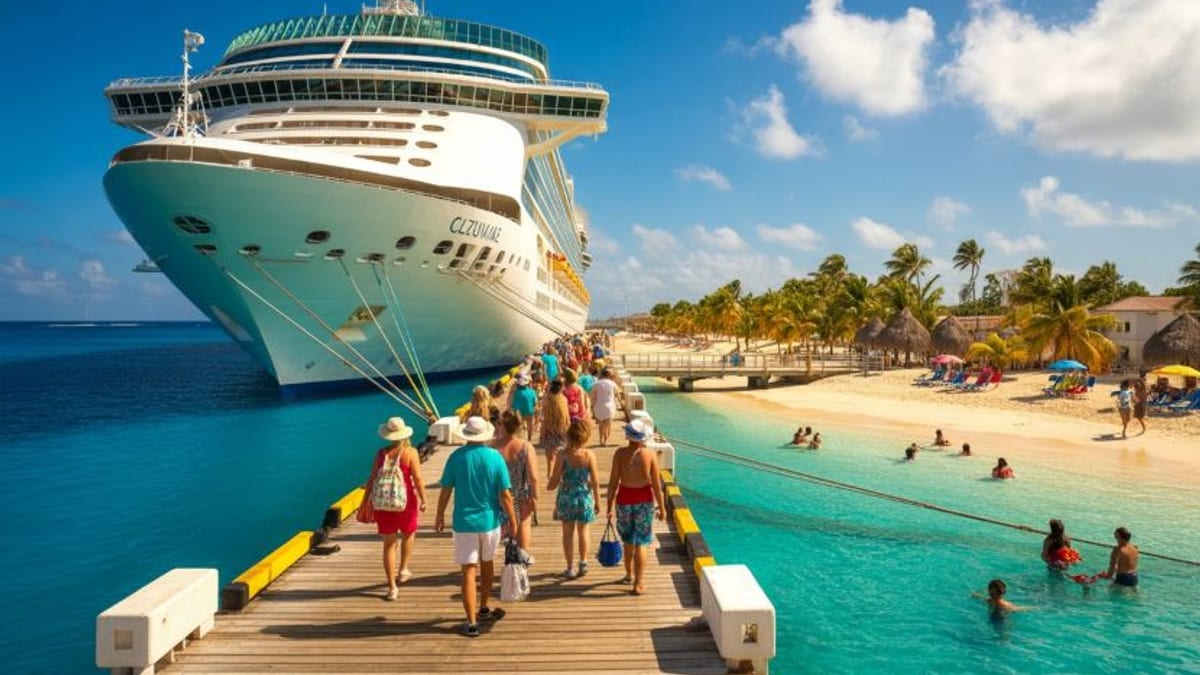
A New Chapter for Royal Amplified in 2026
Publicly available information shows that Royal Caribbean paused parts of its Royal Amplified refurbishment program during the pandemic, before restarting with large-scale work on Allure of the Seas in early 2025. The line is now extending that strategy, with reports indicating that three established ships are scheduled for significant makeovers in 2026 under an initiative widely described as a major expansion of the program.
Cruise industry coverage describes the refurbishments as a way to bring older tonnage closer in line with guest expectations shaped by the newest hardware. The focus is on signature attractions such as upgraded pool decks, expanded dining, and family-focused entertainment that have already become hallmarks on previously amplified ships including Mariner of the Seas, Navigator of the Seas and Freedom of the Seas.
According to recent analyses of the company’s capital-expenditure plans, Royal Caribbean is committing billions of dollars across new builds and refurbishments in the mid-2020s, with fleetwide upgrades presented as a core part of its growth strategy. The 2026 projects on three classic ships are being framed as the next step in that broader push to refresh existing capacity while new vessels like the Icon class enter service.
Industry observers suggest that the decision to prioritize mid-sized and older ships reflects a changing demand pattern. Many repeat cruisers appear willing to trade the sheer scale of the newest mega-ships for more familiar layouts and itineraries, provided that the onboard hardware and experiences do not feel dated compared with the latest entrants.
What the Makeovers Mean Onboard
Royal Caribbean’s earlier Royal Amplified projects offer a detailed preview of what passengers may see when the three classics head into dry dock in 2026. Past refurbishments on similar vessels have introduced water slide complexes, revamped family pools, updated cabins and new specialty venues that cater to both nighttime entertainment and casual daytime dining.
Reports from previous amplifications highlight recurring themes. Pool decks have shifted toward a more resort-style aesthetic, with added shade, colorful furnishings and Caribbean-inspired bar concepts. On earlier projects, the line rolled out venues such as The Lime & Coconut, expanded Splashaway Bay play areas for children, and high-speed racer slides designed to be visual centerpieces on the top deck.
Dining and nightlife have also featured prominently in recent overhauls. Coverage of previous Royal Amplified ships notes the addition of popular venues such as Playmakers Sports Bar & Arcade, updated Italian and Asian specialty restaurants, and refreshed main dining room decor. These changes have often been paired with technology upgrades, including improved Wi-Fi, digital signage and expanded use of mobile apps for dining and entertainment reservations.
Cabin enhancements on earlier projects suggest another likely area of focus. Past refurbishments have added new categories such as panoramic oceanview staterooms and reconfigured suites, while refreshing soft furnishings and lighting in existing cabins. For guests, this combination of public-space transformation and in-room comfort upgrades has been framed in coverage as a key driver behind higher satisfaction scores on revitalized ships.
Three Classics, Three Different Roles in the Fleet
While Royal Caribbean has not positioned the 2026 work as a class-wide overhaul, reports indicate that the three ships selected share a similar profile as proven, mid-sized vessels with established followings on core routes. Industry commentary characterizes them as “classics” because they helped define the line’s reputation in the early 2000s and 2010s, particularly through features such as the Royal Promenade, sports decks and family-friendly layouts that were seen as cutting-edge at the time.
These ships currently serve a mix of short and medium-length itineraries in North America and Europe, including Caribbean loops, Mediterranean runs and seasonal repositionings. Deployment summaries for 2024 and 2025 show them rotating through marquee destinations such as Perfect Day at CocoCay in the Bahamas, popular Mexican ports and key Mediterranean gateways, often on itineraries that appeal strongly to families and first-time cruisers.
Analysts note that these routes are among the most competitive in the market, with newer ships from rival brands offering expansive water parks, gastronomy-focused concepts and immersive entertainment. Upgrading Royal Caribbean’s classic ships, therefore, is widely viewed as a way to protect market share on bread-and-butter itineraries while keeping per-passenger spending strong on vessels that are already well amortized.
The three ships also play an important operational role. Their size allows them to access ports that are more constrained for the largest mega-ships, while still providing the economies of scale needed for mainstream pricing. Aligning their hardware more closely with newer tonnage is likely to give Royal Caribbean more flexibility in mapping out deployments in the second half of the decade.
Passenger Expectations and Competitive Pressure
As the amplification program returns to the spotlight, passenger expectations have evolved considerably since Royal Caribbean first began large-scale refurbishments in the late 2010s. Coverage in cruise trade publications points to a steady rise in demand for high-speed connectivity, diverse casual dining and immersive entertainment, even on shorter sailings that historically focused on basic value.
Rival brands have responded with their own modernization programs, rolling out new onboard technology platforms, refreshed cabin designs and upgraded poolside experiences on older hulls. Against that backdrop, the decision to move ahead with a coordinated face-lift across three Royal Caribbean classics in 2026 is being interpreted by commentators as a signal that older ships must compete on experience, not only on price and itinerary.
Social media reaction to earlier amplifications has been mixed but generally positive, with many repeat cruisers praising the addition of water slides, updated bars and refreshed cabins, while others express concern about the loss of certain quieter spaces or traditional venues. Those reactions suggest Royal Caribbean will need to balance headline-grabbing attractions with the more subtle touches that long-time guests regard as part of each ship’s character.
Industry reports also emphasize the financial dimension. Refurbishments are less costly and quicker than building new ships, but they still represent major capital outlays. With Royal Caribbean’s financial statements showing elevated investment in the mid-2020s, the success of the 2026 upgrades is likely to be measured not only in guest surveys but in higher onboard spending and the ability to sustain premium pricing on routes that face intense competition.
Timelines, Dry Docks and What Travelers Should Watch
Based on dry dock schedules referenced in deployment and offer documents, the core work on the three classic ships is expected to cluster around traditional shipyard windows in 2026, often coinciding with gaps in published itineraries. In practice, that typically translates into several weeks out of service for each vessel, followed by repositioning voyages or new seasonal programs that showcase the refreshed product.
Travelers considering these ships for 2026 and 2027 are being encouraged by travel advisors and industry commentators to pay close attention to itinerary descriptions and ship profiles as details of the refurbishments filter into booking systems. Historically, Royal Caribbean has updated deck plans, venue lists and promotional materials gradually as work progresses and new spaces are finalized.
For frequent guests, one key point to watch will be how closely the three classics align with the template set by earlier Royal Amplified projects. Observers will be looking for signals about whether Royal Caribbean continues to standardize certain signature venues and attractions across the fleet, or whether it uses the 2026 work to customize each ship more distinctly for its primary deployment region.
In the broader context of the cruise industry’s post-pandemic recovery, the 2026 face-lift for this trio of ships is being perceived as a vote of confidence in sustained demand. As new mega-ships debut and refits roll out in parallel, Royal Caribbean’s classic vessels are poised to play a central role in bridging the gap between nostalgia and next-generation cruise experiences.