

More news on this day
Ryanair is warning that the escalating fuel supply shock triggered by the Iran war could force cuts to its summer schedule, highlighting how the conflict is beginning to ripple through European air travel.
Get the latest news straight to your inbox!
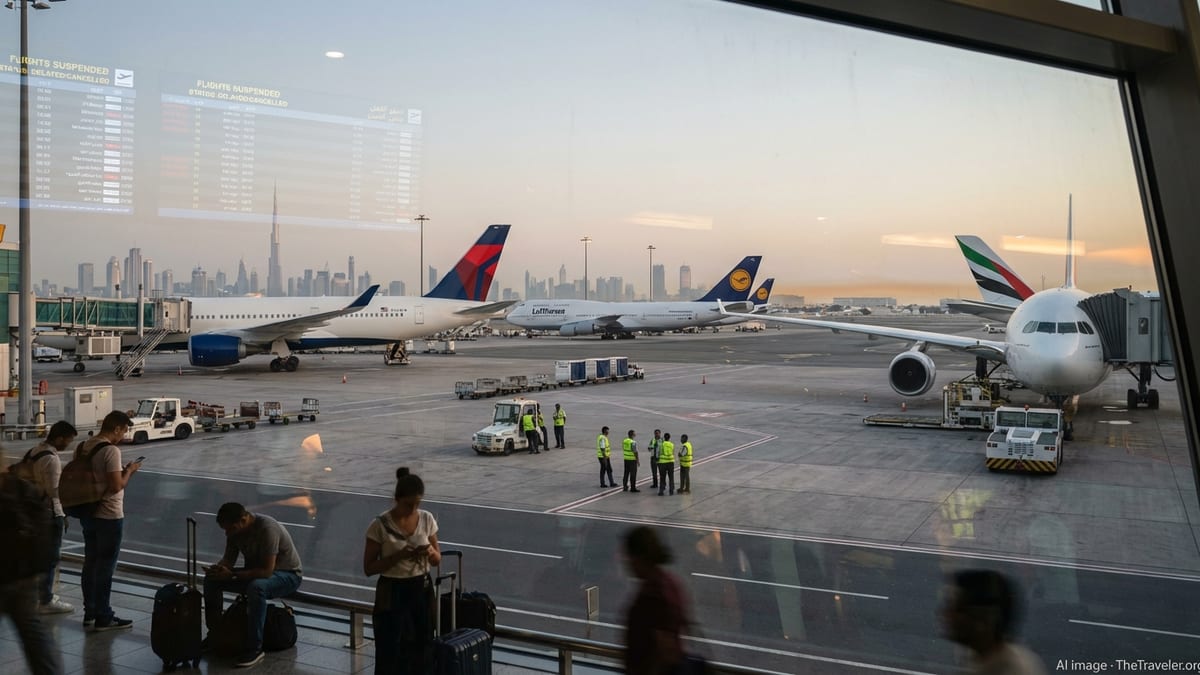
Fuel supplies under strain as Strait of Hormuz crisis deepens
Publicly available information shows that the month old conflict involving the United States, Israel and Iran has choked off tanker traffic through the Strait of Hormuz, a key route for oil and refined products. Analysts note that Europe relies heavily on jet fuel shipped from the Persian Gulf, leaving the region particularly exposed as flows are disrupted and prices surge.
Industry data cited in recent coverage indicates that roughly a quarter of Europe’s jet fuel normally originates from the Gulf region. With shipments constrained, refiners and traders have scrambled to secure alternative supplies from the United States and Asia, but observers say replacement volumes so far fall short of what is needed to cover the shortfall.
The squeeze comes on top of longer flight routings to avoid conflict airspace, which are adding to fuel consumption. According to broader economic analysis of the Iran war, airlines worldwide are already facing higher operating costs from elevated oil prices and extended flight times, pushing up pressure on fares and margins.
Market observers point out that jet fuel can account for around a quarter of an airline’s operating expenses. A sustained jump in prices and any physical shortage of supply would therefore have an outsized impact on carriers with dense summer schedules across Europe’s leisure markets.
Ryanair flags risk of summer cancellations if war drags on
Against this backdrop, Ryanair chief executive Michael O’Leary has warned in multiple media interviews that the airline and its rivals may have to consider cancelling flights if the conflict continues into late spring and early summer. Reports indicate that the carrier sees potential disruption to jet fuel supplies from June onward if the Strait of Hormuz remains effectively closed.
According to recent coverage in European business and travel outlets, Ryanair estimates that up to 20 to 25 percent of its jet fuel supply could be at risk should the Iran war and related shipping restrictions persist into May and June. The airline is currently operating its full schedule, but it has begun openly discussing contingency plans for the peak holiday period.
In one widely cited television appearance, O’Leary suggested that if fuel shortages materialise, European airlines might be forced to cut 5 to 10 percent of scheduled flights through May, June and July. Aviation analysts say any such reductions would likely be concentrated at airports where fuel availability tightens, rather than evenly spread across networks.
For Ryanair, which relies on high aircraft utilisation and dense frequencies to maintain its low cost model, even a modest cut in operations would mark a significant shift from its usual growth focused strategy. The airline has spent recent years expanding capacity into key holiday destinations across Spain, Italy, Greece and other Mediterranean markets.
Hedging cushions the blow but cannot remove fuel risk
Ryanair has stressed that it is relatively well protected from immediate price shocks thanks to extensive fuel hedging. According to comments highlighted in recent financial and aviation press reports, the carrier has secured around 80 percent of its fuel needs at fixed prices until March 2027, limiting the near term impact of market volatility on most of its consumption.
However, hedging does not eliminate exposure to physical shortages or price spikes on the remaining unhedged portion. Coverage of O’Leary’s latest remarks indicates that Ryanair is paying significantly higher prices, close to double previous levels, on the 20 percent of fuel that is not locked in. If supply disruptions worsen, that uncovered share could become more expensive or harder to source.
Industry analysts also note that hedging arrangements do not guarantee delivery in the event of a severe logistical crunch. If refineries or shipping lanes are unable to move sufficient product into Europe, even airlines with strong financial protection may find that actual fuel volumes at specific airports are constrained, forcing operational decisions such as consolidating services or cancelling flights.
Ryanair has said in recent statements cited by European media that it remains in daily contact with fuel suppliers and currently expects its operations to be covered through at least the end of May. The airline continues to emphasise that no flights have been cancelled so far as a direct result of the Iran war fuel shock.
Potential impact for UK and southern European holiday routes
Travel industry coverage suggests that the United Kingdom and popular sun destinations in Spain and the wider Mediterranean could be among the most exposed markets if jet fuel shortages materialise. Several reports highlight that regional airports, which often depend on a limited number of fuel providers, may find it harder to secure supplies than major hubs.
In the UK, some smaller carriers have already begun trimming schedules in response to soaring fuel costs and weakening demand linked to the conflict. Recent reporting shows that regional airlines have reduced services on certain domestic routes, while larger groups continue to monitor fuel availability at key airports.
For Spain and other southern European destinations, the main concern is the peak summer season. Tourism outlets point out that Ryanair is a leading carrier for British and northern European holidaymakers heading to islands such as Mallorca and to coastal regions along the Mediterranean. Any cuts to capacity in June, July or August could put pressure on remaining seats and airport infrastructure.
Local business press in Spain has also underlined broader worries about the impact on regional economies that rely heavily on inbound air travel. A sustained period of reduced frequencies or higher prices on routes from northern Europe could weigh on hotel occupancy, hospitality revenues and seasonal employment in resort areas.
Passengers face higher fares and growing uncertainty
While Ryanair maintains that it has yet to cancel flights because of the fuel crisis, passengers are already feeling the effects of the Iran war in their travel budgets. Recent analyses by travel and financial publications indicate that average summer airfares across key markets have climbed compared with last year, reflecting both higher fuel costs and the potential for constrained capacity.
Consumer data firms cited in recent coverage report that ticket prices for the upcoming peak season are running well ahead of 2025 levels on many routes. Airlines across Europe and North America are signalling that they may need to pass at least part of their higher fuel bills on to customers, particularly on leisure routes where demand remains resilient.
At the same time, uncertainty over potential cancellations is beginning to filter into booking decisions. Travel experts quoted in various reports note that some passengers are weighing whether to book earlier to lock in prices or wait for clearer signals on how the fuel situation will develop. Industry watchers say that if a wave of cancellations were to materialise later in the spring, rebooking pressure could intensify on remaining flights.
For now, publicly available information shows that Ryanair continues to operate a growing schedule, with recent traffic figures still pointing to year on year increases. However, the airline’s warnings about the risks posed by the Iran war fuel shock underscore how quickly conditions could change if the conflict continues to disrupt global energy flows into the early summer months.