

More news on this day
Summer air travel across Europe faces fresh uncertainty as Ryanair’s chief executive warns that the low cost giant will “have to” cancel flights, raising the prospect of widespread disruption just as peak holiday season approaches.
Get the latest news straight to your inbox!
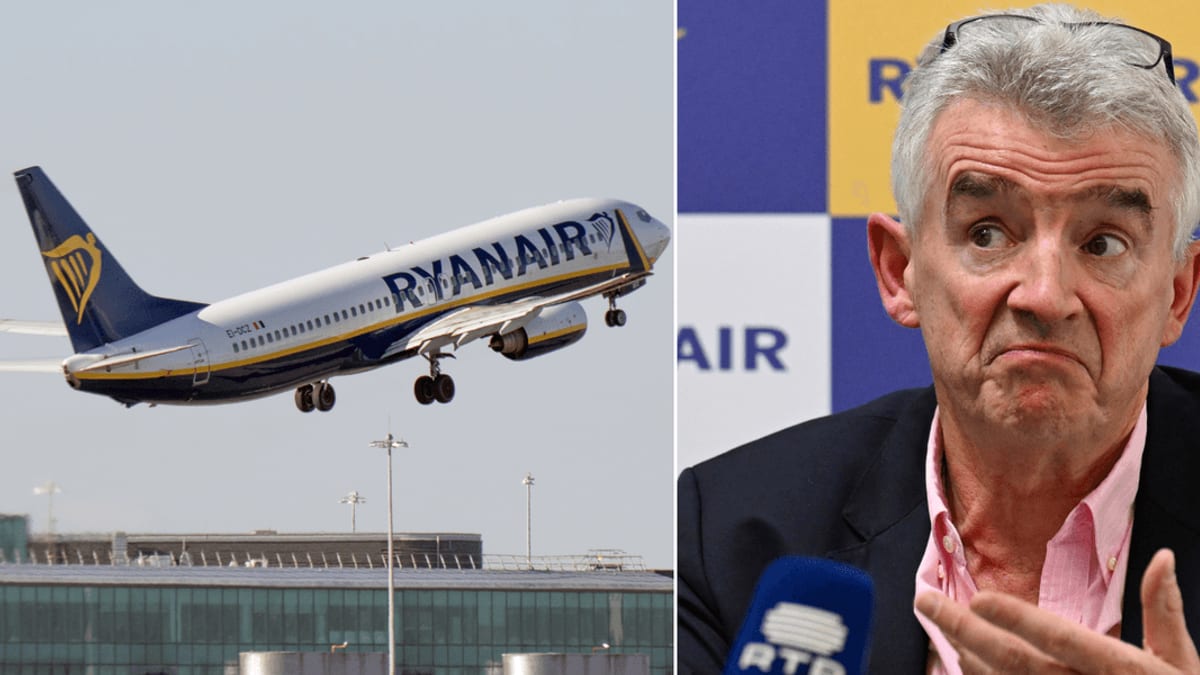
Image by gbnews.com
Carrier flags risk of cancellations despite robust demand
Publicly available financial and industry updates indicate that Ryanair is heading into the 2026 peak season with strong bookings across much of its European network, reflecting sustained demand for low cost travel. At the same time, the airline’s leadership has begun to temper expectations, cautioning that schedules may need to be trimmed and some journeys axed even as planes remain largely full.
Comments attributed to chief executive Michael O’Leary in recent coverage suggest that the airline expects to remove flights where operational pressures or external constraints make its planned programme unrealistic. In previous years, Ryanair has typically entered the summer with an aggressive growth schedule, then pared back frequencies or entire rotations in response to bottlenecks such as air traffic control disruption or airport staffing shortages.
The warning places holidaymakers on alert for another volatile summer after several seasons marked by rolling delays, last minute cancellations and industrial action around Europe. While Ryanair continues to market record capacity and low fares on many routes, its latest messaging points to a deliberate strategy of cutting weaker or higher risk flights early in order to protect the core schedule.
Industry analysts note that the combination of high demand and constrained capacity can intensify disruption when things go wrong. If Ryanair removes aircraft or frequencies from particular bases, passengers on remaining services may find it harder to secure alternative seats on the same day when cancellations occur.
Aircraft delivery delays and operational constraints bite
Ryanair’s own corporate disclosures over the past two years have highlighted persistent challenges around aircraft availability, particularly linked to delayed deliveries from Boeing and the knock on effect on fleet planning. Earlier guidance repeatedly stressed the importance of receiving additional 737 aircraft well ahead of summer so they could be brought into service, trained and positioned before the busiest travel weeks.
According to recent investor material, the airline has sought to accelerate deliveries in the winter months specifically to avoid a repeat of previous summers in which late arriving jets forced last minute schedule changes. However, the global backdrop of constrained manufacturing capacity and regulatory scrutiny of new aircraft types has left little margin for error, and Ryanair has repeatedly signalled that any slippage can quickly translate into trimmed growth targets or targeted flight cuts.
Operational pressures extend beyond the fleet itself. Public reporting across multiple seasons shows that air traffic control staffing deficits, particularly in parts of France, Spain, Italy and Greece, have contributed to extended delays and cancellations for many European carriers. Ryanair has frequently published its own league tables of delay hotspots, arguing that structural shortcomings in some control centres create systemic risk during peak travel weeks.
These factors together create conditions in which even modest shortfalls in aircraft or crew can ripple across the network. Industry specialists suggest that Ryanair’s latest warnings about necessary cancellations are partly a recognition that the airline must build more slack into its timetable to avoid prolonged knock on disruption from inevitable localised problems.
Impact on key holiday routes and regional airports
Ryanair has previously focused seasonal cuts on a mix of marginal routes, politically sensitive markets and airports where taxes or charges have risen. Recent examples in published reports include reductions in capacity in Belgium following tax increases, and adjustments to operations at Israeli gateways amid heightened geopolitical risk and weaker demand.
This pattern suggests that any summer 2026 cancellations are likely to concentrate on routes with thinner demand, higher operating costs or particular exposure to airspace and staffing disruptions. Secondary airports that rely heavily on Ryanair for tourist traffic could be especially vulnerable, as even the withdrawal of one based aircraft can remove dozens of weekly departures and arrivals.
Passengers booked on Mediterranean leisure routes may also feel the effects. Public coverage in recent years has documented how French air traffic control strikes and congestion over southern Europe have repeatedly disrupted flights to Spain, Portugal, Italy and Greece. When the airline anticipates repeated bottlenecks on such corridors, it has tended to thin frequencies or adjust departure times, a strategy that can still lead to outright cancellations on lower priority rotations.
Travel industry observers point out that these decisions have knock on consequences for local economies that depend on budget airline links. Hotels, restaurants and tour operators planning for a busy season may find demand softening if flights are withdrawn or schedules become less convenient, particularly where Ryanair is the only major low cost operator.
What summer travellers can expect and how to prepare
The prospect of planned cancellations adds another layer of uncertainty for travellers already wary after several summers marked by queues, schedule changes and last minute notifications. Consumer advocacy organisations and travel agents increasingly advise passengers to assume a degree of volatility in peak season and to build extra time and flexibility into their itineraries.
Published guidance from aviation regulators and passenger rights organisations reiterates that European rules require airlines to offer rerouting or refunds when flights are cancelled, although compensation may depend on the cause and notice period. In practice, however, securing same day alternatives at the height of summer can be difficult when most departures are already full.
Experts cited in recent travel coverage recommend that Ryanair customers monitor their bookings closely in the weeks before departure, paying attention to any schedule adjustments communicated through the carrier’s app or email updates. Booking the first flight of the day on a given route, allowing long connection times for events or cruises, and avoiding tight self connections between separate tickets are commonly suggested strategies to reduce the impact of disruption.
Travel insurance tailored to flight disruption, along with flexible accommodation and car hire arrangements, can also help mitigate financial risks. While Ryanair’s warning about necessary cancellations may be framed as a pragmatic response to operational realities, for passengers it reinforces the importance of planning for contingencies during what is likely to be another crowded and occasionally chaotic European summer in the skies.