

More news on this day
Passengers traveling through São Paulo Guarulhos International Airport on April 4 faced mounting disruption as publicly available data showed 55 delayed flights and four cancellations affecting domestic routes and long haul services to Paris, New York, London, Buenos Aires and other major cities.
Get the latest news straight to your inbox!
Operational Strain at Brazil’s Busiest International Hub
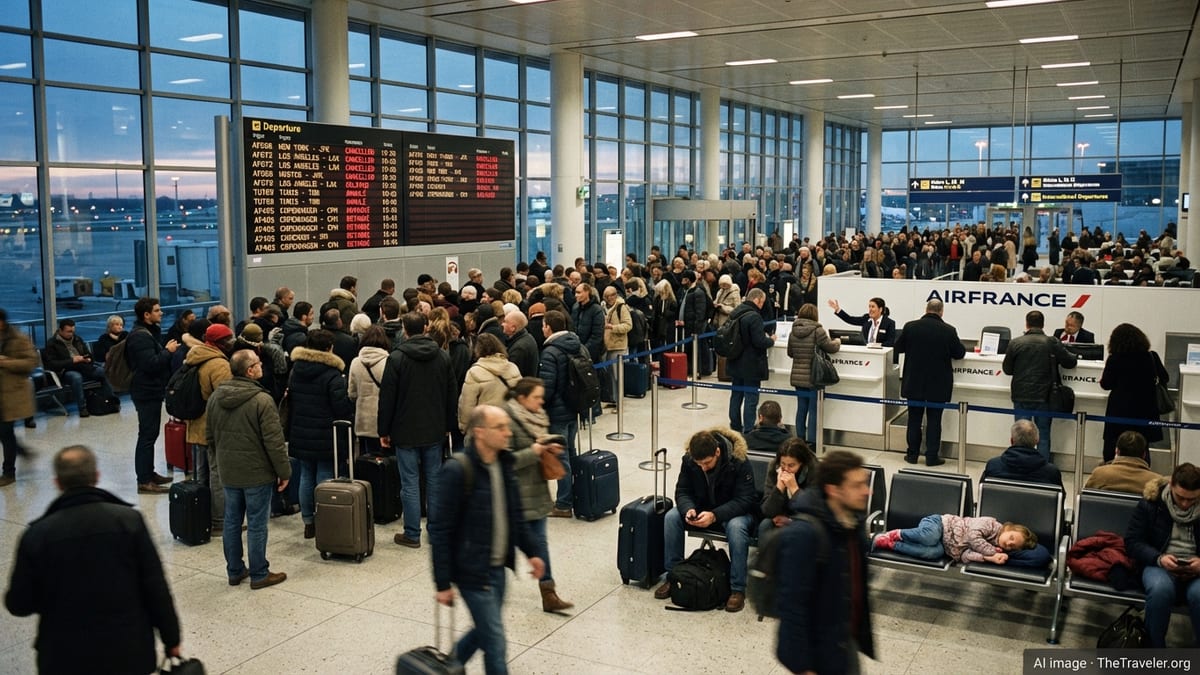
São Paulo Guarulhos, Brazil’s primary international gateway and one of Latin America’s busiest airports, experienced a fresh wave of disruption on Saturday as a cluster of delayed and canceled flights rippled across airline networks. Aggregated flight-status platforms tracking the airport’s performance indicated that 55 flights were operating behind schedule and four had been canceled, leaving travelers in crowded departure areas and at jammed customer service desks.
The disruption affected both domestic departures within Brazil and international connections to major long haul markets. Services operated by LATAM Brasil, GOL Linhas Aéreas, Azul Linhas Aéreas Brasileiras and several foreign carriers showed knock on impacts, with aircraft departing late from Guarulhos or arriving significantly behind schedule into onward hubs.
Published analysis focused on Guarulhos in recent days has highlighted how even a relatively modest number of cancellations can have outsized effects at a tightly scheduled hub, particularly during weekends when leisure and visiting friends and relatives traffic is strong. As aircraft and crews go out of sequence, delays can propagate across the day’s rotations and into the following morning, extending the disruption window for passengers.
Travel and aviation monitoring outlets noted that the elevated delay count on April 4 at Guarulhos followed a broader pattern of irregular operations at major global hubs during the early spring travel period, though the specific combination of domestic and long haul traffic at GRU makes it particularly vulnerable to knock on effects.
Long Haul Links to Europe and North America Affected
Publicly available schedules show that Guarulhos anchors key long haul links from Brazil to Europe and North America, including nonstop and connecting services to Paris, New York and London. On April 4, delays at GRU translated into late departures and arrivals on several transatlantic and transcontinental routes, complicating connections on both ends of the journey.
Industry data providers tracking day of operations at Guarulhos listed international flights among those running late, including departures used by travelers heading to and from major hubs in France, the United States and the United Kingdom. While not every long haul service was directly canceled, accumulative departure delays of one to several hours raised the risk of missed onward connections at intermediate hubs, particularly for itineraries involving multiple carriers.
Travel planning advisories circulating on consumer platforms pointed out that Brazil to Paris and Brazil to New York itineraries frequently involve tightly timed transfers either at Guarulhos or at European and North American connection points. When a departure from São Paulo leaves late, it can fall outside standard connection windows, forcing rebooking or overnight stays.
Published coverage on broader spring 2026 disruptions at other airports, such as recent events at Chicago O’Hare and Boston Logan, has underscored how late evening long haul departures are especially sensitive to schedule slippage. Similar dynamics were visible at Guarulhos, where an evening wave of intercontinental flights must line up with restricted nighttime slots at constrained overseas hubs.
Regional Links to Buenos Aires and South American Gateways
Beyond Europe and North America, the April 4 disruption also registered on regional routes that connect São Paulo with neighboring capitals and secondary cities, including Buenos Aires. Regional services between Guarulhos and Argentine airports such as Aeroparque Jorge Newbery play a central role for business travelers and tourists moving between Brazil and Argentina, and delays on these links quickly affect same day plans.
Flight tracking portals monitoring the São Paulo to Buenos Aires corridor showed a mix of on time and delayed operations from carriers including LATAM and GOL. With Guarulhos acting as both an origin and transit point for these flights, upstream delays on feeder services within Brazil increased the likelihood of late pushbacks on outbound legs to Argentina.
Travel forums and recent passenger accounts about connecting through Guarulhos emphasize how tight regional connections can become precarious when inbound flights are held on the ground or placed in holding patterns. On days like April 4, even minor deviations from schedule can translate into missed flights for travelers attempting to connect from domestic services to regional departures toward the Southern Cone.
Analysts following South American aviation performance note that regional routes, while shorter than long haul services, are crucial for maintaining network connectivity. A delay or cancellation on a São Paulo to Buenos Aires flight can force airlines to reposition aircraft and crews, complicating operations well beyond the immediate city pair.
Runway Works and Capacity Constraints Extend Disruption Window
Recent coverage focused on Guarulhos has pointed to ongoing runway maintenance and infrastructure works as an important factor behind current operational strain. Publicly available information referenced by travel industry outlets indicates that major works at the airport are scheduled to continue into April 2026, temporarily limiting runway availability and constraining peak hour capacity.
When weather, air traffic control flow measures or minor technical issues arise against this reduced capacity backdrop, schedule resilience declines and small irregularities can generate disproportional disruption. The pattern observed on April 4, with dozens of delayed flights and a smaller number of outright cancellations, reflects how airlines often attempt to preserve as much of the schedule as possible, compressing turnaround times and shifting departure slots within the day.
Historical traffic bulletins on Brazilian and international air travel trends describe Guarulhos as handling tens of millions of passengers annually, with a high concentration of movements during morning and late evening banks. During infrastructure work periods, these banks can become pinch points in which a single disruption event, such as a runway inspection extension or inbound weather cell, pushes multiple departures outside their planned windows.
Observers of airport capacity management suggest that until runway works ease, Guarulhos will remain susceptible to days of elevated delays like those seen on April 4, particularly during busy travel weekends and school holiday periods when demand is strongest.
What Travelers Can Do When Flying Through GRU
In the wake of Saturday’s disruption, consumer travel resources reiterated standard guidance for passengers passing through Guarulhos while runway works and periodic irregular operations continue. These advisories recommend building extra buffer time into itineraries and avoiding minimum legal connection times when possible, especially for journeys that rely on separate tickets or interline agreements between carriers.
Publicly available advice from flight compensation and passenger rights organizations stresses the importance of monitoring flight status in real time through airline apps and airport information displays. When delays become evident, travelers are encouraged to seek written confirmation of disruption, keep receipts for meals and accommodation, and review local and international regulations governing care and reimbursement.
Travel discussion boards focused on Brazil report that experienced flyers at Guarulhos increasingly favor earlier departures in the day and longer connection windows, giving themselves greater flexibility to absorb delays without missing onward flights. For long haul trips to destinations such as Paris, New York and London, some passengers have shifted to itineraries with overnight buffers in hub cities to reduce the risk of losing nonrefundable hotel nights or tour bookings.
As Guarulhos navigates runway works and heightened demand, April 4 stands as another example of how quickly conditions can deteriorate at a major hub. While only a handful of flights were formally canceled, the combination of 55 delays and the complex web of connections they support left many travelers facing disrupted plans far beyond the airport perimeter.