

More news on this day
Travelers across northern and western Europe faced significant disruption on April 6 as SAS and Icelandair cancellations and delays rippled through major hubs including Oslo, Copenhagen, Reykjavik, Stockholm, London and Paris, leaving passengers stranded and struggling to rebook at the start of the busy spring travel period.
Get the latest news straight to your inbox!
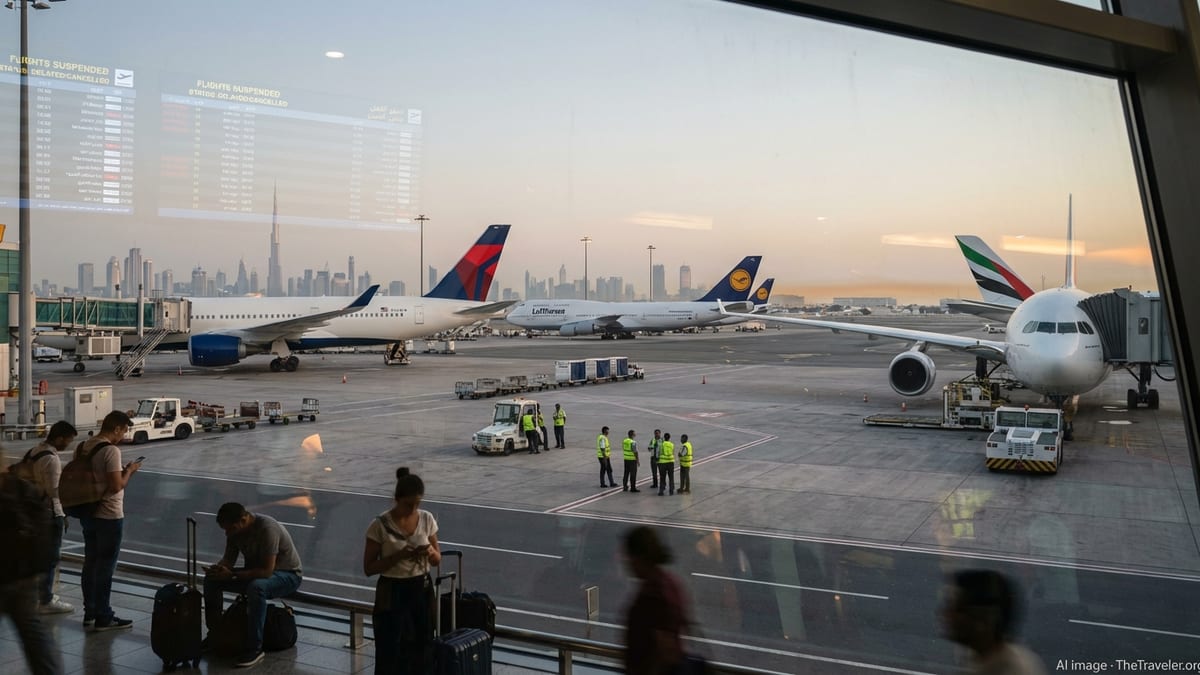
Wave of Disruptions Hits Nordic and Western European Hubs
Publicly available flight tracking data for April 6 indicates that a fresh wave of operational disruption affected SAS and Icelandair services across several European countries, with a combined 26 flights canceled and at least 34 delayed on routes touching the United Kingdom, Germany, France, Sweden, Italy, Denmark and Iceland. The impact was most visible at the carriers’ core hubs in Oslo, Copenhagen, Reykjavik and Stockholm, but knock-on delays were also recorded at London and Paris as aircraft and crews fell out of position.
While the affected flights represent a fraction of total daily traffic, their concentration on key intra-European links amplified the chaos. Cancellations on trunk routes such as Oslo to Copenhagen, Copenhagen to London and Reykjavik to major mainland gateways left some travelers without same day alternatives. Delays on connecting services added further complications for long haul passengers who rely on Nordic hubs for onward journeys to North America and Asia.
Published coverage over recent days points to a broader pattern of instability across European air travel. Reports of large numbers of delays and cancellations in Spain, Italy, the United Kingdom, the Nordic region and the Netherlands have highlighted how even limited schedule changes by hub carriers can cascade across the network, stranding passengers far from their original departure points.
Operational data for other airports on April 5 and 6, including Copenhagen and Stockholm, also shows elevated levels of disruption affecting multiple airlines. In that context, the latest SAS and Icelandair issues appear as part of a wider episode of strain on European aviation rather than isolated incidents affecting only two carriers.
Oslo, Copenhagen and Stockholm Bear the Brunt
Scandinavian hubs once again sat at the center of the disruption. In Norway, Oslo Gardermoen has already seen a high number of delays and cancellations over the first weekend of April, and new cancellations by SAS on April 6 added to the backlog of disrupted itineraries. Travelers connecting through Oslo toward the United Kingdom, Germany and southern Europe were among those most exposed to missed onward flights.
In Denmark, Copenhagen Airport recorded dozens of delays and nearly 30 cancellations on April 6, according to aviation and travel industry reporting, with SAS and other carriers affected. Routes linking the Danish capital to regional cities such as Aalborg, Kristiansand and Stavanger, as well as international services to London and other major European hubs, saw schedules slip by hours in some cases, forcing passengers to queue for rebooking and overnight accommodation.
Sweden also reported heightened disruption, with Stockholm Arlanda and Gothenburg Landvetter experiencing multiple cancellations and a significant number of delayed departures and arrivals. Recent data highlights SAS among the carriers most exposed to these Swedish disruptions, alongside other European airlines, compounding the difficulties already faced by travelers originating in or connecting through the Nordic region.
These Scandinavian disruptions have been unfolding against a backdrop of wider schedule reductions at SAS. The airline has previously announced that it will cancel at least 1,000 flights in April due to sharply higher fuel costs, and that structural decision has reduced slack in the system. When day of operation disruptions arise, there are fewer alternative departures available, increasing the likelihood that passengers will be stranded or forced into long detours.
Reykjavik and Icelandair Feel Network Pressure
Reykjavik, a critical transatlantic bridge for Icelandair, also felt the strain. The carrier’s cancellations and delays on April 6 disrupted links between the Icelandic capital and major European cities, including those in the United Kingdom, Germany and the Nordic countries. For many North American travelers, Reykjavik serves as a vital connection point into continental Europe, so even a small number of cancellations can cause disproportionately large travel headaches.
Recent reports of Icelandair disruption this winter and spring, including weather related delays and cancellations on routes from the United Kingdom and mainland Europe, underline the vulnerability of Reykjavik’s hub model to operational shocks. When flights into Iceland run late or are canceled, passengers risk missing onward transatlantic connections, often resulting in overnight stays and rebooked itineraries that arrive a full day or more behind schedule.
On April 6, publicly available information suggests that Icelandair’s delayed operations contributed to tight connection windows in Reykjavik, with passengers bound for North America and northern Europe facing queues at transfer desks and uncertainty about their onward journeys. Where SAS services also feed into or intersect with Reykjavik routings, disruption at one carrier can complicate recovery for the other, particularly when spare seats are limited during busy travel periods.
Although the headline figure of 26 cancellations may appear modest when set against overall daily movements, the specific role of Reykjavik in long haul itineraries and the timing at the start of the spring tourism build up greatly magnified the impact on those affected.
Knock-on Effects in London, Paris and Other Gateways
The latest SAS and Icelandair issues did not remain confined to northern Europe. Operational data and travel industry reporting indicate that London area airports and Paris Charles de Gaulle also registered disruption linked to late arriving or canceled aircraft from Scandinavian and Icelandic hubs. Passengers connecting via London to reach destinations in North America, Africa or the Middle East were among those who had to be rebooked after missing their onward flights.
In the United Kingdom, London Heathrow and other major airports have already been coping with elevated delay levels, as shown in recent day by day breakdowns of European operations. When additional cancellations arise on feeder routes from Oslo, Copenhagen, Stockholm or Reykjavik, ground handlers and airline customer service teams at London airports face fresh surges in demand from stranded travelers seeking alternative options.
Paris has experienced similar pressures, with previously reported delays and cancellations tied to wider European airspace constraints and weather systems. Late arriving aircraft from Scandinavia or Iceland can quickly upset carefully balanced slot timings at Charles de Gaulle, forcing airlines to adjust rotations and sometimes choose between delaying multiple departures or canceling one leg entirely to reset the schedule.
Beyond these headline hubs, disruptions on April 6 also had repercussions in secondary markets in Germany, Italy and France, where SAS and Icelandair operate seasonal or lower frequency services. For passengers in these cities, a single cancellation can mean a lengthy wait for the next available flight or a complicated rerouting across several carriers and airports.
Passenger Rights and What Travelers Can Do
The latest wave of cancellations and delays once again highlights the importance of understanding passenger rights in Europe. Under European Union and aligned regulations, travelers facing significant disruption on eligible flights may be entitled to care such as meals and accommodation, rebooking on the next available service and, in some circumstances, financial compensation. Eligibility depends on factors such as the departure airport, operating carrier, cause of disruption, length of delay and total distance flown.
Airlines including SAS publish guidance pages summarizing how they handle canceled flights, refund options and assistance, while consumer rights organizations and national aviation regulators provide more detailed explanations of the rules. Publicly available information notes that if a carrier cannot offer a same day alternative, passengers may under certain conditions seek reimbursement for reasonable costs incurred in arranging their own onward travel, subject to documentation and fare rules.
Travel industry experts regularly advise passengers to keep boarding passes, booking confirmations and receipts for any extra expenses arising from disruption, and to submit claims promptly through official airline channels or designated complaint portals. In complex cases involving multiple carriers or missed connections via third countries, specialist passenger rights services and ombudsman style bodies can sometimes help interpret how the rules apply.
For travelers yet to depart, the ongoing instability across parts of the European network suggests that checking flight status frequently in the 24 hours before travel remains prudent, particularly on routes touching Oslo, Copenhagen, Stockholm, Reykjavik, London and Paris. Flexible tickets, travel insurance that specifically covers delays and cancellations, and allowing extra time for connections can all help reduce the risk of being left stranded when schedules suddenly change.