

More news on this day
Saudi Arabia has joined the United Arab Emirates, Qatar, Kuwait, Oman and Bahrain in advancing a coordinated push to stabilise and grow the Gulf Cooperation Council tourism sector, backing unified strategies on visas, infrastructure and crisis resilience to position the bloc as a single, competitive destination.
Get the latest news straight to your inbox!
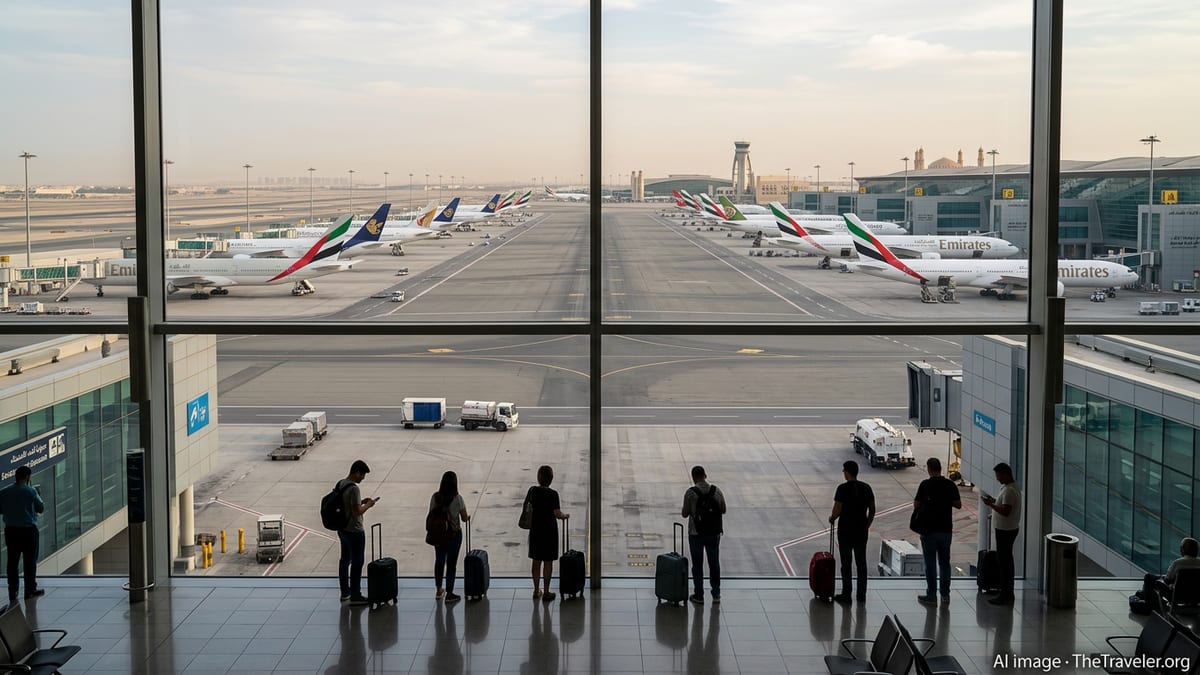
Joint GCC Commitment to Tourism Stability and Growth
A recent joint statement from the Gulf Cooperation Council highlighted a renewed commitment by all six member states to reinforce the stability of the regional tourism sector, underlining tourism as a key pillar of economic diversification and employment across the bloc. Publicly available information shows that Saudi Arabia is now closely aligned with the United Arab Emirates, Qatar, Kuwait, Oman and Bahrain on shared objectives for growth, crisis preparedness and quality standards in travel and hospitality.
The six governments are seeking to balance ambitious visitor targets with safeguards that can cushion the sector against external shocks. Published coverage describes a focus on maintaining capacity and service levels through global demand swings, while avoiding overreliance on a narrow set of source markets or event-driven traffic. The approach is framed as a progression from post-pandemic recovery to long-term resilience for Gulf tourism.
Regional analyses indicate that tourism already accounts for a growing share of non-oil GDP across the GCC, with Saudi Arabia and the UAE driving large-scale investment in leisure, culture, nature and sports projects. Recent outlook reports point to rising intra-GCC travel and forecast steady gains in international arrivals as new attractions, airports and cruise facilities come online.
Unified Tourist Visa and Integrated Travel Experience
At the heart of the unified tourism vision is the GCC Grand Tours Visa, a Schengen-style permit approved at ministerial level and widely expected to reshape travel around the Gulf. According to published coverage, the unified visa is designed as a short-stay document that would allow visitors to move between Saudi Arabia, the UAE, Qatar, Kuwait, Oman and Bahrain on a single application, simplifying multi-country itineraries and extending average length of stay.
Industry-focused briefings suggest that the visa is now tracking toward a 2026 launch, following earlier expectations for a 2025 pilot. Reporting on recent tourism and investment forums in the region indicates that technical work is progressing on shared platforms, security protocols and data systems required to operate the common permit. Once implemented, the scheme is anticipated to increase cross-border mobility and encourage travellers to view the GCC as a single, interconnected destination rather than six separate stops.
Tied to the visa, GCC states are also working on a more seamless travel experience, from coordinated air schedules to interoperable digital services. Commentaries from aviation and hospitality analysts highlight the role of hub airports in Dubai, Doha and Riyadh, along with planned rail links and upgraded land borders, in supporting the unified tourism proposition.
Saudi Arabia Aligns Vision 2030 with GCC Tourism Strategy
Saudi Arabia’s support for unified GCC tourism plans is closely linked to its Vision 2030 agenda, which targets a major increase in international and domestic visitors alongside expansions in hospitality, entertainment and heritage conservation. Sector outlook studies show that Saudi Arabia is investing in giga-projects such as new coastal resorts, cultural destinations and sports-focused districts intended to attract regional and global travellers.
By aligning with GCC-wide initiatives, Saudi Arabia is positioned both as an anchor market and a central hub within a broader Gulf tourism circuit. Publicly available reports on the GCC Tourism Strategy indicate that shared objectives include raising total visitor numbers, boosting per-visitor spending and creating more year-round tourism demand, in which Saudi Arabia’s large domestic population and religious tourism assets play a prominent role.
Analysts note that closer coordination with neighbouring states also supports risk-sharing and demand smoothing. When major events in one Gulf city or country drive seasonal peaks, coordinated marketing and connectivity can help disperse visitors across the region, filling hotel rooms and attractions in adjacent markets and reducing volatility for operators.
Resilience, Diversification and Crisis Preparedness
Beyond headline projects, the GCC tourism agenda increasingly emphasises resilience and risk management. Research on regional development trends points to lessons learned from the pandemic period, in which border closures and travel disruptions had an outsized impact on tourism-dependent economies. In response, the six states are placing greater weight on diversified source markets, domestic tourism and flexible regulatory frameworks that can be adjusted quickly in times of stress.
According to recent policy summaries and industry reports, GCC tourism authorities are working to strengthen health and safety protocols, crisis communication mechanisms and data-sharing arrangements that can help the sector respond more coherently to future shocks. A unified approach is viewed as particularly important for cruise itineraries, large-scale events and multi-country tour packages that span more than one Gulf state.
Economic studies on the GCC note that tourism links closely with broader diversification goals in retail, culture, transport and technology. Investments in smart destinations, digital payments, artificial intelligence and sustainability standards are being framed as tools not only for growth, but also for building a sector that can continue operating under changing global conditions.
Shared Opportunities Across the Six Gulf States
As Saudi Arabia, the UAE, Qatar, Kuwait, Oman and Bahrain deepen coordination, tourism stakeholders across the region are positioning to capture the benefits of a more integrated market. Publicly available commentary from hotel groups, airlines and tour operators indicates strong interest in multi-country products that leverage the unique strengths of each destination, from Saudi Arabia’s heritage sites and nature reserves to the UAE’s urban attractions, Qatar’s cultural offerings, Oman’s landscapes, Bahrain’s heritage districts and Kuwait’s business hubs.
Analysts forecast that a unified tourism space could help spread investment more evenly across the bloc, encouraging development in secondary cities and emerging destinations alongside established hubs. With the GCC unified visa, improved connectivity and harmonised standards, the region is aiming to convert its proximity, infrastructure and relative political stability into a long-term competitive advantage in global tourism.
While implementation milestones, particularly for the common visa, will remain key markers to watch, the direction of travel is clear. The Gulf’s six states are increasingly treating tourism as a shared strategic asset, with Saudi Arabia’s active role in unified planning reinforcing a collective bid to build a more stable, resilient and attractive GCC tourism sector.