

More news on this day
SeaDream Yacht Club is dramatically widening its global footprint, announcing plans to add 27 new ports of call in 2027 and at least 28 more in 2028, a strategic expansion that positions the boutique luxury line to capture a growing share of Mediterranean and Caribbean cruise tourism.
Get the latest news straight to your inbox!
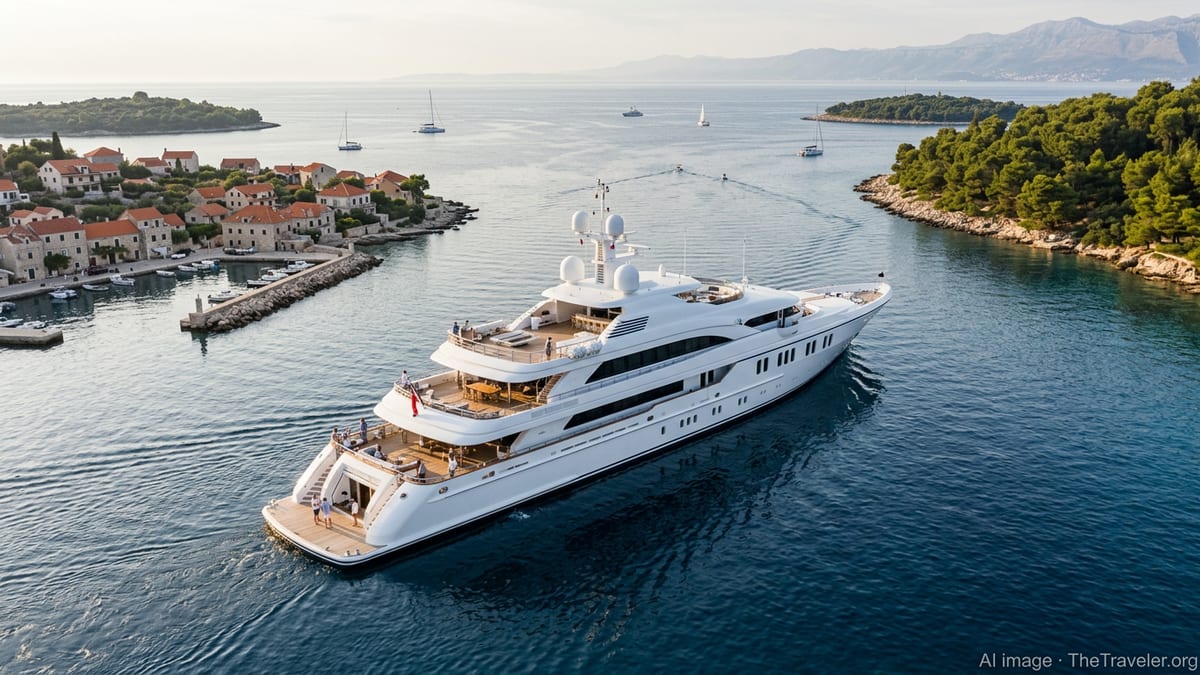
Multi‑Year Expansion Signals Confidence in Boutique Yachting
Unveiled this week in Miami, the expansion plan marks SeaDream’s most ambitious deployment to date, layering more than 55 new ports over two years onto itineraries already praised for their intimate, yacht‑style cruising. The company says the fresh slate of destinations builds on momentum from its 2026 program and responds directly to rising demand for smaller ships and crowd‑free harbors.
In 2027 alone, SeaDream will add 27 new ports spread across Northern Europe, the British Isles and the Mediterranean, effectively tripling its voyage options compared with the previous year. Executives describe the move as a deliberate bet on “slow travel” at sea, with itineraries designed around extended evenings ashore, overnight stays and access to ports that are out of reach for large cruise vessels.
The growth trajectory continues in 2028, when at least 28 additional ports are scheduled to join the network, including a stronger presence in the Caribbean alongside new calls in the Mediterranean and Northern Europe. The line expects that number to rise further as more voyages are finalized and released to the market.
Industry analysts say the decision underscores how ultra‑small ships are becoming a key driver of premium cruise tourism, particularly in regions where capacity is constrained and overtourism pressures are forcing ports to favor lower‑impact operators.
Mediterranean Focus: From Iconic Harbors to Hidden Villages
The Mediterranean will absorb a significant share of SeaDream’s new calls, with 2027 and 2028 itineraries threading together marquee names and modest harbors along the coasts of Italy, France, Greece, Spain and the Balkans. The company is emphasizing lesser‑known marinas and fishing villages that fit the scale of its 112‑guest yachts while still offering strong air connections for international travelers.
Ports in the Adriatic and along the Dalmatian Coast are expected to benefit, with SeaDream highlighting destinations that pair historic old towns with easy access to beaches and national parks. The small size of SeaDream I and SeaDream II allows the line to dock closer to city centers or anchor directly off waterfront promenades, cutting tender times and turning even short calls into full days ashore.
Extended evening departures have become a hallmark of the brand’s Mediterranean programming, and the new ports are being slotted into schedules that keep ships in harbor well past sunset. That approach gives guests time to linger at seaside tavernas, attend local festivals and explore after day‑trip crowds have dispersed, an increasingly important differentiator in saturated destinations.
Travel advisors say this blend of familiar and fresh ports is particularly attractive to repeat cruisers who have already visited the region on larger ships and now want a more granular experience, from wine villages inland to small islands that rarely appear on mainstream cruise maps.
Caribbean Growth Targets High‑Yield Yachting Havens
While SeaDream’s 2027 expansion tilts toward Europe, 2028 will bring a sharper focus on the Caribbean, where the line plans to introduce new yachting harbors and marinas alongside its long‑running favorites. Recently announced spring 2028 programs already feature dozens of voyages centered on secluded bays, uninhabited cays and upscale resort communities.
Among the headline additions are new calls at boutique marinas in Barbados and Martinique, together with a refreshed line‑up of routes through the Grenadines, the Virgin Islands and the southern Caribbean. These itineraries are designed to maximize time at anchor in calm, clear waters, where guests can step directly from the yacht’s marina platform into the sea for swimming, snorkeling and water sports.
SeaDream is also leaning into its reputation for overnight stays at Caribbean hot spots, including multi‑day calls coinciding with high‑season celebrations. Extended visits in key ports are expected to have a measurable impact on local tourism receipts, as guests dine ashore, book independent excursions and spend more time in waterfront boutiques and bars.
For island destinations looking to pivot toward lower‑volume, higher‑spend visitors, the company’s small‑ship model offers a relatively light environmental footprint while delivering strong per‑capita spending, a combination that regional tourism boards have been actively courting.
Tripled Voyage Options and Strong Demand From Key Markets
SeaDream’s expanded deployment will translate not only into more ports but also into a denser calendar of sailings. The line projects that the 2027 schedule will nearly triple the number of voyages offered in some core regions compared with 2026, with itineraries ranging from week‑long getaways to longer, back‑to‑back combinations designed for extended travel.
North American guests, particularly from the United States and Canada, remain a critical source market for both the Mediterranean and Caribbean seasons. Travel partners report that interest is coming from experienced cruisers trading down in ship size, as well as from luxury land travelers who have been reluctant to try large vessels but are intrigued by the private‑yacht positioning of SeaDream’s fleet.
The company’s shore‑power upgrades and recent refurbishment program are also playing a role in demand, giving destination authorities and environmentally conscious travelers confidence that the additional port calls will align with increasingly strict emissions and sustainability requirements across Europe and the Caribbean.
With reservations already open for many 2027 and 2028 voyages, early booking patterns indicate strong uptake on itineraries that feature multiple new ports in a single sailing, suggesting that the promise of fresh destinations is resonating with the brand’s repeat guests and newcomers alike.
Strategic Implications for Cruise Tourism in Europe and the Americas
SeaDream’s expansion comes as ports across the Mediterranean tighten regulations on ship size, daily call limits and emissions, factors that are steadily reshaping deployment for the entire cruise industry. Smaller luxury lines are moving quickly to secure berths at high‑demand piers, and the addition of nearly 60 new ports through 2028 positions SeaDream as a more flexible partner for local authorities.
In practical terms, the move spreads cruise tourism more evenly across a larger number of communities, easing pressure on marquee destinations while directing visitor spending toward secondary ports and regional hubs. Cities and islands that previously saw few, if any, cruise calls now stand to gain a steady flow of high‑spend visitors arriving in small, manageable numbers.
In the Caribbean, where many islands are seeking to diversify beyond mass‑market day calls, SeaDream’s strategy aligns with efforts to promote boutique marinas, heritage towns and marine protected areas that favor lower‑impact operations. The company’s focus on overnight and late‑evening stays also dovetails with regional plans to grow nightlife, culinary tourism and cultural programming around the waterfront.
For travelers, the practical outcome is a wider map of options on both sides of the Atlantic. As 2027 and 2028 itineraries continue to roll out, the expanded SeaDream portfolio is expected to intensify competition in the ultra‑luxury and small‑ship segments, challenging rivals to push deeper into less‑visited ports across the Mediterranean and Caribbean.