

More news on this day
Singapore Airlines and Amadeus are deepening their collaboration around New Distribution Capability technology, positioning their joint platform as a powerful new engine for modern airline retailing and reshaping how global travelers shop, book, and manage flights.
Get the latest news straight to your inbox!
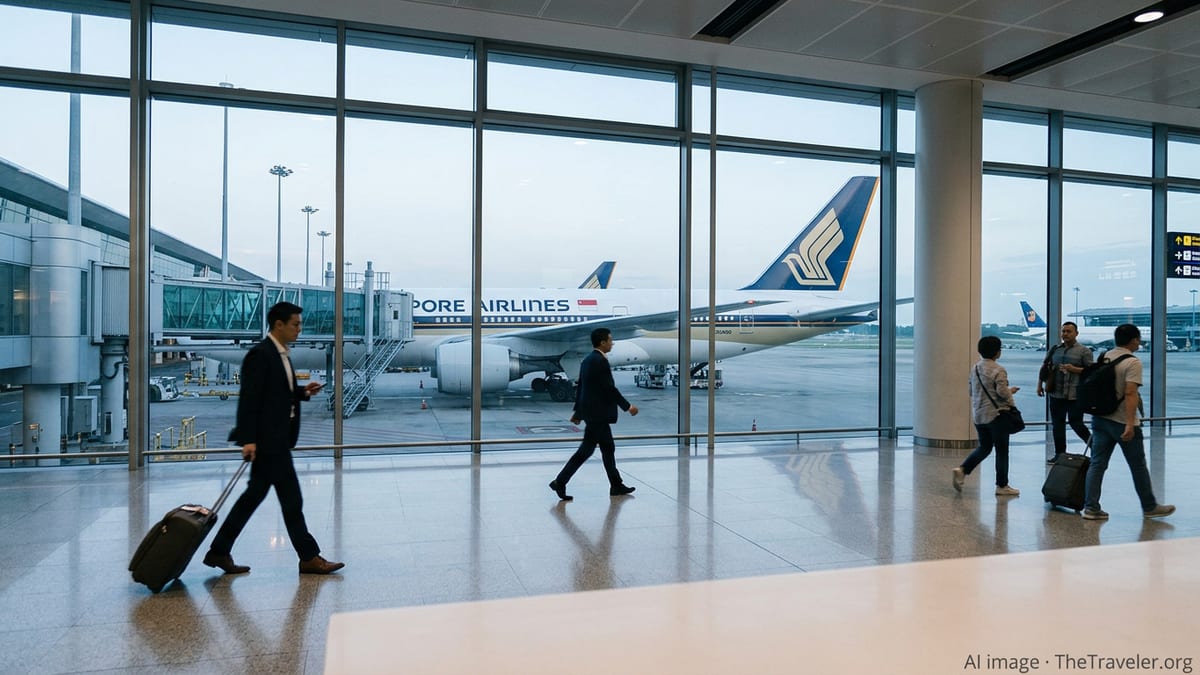
A Deeper NDC Alliance Behind Singapore Airlines’ Retail Shift
Publicly available information from Singapore Airlines’ developer portal indicates that the carrier’s NDC capabilities are built in conjunction with Amadeus, using IATA’s New Distribution Capability standard to modernize how offers are created and delivered across the travel value chain. The airline presents this NDC framework as the backbone of its KrisConnect program, designed to support richer content, bundled ancillaries, and more personalized fares for both leisure and corporate customers.
The Amadeus-backed NDC APIs give Singapore Airlines a way to move beyond traditional EDIFACT-based distribution, which has long constrained how airlines present their products through global distribution systems. By using modern APIs, the airline can push dynamic content such as branded fares, seat selections, and ancillary services directly into agency and corporate booking tools, narrowing the gap between its direct channels and intermediated sales.
According to Singapore Airlines’ own technical documentation, agencies connecting through these Amadeus-developed APIs can integrate content directly into their proprietary front ends or rely on Amadeus-powered tools to surface offers. This approach is being promoted as a route to faster product deployment, more consistent merchandising, and tighter integration of servicing features such as exchanges and additional ancillaries.
The deepening of this NDC link reflects a wider strategy by both companies to drive critical mass adoption of the standard. Singapore Airlines is listed among IATA’s NDC leaderboard carriers, while Amadeus has been positioning its travel platform as a hub that can aggregate and normalize NDC content from multiple airlines, making it more accessible to agencies worldwide.
How the Amadeus Connection Changes the Booking Experience
For travel agencies and corporate travel managers, the maturing connection between Singapore Airlines and Amadeus is intended to translate into a visibly different shopping and booking experience. Rather than pulling only static fare filings, NDC pipelines can deliver real-time offers that take into account inventory, cabin, and route, as well as bundled services such as extra baggage, preferred seating, or Wi-Fi.
In practice, this means Amadeus-connected agencies can increasingly display Singapore Airlines’ branded fare families, upsell options, and ancillaries in a way that mirrors the airline’s own website. Reports from industry documentation show that NDC bookings can support end-to-end workflows, including ticketing and post-ticketing changes, inside familiar agency tools.
Corporate platforms and online booking tools that sit on top of Amadeus can also benefit. As more markets are enabled for NDC through the Amadeus Travel Platform, corporate travelers are presented with richer Singapore Airlines content within their mandated tools, reducing the need to book directly on airline sites to access specific fares or seat types. This alignment is especially important for organizations with strict policy and data-capture requirements.
The shift is not purely cosmetic. NDC connectivity has implications for fare access and price competitiveness, as seen in other markets where airlines have begun to reserve certain attractive fares or bundles for NDC and direct channels. While Singapore Airlines has not publicly detailed a global surcharge or channel strategy of the kind seen elsewhere, its continued investment in NDC through Amadeus signals a clear intent to prioritize modern distribution paths.
Implications for Global Travel Agencies and Corporate Buyers
The expanding Singapore Airlines and Amadeus NDC collaboration arrives at a time when agencies are under pressure to upgrade their technology stacks. Industry commentary suggests that agencies relying solely on legacy workflows risk losing access to the most competitive content, particularly as more carriers introduce differentiated fares and ancillaries via NDC-only or NDC-preferred pathways.
By offering multiple ways to consume NDC content, Singapore Airlines and Amadeus are trying to smooth this transition. Larger agencies can choose a direct NDC API connection built with Amadeus to fully customize their front ends, while others can lean on Amadeus-powered graphical interfaces and mid-office tools that already embed the NDC connection. This flexibility is pitched as a way to reduce implementation friction while still delivering richer content than traditional channels.
Corporate buyers, meanwhile, stand to gain from improved data consistency and policy control. When Singapore Airlines’ NDC content flows through Amadeus into corporate booking tools, it becomes easier to apply corporate fares, track traveler behavior, and manage duty-of-care obligations without asking employees to step outside approved channels to capture specific seat types or promotions.
However, the transition to NDC is still a work in progress for many stakeholders. Agencies report that training, workflow redesign, and back-office integration are significant undertakings. The Singapore Airlines and Amadeus partnership illustrates how airlines and technology providers are trying to address these pain points through standardized APIs, shared development roadmaps, and a growing ecosystem of compatible tools.
NDC in a Changing Competitive Landscape
The Singapore Airlines and Amadeus alignment on NDC is unfolding against a broader competitive backdrop in which airlines globally are rethinking how they distribute content. Other major carriers have introduced NDC surcharges, reserved specific fare classes for NDC or direct sales, or signed exclusive content deals through modern platforms, signaling a long-term rebalancing of distribution economics.
Within this environment, Singapore Airlines’ decision to build its NDC capabilities jointly with Amadeus positions both companies as central players in the Asia Pacific distribution landscape. Industry reports highlight a wave of regional initiatives, from joint ventures to expanded NDC-enabled partnerships, all of which depend on robust technology pipes such as those provided by Amadeus.
For travelers, the effects of this shift are starting to appear in more tailored offers and better visibility of add-ons at the point of sale. As NDC volumes grow, the expectation is that product differentiation, loyalty integration, and real-time servicing will become more consistent across direct and indirect channels alike, making it easier to compare options while still benefiting from airline-specific features.
For Singapore Airlines and Amadeus, the NDC partnership is therefore more than a technical upgrade. It is emerging as a strategic lever that influences fare strategy, partner collaboration, and customer experience across global markets, potentially reshaping how premium and corporate travelers interact with one of Asia’s most prominent carriers.