

More news on this day
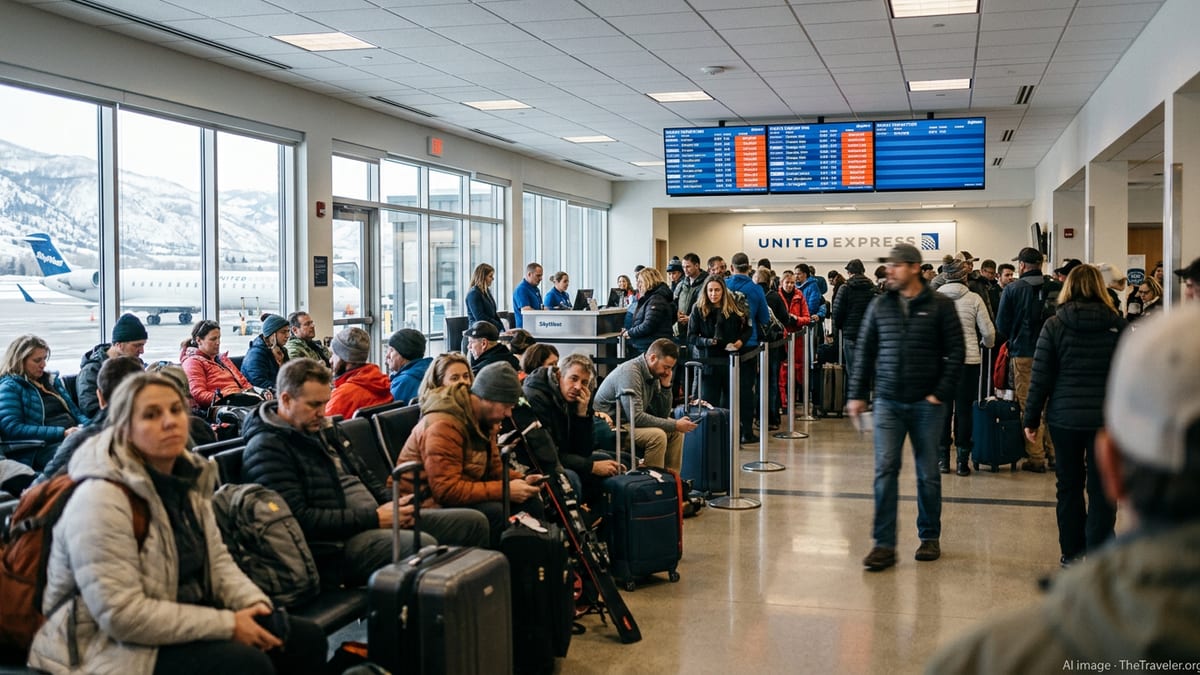
Passengers traveling through Aspen-Pitkin County Airport on Friday faced a cascade of disruptions after SkyWest-operated regional services logged 28 cancellations and 18 delays, snarling connections to major hubs including Denver, Chicago and Los Angeles and stranding travelers across the United States at the peak of the late-winter ski travel rush.
Ripple Effects From a Small Mountain Airport
The operational turmoil at Aspen-Pitkin County Airport underscored how heavily national airline schedules depend on small but strategically important regional gateways. With limited runway capacity, steep terrain and rapidly changing mountain weather, Aspen is one of the most challenging commercial airports in the country, and even minor disruptions there can quickly snowball into wider network problems.
On Friday, SkyWest Airlines, which operates regional flights for major carriers under brands such as United Express and American Eagle, scrubbed 28 departures and arrivals linked to Aspen, while 18 additional services departed late. The majority of those flights were scheduled to feed into or out of Denver International Airport and Chicago hubs, with knock-on impacts reported as far away as Los Angeles and other large U.S. cities as crews and aircraft fell out of position.
Because Aspen’s commercial schedule is concentrated into narrow windows and relies on a relatively small fleet of regional jets, the loss of even a handful of rotations left airlines with little slack to re-accommodate passengers. By midday, gate areas were crowded with travelers refreshing airline apps, as rolling delay estimates shifted by the hour and options to rebook through alternative airports dwindled.
Airport staff worked to manage long lines at ticket counters and baggage carousels, fielding questions about whether flights would be restored later in the day or pushed into the weekend. Public address announcements urged passengers to stay in close contact with their airlines and consider ground transport alternatives to reach Denver and other Front Range cities.
Denver and Chicago Hubs Struggle to Absorb Disruptions
Denver International Airport, one of the main connecting points for Aspen-bound passengers, was already grappling with its own weather-related delays on Friday, creating a perfect storm for itineraries built around tight regional connections. Flight status boards in Denver showed a patchwork of late departures and missed inbound connections involving SkyWest-operated services to smaller Rocky Mountain and Midwest communities.
Travelers who had planned seamless one-stop journeys from cities across the country into Aspen instead found themselves stuck in Denver for hours or forced to abandon their air segment entirely. Some opted to rent cars or book last-minute seats on shared shuttles across the Continental Divide, turning what should have been a short hop into a four- to six-hour drive in variable mountain conditions.
In Chicago, where SkyWest also feeds major airline partners, the Aspen-related disruptions reverberated through midmorning and early afternoon departures. Several flights that would normally carry a mix of local passengers and onward connections from the Rockies boarded half-empty or left without key crew members in place, according to passengers posting real-time updates from the gate areas. The irregular operations also affected return flows to Aspen, eliminating options for travelers hoping to salvage the day’s skiing or business plans.
Los Angeles and other large coastal cities saw fewer outright cancellations tied directly to Aspen, but they were not immune to the network strain. By the afternoon, some westbound passengers were advised to reroute through alternate mountain gateways or postpone their trips altogether as airlines attempted to restore balance to their regional schedules.
Stranded Passengers Weigh Costly Alternatives
For many travelers, the most immediate challenge was deciding whether to wait out the chaos or pivot quickly to Plan B. Skiers and vacationers aiming for weekend stays in Aspen faced the prospect of losing valuable time on the slopes and nights in prepaid accommodations, while business travelers weighed the risk of missing meetings against the expense of last-minute changes.
Families traveling with children and winter sports gear bore the brunt of the disruption. With luggage often already checked through to Aspen, some hesitated to switch to ground transport or alternate airports for fear their bags would lag days behind. Others, particularly repeat visitors to the region, moved swiftly to secure rental cars before inventory ran out, sharing rides with strangers in similar situations to split costs and navigate sometimes snowy highways together.
Local transportation providers and shuttle companies reported a spike in demand as word spread about the scale of the flight disruptions. Seats on scheduled services between Denver and the Roaring Fork Valley filled quickly, and dispatchers scrambled to add extra runs where possible. Hotel front desks in Aspen and surrounding resorts fielded a wave of calls from guests seeking to shift check-in dates or confirm that late-night arrivals would still be accommodated.
Airlines urged passengers affected by the SkyWest cancellations to use digital channels first, citing overwhelmed airport staff and call centers. Some carriers issued flexible travel waivers for customers ticketed to or from Aspen, allowing one-time changes without standard fees, though fare differences still applied on many itineraries.
Operational Challenges at High-Altitude Gateways
Aspen’s volatile operating environment has long been a talking point among pilots and frequent flyers. High altitude, a single relatively short runway and terrain constraints around approach and departure paths limit the types of aircraft that can safely serve the airport and often impose tight performance and visibility requirements. In winter, those challenges are magnified by snow, wind and fast-moving storm systems that can close in on the valley with little warning.
Regional carriers such as SkyWest must carefully sequence aircraft, crews and maintenance windows to keep such a complex operation running smoothly. When one link in that chain fails, whether due to weather, air traffic control programs or technical issues, the disruption typically ripples well beyond the immediate flight. With Aspen’s schedules tied so closely to hub connections in Denver, Chicago, Los Angeles and other cities, a bad day in the mountains can quickly turn into a nationwide headache for passengers.
Industry analysts note that regional operations across the United States are already under strain from pilot and mechanic shortages, tight fleet availability and crowded airspace at major hubs. That leaves limited capacity to absorb shocks like Friday’s Aspen disruptions, especially during peak leisure periods when most seats are already sold and alternative routings are scarce.
Local officials and airport planners have for several years been studying ways to improve resiliency at Aspen-Pitkin County Airport, including modernization of facilities and adjustments to airfield layouts. While such long-term projects may eventually ease some operational pressures, travelers heading to or from ski country in the near term remain heavily dependent on the reliability of a small number of regional jets and carefully choreographed daily schedules.
What Travelers Can Do Ahead of Peak Ski Weekends
The latest wave of cancellations is likely to reinforce long-standing advice for anyone planning to fly into or out of Aspen during the winter season. Travel agents and experienced visitors often recommend building extra buffer time into itineraries, avoiding the last flight of the day where possible and considering arrival a day early for important events to hedge against weather or operational surprises.
Choosing earlier departures from hubs such as Denver, Chicago or Los Angeles can increase the odds of rebooking options if something goes wrong, particularly when many flights on the route are operated by the same regional partner. Some travelers also explore backup plans through alternative airports in the region, even if that involves a longer drive, to avoid putting all their bets on a single weather-dependent mountain runway.
Passengers are also encouraged to monitor forecasts for both origin and destination, sign up for airline text or app alerts and keep essential items like medications, chargers and a change of clothes in carry-on bags in case of unplanned overnights. For those investing heavily in ski vacations, comprehensive travel insurance that covers weather and carrier-related disruptions can help soften the financial blow of a lost day on the slopes or a missed connection.
As airlines and airport officials work to untangle Friday’s operational snarls, the episode offers another reminder that flying into high-altitude ski country, especially on regional jets operated by partners such as SkyWest, remains one of the more unpredictable segments in U.S. air travel. For passengers, preparation and flexibility continue to be the best defenses against a sudden day of travel chaos.