

More news on this day
Taiwan is sharpening its tourism push in Southeast Asia, combining social media partnerships with an expanding web of airline collaborations to draw more visitors from the region’s fast-growing outbound travel markets.
Get the latest news straight to your inbox!
Targeted Digital Campaigns Aim at Millennial and Gen Z Travelers
Tourism agencies and city governments in Taiwan are increasingly prioritizing Southeast Asia in their digital outreach, deploying coordinated campaigns across Facebook, Instagram, TikTok and other platforms popular with younger travelers. Recent initiatives target audiences in Singapore, Malaysia, Thailand and Vietnam with short-form video, creator-led itineraries and destination content designed to showcase Taiwan as a short-haul, visa-friendly option for city breaks and longer holidays.
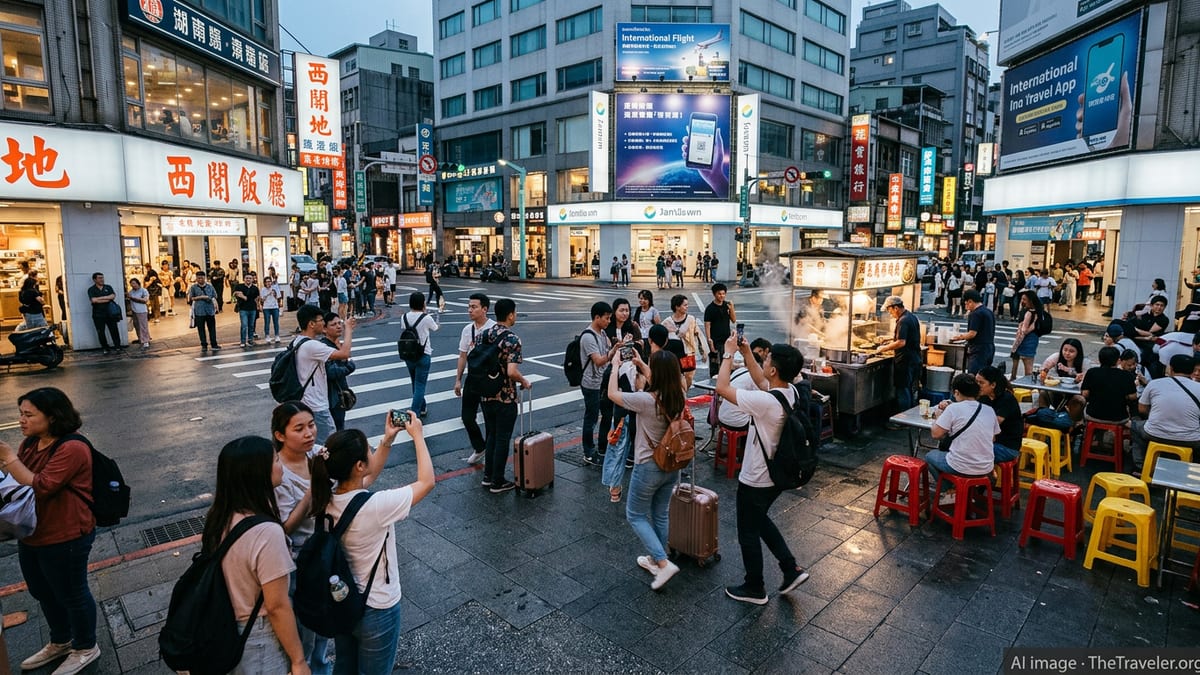
According to published coverage, Taipei’s "All in Taipei, Made for You" promotion brought a coordinated northern Taiwan message to Singapore and Malaysia, combining online marketing with in-person events and media outreach. The campaign highlighted food, shopping and night markets alongside nearby destinations such as New Taipei, Keelung and Taoyuan, positioning the capital region as a multi-stop hub rather than a single-city visit.
Observers note that these digital pushes are calibrated for Southeast Asia’s mobile-first consumption patterns. Video-heavy content, tailored language versions and region-specific social channels are increasingly common, with influencers and travel creators invited to build itineraries that can be replicated by followers. Publicly available information shows that Taiwan’s messaging is also leaning on themes such as ease of access, safety and diverse Muslim-friendly services to appeal to a wider base of travelers from the Association of Southeast Asian Nations.
Social Media Partnerships Extend Taiwan’s Branding Reach
Beyond running its own channels, Taiwan’s tourism authorities are turning to partnerships with regional brands and financial institutions that already command large social media followings in Southeast Asia. One prominent example is the "Unseen Taiwan 2024" campaign developed with Thailand-based card issuer KTC, which packaged eco-conscious branding under the "Taiwan – Waves of Wonder" identity alongside member-exclusive travel offers promoted through KTC’s digital platforms.
Reports indicate that the collaboration resulted in higher spending by KTC cardholders in Taiwan, and helped move the destination into the top tier of Asian markets for Thai outbound card use. Campaign content emphasized lesser-known regions and themes such as green travel, rural experiences and cultural festivals, broadening perceptions beyond Taipei and Taichung and encouraging repeat visitation.
Industry analysts say these kinds of co-branded digital campaigns allow Taiwan to tap into existing loyalty ecosystems, bundling flight and hotel promotions with card rewards, contests and social media challenges. The result is a multiplier effect in which partner brands carry Taiwan-focused content directly into Southeast Asian users’ feeds, reducing the reliance on traditional advertising and enabling more precise targeting by age, income and travel preference.
Airline Collaborations Increase Seat Capacity and Connectivity
Parallel to digital outreach, Taiwanese and Southeast Asian airlines are steadily thickening the route network that underpins tourism flows. China Airlines has expanded its Southeast Asia coverage in recent years, adding destinations such as Cebu, Danang and Chiang Mai and using codeshare arrangements with Philippine Airlines to connect Taiwanese cities to multiple points in the Philippines beyond Manila. Publicly available corporate information describes these ties as a response to robust post-pandemic travel demand between Taiwan and Southeast Asia.
Low-cost carrier Tigerair Taiwan, part of the China Airlines Group, has also become a key player in the leisure market, linking Taiwan with Thai, Vietnamese and Philippine cities and entering codeshare or partnership arrangements with other regional airlines. Separate reports show Tigerair Taiwan among carriers participating in broader networks that include Southeast Asian operators such as T’way Air and Vietjet, providing additional one-stop options for travelers whose journeys begin outside major metropolitan centers.
Full-service carrier EVA Air continues to pursue partnerships that indirectly benefit Southeast Asian travelers as well, even when codeshare launches focus on long-haul connections. By linking Taiwan to larger global networks through alliances and bilateral deals, EVA enables more itinerary combinations that funnel passengers from Southeast Asia through Taipei and onward to North America and Europe, reinforcing Taiwan’s role as a regional hub.
Tourism Boards, OTAs and Airlines Align on Joint Promotions
Travel trade coverage across Asia points to a growing pattern of joint campaigns in which Taiwan’s tourism bodies, online travel agencies and airlines bundle discounted airfares with hotel promotions and curated itineraries for Southeast Asian markets. A recent example involved a major sale organized with a global online travel platform, offering reduced fares and package deals to Taiwan in collaboration with a Taiwanese carrier. While that campaign primarily targeted Japan, the model mirrors similar co-funded promotions in Southeast Asia, where online platforms dominate trip planning.
Such arrangements typically combine airline capacity commitments with marketing budgets from both tourism boards and commercial partners, amplified through digital advertising and social media. Potential visitors in cities like Bangkok, Kuala Lumpur and Ho Chi Minh City are exposed to Taiwan-specific banners, app notifications and social ads that lead directly to bookable packages, shortening the path from inspiration to purchase.
Travel industry observers note that Southeast Asian travel agents and tour operators are often brought into these campaigns through roadshows, webinars and content toolkits. Materials developed for agents are frequently repurposed for social media, reinforcing consistent messages around themes such as halal-friendly options, nature and outdoor activities, and family travel, which resonate strongly with regional outbound trends.
Competition Intensifies as Regional Destinations Court the Same Markets
Taiwan’s efforts to expand its footprint in Southeast Asia come amid intensifying competition from other short-haul destinations. Countries including Japan, South Korea and various ASEAN members are also investing heavily in social media marketing and airline incentives aimed at the same middle-class travelers. In this environment, connectivity and digital visibility are seen as critical advantages, particularly for travelers who prioritize direct flights and seamless connections.
Analysts point out that Taiwan’s mix of full-service and low-cost carriers, combined with a policy focus on New Southbound partner countries, gives it a platform to compete for regional visitors. Continued expansion of codeshare routes, frequency upgrades and targeted fare sales will likely influence how many Southeast Asian travelers choose Taipei or Kaohsiung as gateways compared with other East Asian hubs.
At the same time, the evolution of social media algorithms and the rise of new platforms in Southeast Asia will shape how effectively Taiwan’s tourism messages reach audiences. Campaigns built around creator partnerships, data-driven targeting and cross-border brand collaborations are expected to remain central tools as Taiwan works to translate digital engagement into sustained visitor growth from the region.