

More news on this day
Taiwan is rapidly emerging as a favored short-haul escape for Southeast Asian travelers, as a wave of mobile-first social media campaigns converges with competitive airline promotions to reposition the island as a must-visit destination.
Get the latest news straight to your inbox!
Targeted Digital Campaigns Aim Squarely at Southeast Asia
Recent marketing strategies from Taiwan’s tourism authorities and city governments increasingly prioritize Southeast Asia, reflecting a wider shift in regional travel flows. Publicly available tourism reports describe a “New Southbound” focus that puts countries such as Singapore, Malaysia, Indonesia, Thailand and the Philippines at the center of new outreach efforts. Social platforms, particularly those popular with younger travelers, are being used to push bite-sized itineraries, food-focused content and easy weekend-break ideas that fit low-cost carrier schedules.
According to published coverage of official tourism reports, Taiwan’s Tourism Administration has expanded its use of digital channels, investing in online experiences, website upgrades and targeted partnerships with messaging super-apps. One initiative involves pushing real-time event and festival information through LINE, which is widely used in both Taiwan and parts of Southeast Asia, allowing prospective visitors to follow seasonal highlights and plan trips around lantern festivals, cycling events or urban cultural fairs.
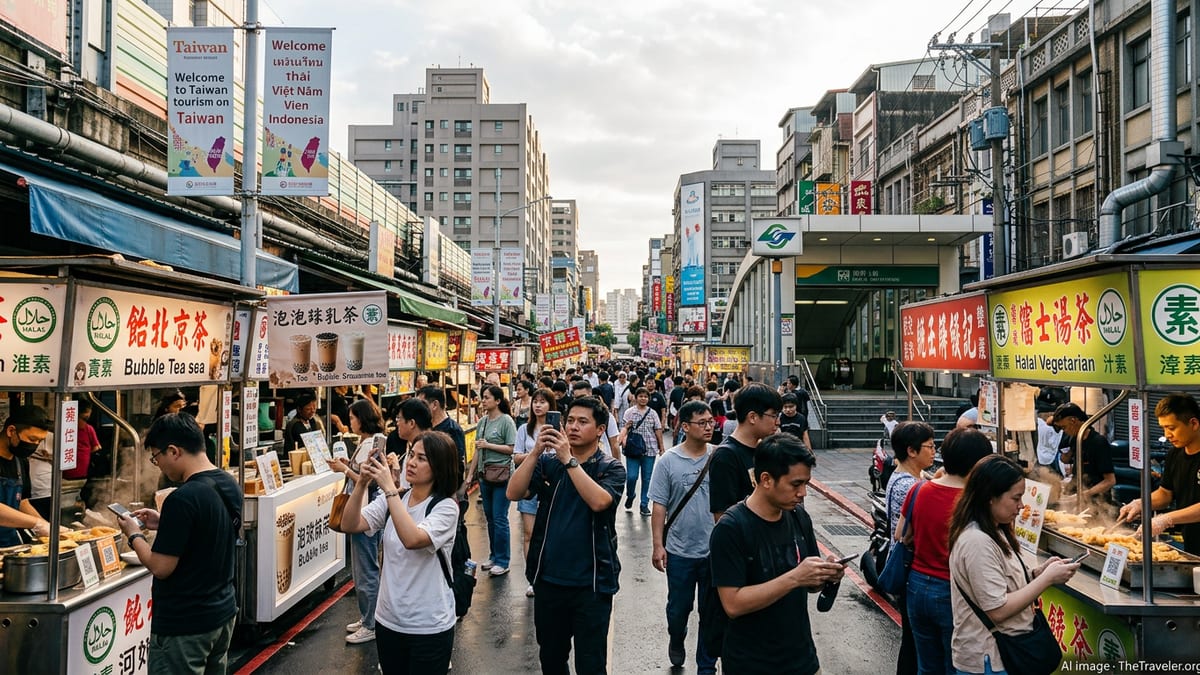
Campaigns tailored to Southeast Asian audiences are also leaning into visually driven platforms such as Instagram, TikTok and Facebook Reels. Travel videos spotlight Taipei’s night markets, Kaohsiung’s waterfront, Alishan’s sunrise viewpoints and Taichung’s art districts, packaged with simplified visa information and budget breakdowns. Industry observers note that this content is designed to match the expectations of first-time international travelers from the region, who tend to rely heavily on peer recommendations, short videos and user reviews when choosing a destination.
Recent promotional material further emphasizes Taiwan’s reputation for safety, efficient public transport and compact geography, positioning the island as an accessible first international trip. Commentaries in regional travel media suggest that this narrative is resonating with younger Southeast Asian travelers, who increasingly view Taiwan as a manageable and friendly alternative to more crowded hubs.
Social Media Storytelling Elevates Food, Culture and Niche Interests
Food-focused storytelling has become a cornerstone of Taiwan’s digital outreach. Academic work on Taiwanese gastrodiplomacy highlights how bubble tea, beef noodles and night-market snacks frequently anchor social media campaigns, helping the island gain visibility on global lifestyle platforms. These culinary narratives are echoed in official tourism content targeting Southeast Asia, where short-form videos walk viewers through street food alleys, halal-certified eateries and café-lined neighborhoods appealing to digital nomads.
Beyond cuisine, recent campaigns lean into niche interest communities to differentiate Taiwan from competing city-break destinations. Cycling enthusiasts are courted through digital “bike metaverse” experiences and scenic route features, while soft adventure imagery showcases hiking trails, hot spring towns and coastal landscapes that can be reached within a few hours of major airports. This mix of urban and outdoor content, widely shared through influencers and user-generated posts, seeks to portray Taiwan as a place where visitors can combine shopping and nightlife with mountain sunrises or surf breaks in a single trip.
Social media posts also highlight Taiwan’s inclusive image, from large-scale pride parades in Taipei to cultural festivals that blend indigenous, Chinese and immigrant influences. Commentators in regional outlets point out that this diversity is increasingly featured in Southeast Asia-facing campaigns, reflecting growing interest among younger travelers in destinations perceived as open and welcoming.
Collaborations with celebrities and digital creators from Malaysia and Indonesia have further amplified Taiwan’s message. According to coverage by halal travel and rating platforms, partnerships with Southeast Asian entertainers and influencers have helped present the island’s attractions in familiar languages and cultural references, lowering the psychological barrier for first-time visitors considering Taiwan over more established regional favorites.
Airline Promotions Make Taiwan a Competitive Short-Haul Hub
While digital storytelling builds desire, aggressive airline promotions are crucial in converting interest into bookings. Network maps from Taiwan’s major carriers show dense links to Southeast Asia, with China Airlines and EVA Air both operating multiple routes to cities such as Bangkok, Ho Chi Minh City, Manila, Singapore and Kuala Lumpur. Low-cost operators like Tigerair Taiwan complement this connectivity by offering point-to-point services aimed at budget-conscious travelers and weekend trippers.
Travel industry reports indicate that carriers have used flash sales, seasonal campaigns and cross-border marketing to stimulate demand. One widely covered summer promotion from EVA Air offered double-digit percentage discounts on selected Asian routes, with advertised round-trip fares between Taipei and Cebu positioned to appeal to price-sensitive travelers in the Philippines and to Taiwan-based residents exploring Southeast Asia. Similar limited-time deals have been publicized across other Southeast Asian gateways, feeding price comparison sites and social channels where travel bargains are quickly shared.
At the same time, Taiwan’s role as a connecting hub is being reinforced through joint promotions involving airlines and tourism bodies. Recent coverage of multi-city campaigns shows Taiwan tourism officials partnering with carriers to spotlight stopover options that bundle discounted city tours, hotel vouchers or transit passes for passengers en route to Japan, Korea or North America. For Southeast Asian travelers, these offers position Taipei and Kaohsiung not only as final destinations but also as value-added transit points.
New route announcements to secondary Southeast Asian cities and regional capitals are also expanding Taiwan’s reach. Aviation market updates note that Taiwanese airlines have steadily rebuilt and then grown their Southeast Asian networks in the post-pandemic period, reopening suspended routes and adding frequencies to meet rising outbound and inbound demand.
Muslim-Friendly Focus Boosts Appeal in Malaysia and Indonesia
An important strand of Taiwan’s Southeast Asia strategy has been a sustained effort to become more Muslim-friendly, particularly for travelers from Malaysia, Indonesia and Brunei. Long-term initiatives documented by halal tourism organizations describe how Taiwan has worked to certify hotels, restaurants and attractions under recognized halal standards, while producing Bahasa Malaysia and Bahasa Indonesia travel guides that outline prayer facilities and dining options.
According to reporting from specialist halal travel platforms, Taipei has gained recognition for its expanding network of certified businesses, with dozens of hotels, eateries and attractions promoted as suitable for Muslim visitors. Similar efforts are underway in other cities, supported by the Taiwan Halal Center and local tourism offices that provide training, promotional support and matchmaking between halal-certified providers and overseas tour operators.
These developments are increasingly visible in Southeast Asia-targeted campaigns. Social media content aimed at Malaysian and Indonesian audiences frequently highlights halal dining in major night markets, prayer rooms in transport hubs and women-friendly city experiences. Tourism analysts note that such messaging is important in a region where family and group travel is common, and where destination choice often hinges on the perceived ease of finding suitable food and worship spaces.
Industry commentary suggests that this Muslim-friendly positioning is beginning to pay off. Visitor statistics released through official channels point to a rebound in arrivals from Malaysia and Indonesia, with tourism bodies linking part of this growth to inclusive infrastructure and tailored marketing. For Taiwan, this segment is seen as a long-term opportunity, given Southeast Asia’s young population and rising outbound travel spending.
Regional City Campaigns and Cross-Border Cooperation Intensify
Beyond national-level efforts, city governments in northern Taiwan have launched their own initiatives to court Southeast Asian visitors. Recent coverage from Taiwanese media describes how Taipei, New Taipei, Keelung and Taoyuan jointly promoted themed itineraries in Singapore, positioning the region as a unified urban gateway with easy port, airport and rail access. These campaigns typically feature short-break packages built around harbor views, heritage streets, shopping districts and nearby mountain or coastal excursions.
Local authorities are pairing these promotions with practical information tailored to Southeast Asian markets, including multilingual signage, payment options familiar to overseas visitors and expanded access to duty-free and transit shopping. Publicly available campaign materials emphasize convenience, with messaging that underscores seamless transfers from Taoyuan International Airport to city centers, frequent high-speed rail services and contactless metro networks.
Private-sector partners are playing a visible role in amplifying these city-level pushes. Travel agencies, online booking platforms and regional airlines co-brand package deals that bundle discounted fares, hotel stays and attraction passes. Analysts following the market note that such integrated offers often appear prominently in Southeast Asian online travel agency listings, where price-sensitive customers filter packages by duration and total trip cost.
As these regional collaborations mature, observers expect more cross-border partnerships linking Taiwanese cities with specific Southeast Asian urban centers. Discussions highlighted in industry publications point to potential twin-city programs, themed charter flights and influencer exchanges designed to keep Taiwan top of mind amid intense competition for Southeast Asia’s increasingly mobile middle class.