

More news on this day
Thailand’s peak Songkran holiday period is facing fresh turbulence as a Pattaya-based travel agent reports a sharp drop in festival bookings, linking the slowdown to long haul flight cancellations and mounting concerns over fuel supply and airfares across key markets.
Get the latest news straight to your inbox!
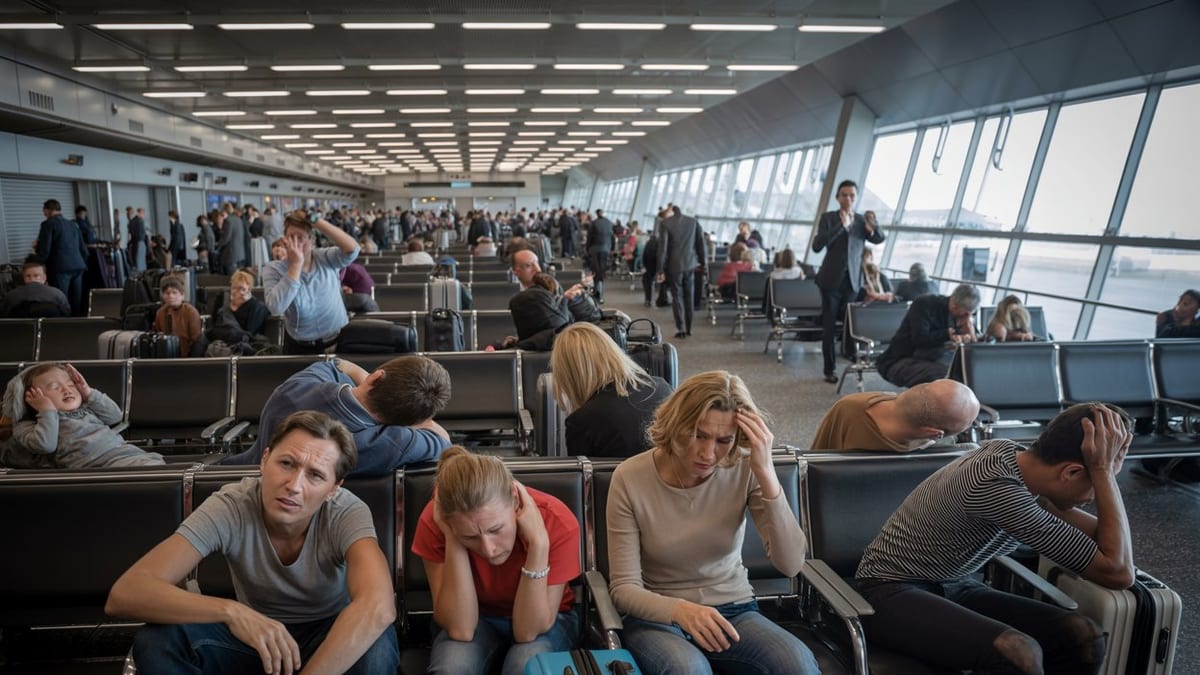
Songkran Outlook Darkens Despite Holiday Hopes
The latest warning from Pattaya’s travel trade arrives just days before Songkran 2026, traditionally one of Thailand’s busiest tourism windows, running broadly from early to mid April. The Pattaya agency’s figures, highlighted in a new update carried by industry news outlet Travel And Tour World, point to weaker than expected demand for both inbound and domestic packages tied to the festival period.
The report describes a notable fall in confirmed bookings for Pattaya and surrounding beach destinations compared with previous Songkran seasons, even as hotel room rates and promotions remain competitive. This contrasts with earlier expectations from national tourism planners that the extended holiday window would generate another year of record spending.
Signs of a broader softening are emerging elsewhere in the sector. Recent coverage from regional business media indicates that Thailand’s hotels have already been discounting room rates, in some cases by as much as 70 percent, in response to a slower than anticipated rebound in international arrivals. The Pattaya booking dip now adds another data point to concerns that Songkran may not fully offset this year’s weaker shoulder-season demand.
Analysts following the market note that while domestic leisure travel is still expected to be strong, the combination of higher travel costs and geopolitical uncertainty appears to be weighing on last minute decisions by international tourists, particularly those considering long haul trips to Thailand for Songkran festivities.
Flight Cancellations Add New Pressure On Long Haul Demand
The Pattaya travel agent’s assessment places particular emphasis on the impact of disrupted air connectivity. Travel And Tour World’s report ties part of the Songkran booking slump to a wave of long haul flight cancellations and rerouting, especially on routes that would typically cross Middle Eastern airspace en route to Southeast Asia.
Publicly available international news coverage shows that Iran’s recent decision to restrict oil and gas exports has contributed to volatility in global aviation, with higher operating costs and route adjustments affecting schedules across Asia and Europe. Radio and wire service reports from late March describe travel agents in Thailand working to rebook passengers via alternative hubs in Turkey or China, while some travelers have opted to cancel their plans entirely as itineraries become more complex and expensive.
Industry observers note that long haul travelers tend to commit to Songkran trips several months in advance. However, the current environment of shifting flight patterns, lengthened journey times, and uncertainty over connection reliability appears to be deterring late-booking visitors from Europe and parts of the Americas, segments that are important for Pattaya’s higher-spend market.
The Pattaya agency’s experience suggests that even where flights remain available, the prospect of further schedule changes is pushing some customers to delay or scale back travel. That hesitation is now filtering through to hotel and tour operators who had banked on a robust final wave of Songkran confirmations.
Fuel Price Jitters Ripple Through Thailand’s Travel Economy
The shock to Songkran bookings is unfolding against a backdrop of rising fuel costs and public concern over energy supply. Reports from Thai and international media in recent days describe higher oil prices feeding directly into elevated jet fuel costs, while images of local filling stations displaying “diesel fuel has run out” notices have circulated widely.
Thai Airways has already announced ticket price increases of around 10 to 15 percent to address the jump in jet fuel costs, according to recent national coverage. At the same time, regulators have been working with carriers to apply targeted fare caps on selected domestic routes for the Songkran period, an effort designed to keep at least some seats affordable for travelers returning to their home provinces.
Commentary in Thailand’s financial press also points to fuel driven price pressures encouraging a shift in travel patterns. Some regional retail and events operators, particularly in northeastern provinces, are leaning into domestic tourism campaigns and price promotions, positioning local Songkran celebrations as an alternative to more expensive overseas trips where airfares have risen sharply.
For Pattaya and other coastal cities reliant on a mix of domestic and international visitors, this complex fuel story is a double edged sword. While some Thai residents may decide to drive rather than fly, online discussions inside the country highlight anxiety about diesel availability in regions beyond Bangkok, prompting calls for more cautious travel planning and, in some cases, reduced discretionary journeys.
Hotels, Events And Airlines Race To Adjust Strategies
Across Thailand’s tourism ecosystem, businesses are rapidly adjusting their Songkran strategies to respond to the shifting environment. Coverage from hospitality and investment outlets shows major hotel groups rolling out curated Songkran stay offers, extended stay packages, and wellness focused add ons aimed at reassuring guests and encouraging longer visits during the April holiday window.
In secondary cities, shopping and lifestyle complexes are reportedly investing heavily in Songkran entertainment to capture travelers who choose to remain within Thailand rather than fly overseas. Some operators have shifted to free entry or reduced ticketing models for water festivals and concerts, seeking to counteract higher fuel and transport costs with greater on the ground value.
Airlines are also walking a fine line between cost recovery and demand stimulation. Alongside Thai Airways’ fare adjustments, low cost and full service carriers are using a mix of temporary capacity increases, promotional fares on selected routes, and schedule tweaks around the April 13 to 15 Songkran peak to reduce bottlenecks. Aviation authorities have reiterated their monitoring of domestic ticket prices and seat availability during the holiday period.
Despite these efforts, the Pattaya agency’s account underlines that confidence remains fragile. Travel And Tour World’s update describes would be visitors paying close attention to both airfare trends and any further signs of fuel supply stress before committing to last minute Songkran trips, particularly from nearby regional markets.
What Travelers Should Watch Ahead Of Songkran 2026
For prospective Songkran visitors, the latest developments around Pattaya provide a snapshot of a market in flux rather than a clear signal to stay away. Flight data and fare tracking from consumer travel media suggest that while some domestic routes may be cheaper than usual due to government interventions, long haul and regional international itineraries remain sensitive to fuel driven cost swings and route changes.
Travelers weighing a trip to Thailand in April are being encouraged by public information sources to keep a close eye on airline schedule updates, especially for flights that would normally cross Middle Eastern corridors. Flexible booking options and comprehensive travel insurance are being highlighted as useful safeguards in an environment where sudden cancellations or rerouting are possible.
On the ground, the hotel market appears to be offering significant value, with multiple reports of discounted rates and added benefits during the Songkran period as properties seek to maintain occupancy. Observers note that this could translate into a more affordable stay for those who are able to manage the air travel component of their journey.
For Thailand’s tourism industry, however, the warning from Pattaya is a reminder that external shocks can quickly reshape one of the calendar’s most critical earning periods. With Songkran 2026 approaching, the sector is watching closely to see whether late bookings recover or whether this year’s celebrations mark a more subdued chapter for one of Asia’s most famous water festivals.