

More news on this day
Spain, France, Portugal and Greece are heading into the 2026 peak season with record visitor numbers, fresh regulations and growing climate pressures that are reshaping how and when travelers experience Europe’s most popular holiday destinations.
Get the latest news straight to your inbox!
Record Numbers Put Spain on “Quality Over Quantity” Path
Spain remains one of the world’s busiest holiday markets as 2025 data show almost 97 million international arrivals and tourism accounting for a significant share of national output. Early 2026 indicators from national statistics point to further growth in visitor numbers and spending, confirming that demand for Spanish sun, cities and culture continues to rise despite higher costs and economic uncertainty.
Publicly available information shows that Spanish authorities and industry groups are pivoting toward a “quality over quantity” strategy as concerns about overtourism harden into concrete policy. Proposals for higher visitor levies from 2026 and tougher controls on unlicensed short term rentals follow a period of large protests in cities and islands where residents link mass tourism with housing shortages and pressure on water and public space.
Climate risks are now a central factor in Spain’s travel outlook for 2026. Recent heatwave seasons have pushed summer temperatures to levels that health agencies describe as dangerous, particularly along southern and eastern coasts. Travel trend analyses suggest that visitors are increasingly shifting trips into shoulder months such as April, May, September and October, while northern regions and inland cultural destinations gain appeal among tourists looking to avoid extreme heat.
For tourists planning Spain in 2026, practical implications include monitoring local rules on tourist apartments, budgeting for higher city or regional taxes, and considering travel dates outside the hottest weeks. Travelers are also being encouraged by tourism boards and consumer groups to factor in siesta time, hydration and early or late sightseeing hours during periods of high heat.
France Leverages Olympic Legacy While Managing Big City Strain
France entered 2026 as the world’s most visited country, with recent figures indicating around 102 million foreign tourists in 2025 and record tourism revenues. Analysis by national and international bodies suggests that the Paris 2024 Olympic and Paralympic Games created a lasting legacy in transport upgrades, hotel capacity and global visibility, helping sustain visitor interest well beyond the event itself.
However, higher baseline demand places new strain on Paris and other major hubs. Reports on post Games tourism show that while occupancy and spending remain strong, local debates about crowding, short term rentals and public space are intensifying. Regulatory measures adopted in recent years, including tighter registration requirements for holiday rentals and efforts to spread visitors across the wider Ile de France region, are expected to continue shaping how tourism is managed through 2026.
Beyond Paris, data from regional tourism observatories point to growth in wine regions, coastal areas and smaller cities that benefit from improved high speed rail and domestic air links. This diversification aligns with France’s long term Destination France plan, which aims to strengthen lesser known territories and promote more sustainable forms of travel such as cycling routes, rural guesthouses and eco certified accommodations.
Visitors in 2026 can expect high demand around headline cultural events, major concerts and the reopening of headline sites, alongside more dynamic pricing for transport and hotels in peak weeks. Analysts recommend securing flexible bookings, exploring second tier cities that now offer better connectivity, and checking local regulations that may influence short stay rentals and tourist taxes, particularly in Paris, the Riviera and mountain resorts.
Portugal Slows Growth but Pushes Higher Value and New Regions
Portugal’s tourism sector moved from rapid post pandemic rebound to steadier expansion by 2025, with official dashboards signaling record overnight stays and revenues but more moderate growth rates. Government and industry communications for 2026 emphasize a focus on value over volume, highlighting efforts to attract higher spending visitors and extend stays rather than simply chase additional arrivals.
Concentration remains a key issue. Recent analyses show that Lisbon, Porto and the Algarve still absorb a large share of international overnights, leading to familiar pressures on housing, mobility and local services. At the same time, national strategies point to a concerted push to redirect some demand toward interior regions and island territories such as the Azores and Madeira, where tourism capacity remains less saturated and nature based and gastronomic experiences are central selling points.
Infrastructure constraints, especially around Lisbon’s airport capacity, continue to shape travel patterns into 2026. Industry commentary notes that limited slots and congestion can push prices higher in peak months and encourage airlines to grow routes into alternative gateways. Travelers may find better fares and availability by flying into Porto, Faro or island airports, then connecting overland or by inter island links to reach their final destination.
For tourists, the 2026 trends mean that classic city break and beach itineraries will remain popular but may feel busier and pricier in high summer. Travel planners increasingly suggest exploring lesser known wine regions, river valleys and countryside stays, where accommodation pressures are lower and interaction with local communities can be more balanced. Checking municipal rules on local lodging licenses and neighborhood specific tourism restrictions is also becoming part of prudent trip preparation.
Greece Balances Record Demand With New Caps and Climate Risks
Greece is entering 2026 on the back of all time records for arrivals and tourism income, with Bank of Greece data for 2025 indicating more than 42 million visitors and record receipts. The strong rebound has reinforced tourism’s importance to the national economy, but it has also amplified longstanding concerns about overtourism on marquee islands and in Athens’ historic center.
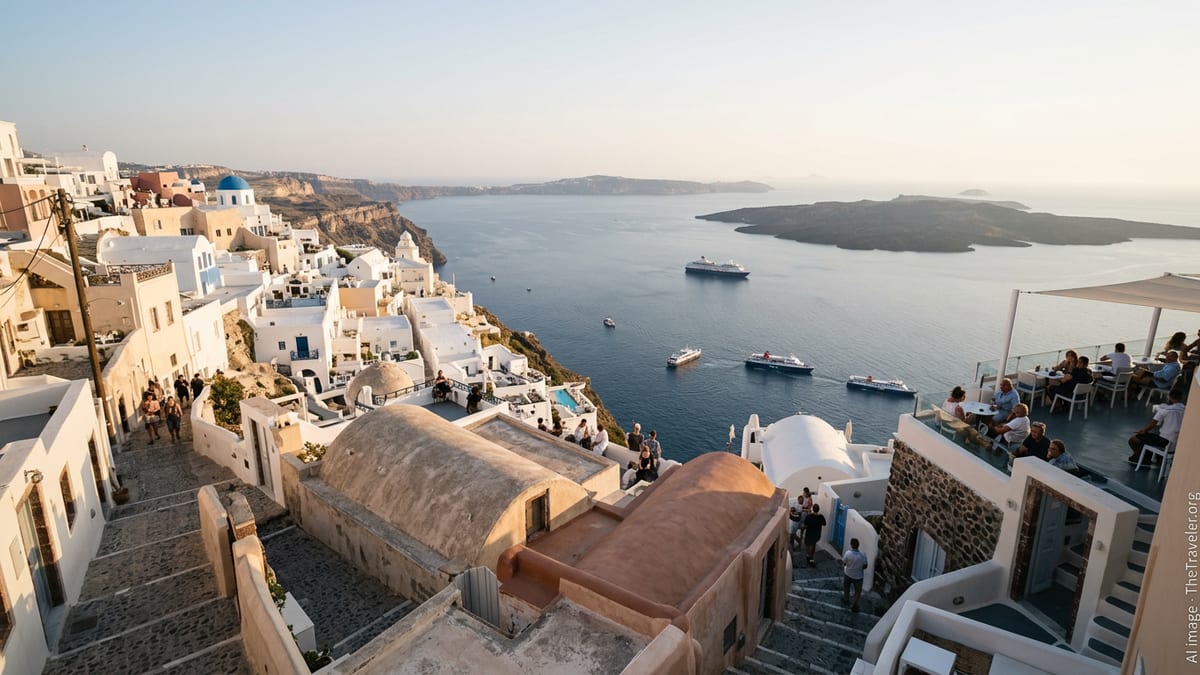
Publicly available information shows that Greece has moved to tighten the framework for short term rentals, introducing nationwide quality and safety standards and suspending new registrations in parts of central Athens. On Santorini, local and national authorities have endorsed a daily cap on cruise passengers in an effort to reduce congestion at peak hours, and discussions continue about further measures to manage day trip flows and protect fragile infrastructure.
In May 2026, domestic coverage highlighted the presentation of a new Special Spatial Framework for Tourism, which proposes stricter building limits in saturated destinations including Mykonos, Santorini, sections of Rhodes, Zakynthos and parts of Crete. The framework groups territories into categories based on their tourism load, offering incentives for investment in less developed areas while placing tighter controls on new capacity in places already under strain.
Heat and wildfire risk are also key considerations for Greece in 2026 after recent summers brought prolonged heatwaves and disruptive fires on several islands. Travel advisories and climate research encourage visitors to monitor local alerts, plan outdoor activities for mornings and evenings, and consider mid season travel windows when temperatures are milder. Insurance that explicitly covers disruption from wildfires or civil protection orders is increasingly recommended for peak summer trips.
What 2026 Travelers Need to Watch Across Europe’s Hotspots
Across Spain, France, Portugal and Greece, the dominant 2026 story is not simply that visitor numbers are high, but that tourism models are being reworked in response to social and environmental pressure. Authorities are testing tools such as higher visitor taxes, short term rental caps, cruise passenger limits and building restrictions in saturated zones, all while trying to maintain the sector’s economic benefits.
For travelers, these shifts translate into a few clear themes. Price sensitivity is rising as accommodation, local taxes and sometimes transport costs tick upward during peak weeks, particularly in capital cities and famous islands. At the same time, booking conditions remain more flexible than a decade ago, giving visitors some room to adjust plans if heatwaves, wildfires or protest actions affect specific regions.
Industry reporting suggests that 2026 may mark a stronger move toward shoulder season and off path travel in Southern Europe. Tourists who prioritize cooler temperatures, lower crowd levels and more stable prices are increasingly steering toward spring and autumn visits, inland or northern regions and smaller cities that benefit from improved transport links. In practice, that could mean swapping a mid August weekend in central Barcelona for an October escape to northern Spain, a summer Saturday in central Paris for a weekday break in a regional city, or a high season island stay for a village in the interior of Portugal or Greece.
As Europe’s top holiday hotspots adapt to what some analysts describe as an era of “hypertourism,” 2026 visitors are being nudged to plan more carefully, read the fine print on local regulations and insurance, and embrace itineraries that spread their spending more widely. Those who do so are likely to find that the region’s enduring appeal is still very much intact, even as the rules and rhythms of travel evolve.