

Spain or Italy. Two dream destinations, both layered with history, sun, and food worth flying across an ocean for. Yet they offer distinct rhythms, landscapes and price points. Choosing between them is not about which country is objectively better, but which one fits the way you like to travel right now. From crowd levels and climate to cuisine, culture and costs, this guide breaks down the key differences so you can decide where your next passport stamp should come from.
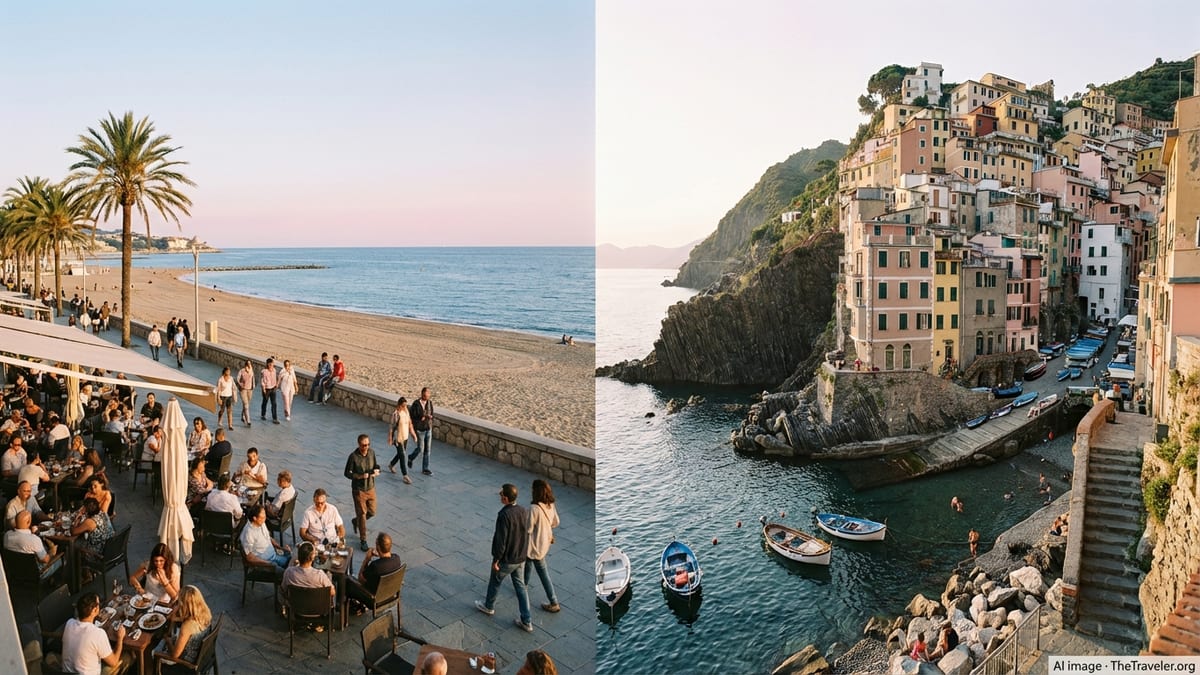
Spain vs Italy at a Glance
Spain and Italy are two of Europe’s tourism powerhouses, each drawing tens of millions of international visitors every year. Spain has recently set new records, with roughly ninety million to just under one hundred million arrivals in the most recent full year of data, driven by a mix of beach, cultural and food-focused trips. Italy continues to rank just behind in global arrival numbers, but packs a high concentration of “bucket list” cities such as Rome, Venice and Florence into a relatively small area, which intensifies visitor pressure on certain hot spots.
For American travelers in particular, both countries are now long-haul favorites. Spain has seen especially strong growth from North America, helped by an extensive low-cost flight network within Europe, relatively affordable food and lodging outside the very busiest areas, and a huge range of experiences in a single trip, from Atlantic surf towns to North African-influenced southern cities. Italy, meanwhile, remains the archetypal European escape, prized for its art cities, countryside villas, ancient ruins and romantic coastlines.
On the ground, the main differences come down to how you like to move through a place. Spain often feels more laid-back in daily rhythm, with late meal times, long evenings and an easygoing café culture. Italy leans into ritual and tradition: the morning espresso at the bar, the slow multi-course dinner, the evening passeggiata stroll. Both can be busy and expensive in peak season, yet each still offers quieter regions, especially if you step away from a handful of iconic cities and coastal resorts.
When weighing Spain or Italy, start by clarifying your own travel style. Are you chasing museums and ruins, or beach bars and live music. Do you care more about wine regions or mountain hikes. Do you prefer tapas hopping until midnight, or sitting down for a long, structured meal. The better you understand these preferences, the easier it becomes to see which country aligns more closely with your ideal trip.
Climate, Seasons and Best Times to Go
Both Spain and Italy share broadly Mediterranean climates in many of their most visited regions, with hot, dry summers and mild, wetter winters. Yet climate varies sharply within each country. In Spain, the Atlantic north is greener, cooler and often rainy, while much of the southeast and southern coast can be semi-arid or even near desert, with very hot summers and limited rainfall. In Italy, the Alps and Dolomites bring alpine winters in the north, while the south and islands like Sicily and Sardinia stay relatively warm and dry.
For temperate weather and more comfortable exploring, the shoulder seasons are ideal in both countries. In Italy, many operators and travel specialists recommend April to May and September to October as sweet spots, when temperatures are pleasant, major sights are fully open, and crowds are lighter than in high summer. Spain’s major cities and coastal regions also shine in April, May, late September and October, avoiding the intense summer heat that has become more frequent in recent years, especially in southern regions and the islands.
Summer brings a different equation. On the one hand, you have long daylight hours, warm seas and lively festivals. On the other, Spain in particular can see prolonged heatwaves, with some inland and southern areas exceeding 40 degrees Celsius in late spring and summer and warm nights remaining well above 20 degrees. Similar, though generally slightly less extreme, summer heat now affects parts of Italy as well, especially in the south and in densely built cities where nights can stay uncomfortably warm.
If you are a traveler who wilts in high heat, consider spring or autumn city breaks, and reserve the hottest months for higher-altitude or northern areas: the Basque Country, Asturias or Galicia in Spain, or the Dolomites, northern lakes and parts of the Italian Riviera in Italy. Winter can be atmospheric and cheaper in both countries too, especially outside the Christmas and New Year period. In Spain, winter is mild along much of the Mediterranean, while Italian cities like Rome, Florence and Naples remain very visitable, if more prone to rain and cooler evenings.
Costs, Value and Crowds
In broad terms, Spain still tends to be slightly more budget-friendly than Italy for day-to-day expenses, particularly outside the most famous cities and islands. Typical restaurant meals, mid-range hotels and local transport often cost a bit less, especially in mid-size cities and inland regions. Italy’s prime tourist zones, such as Venice, the Amalfi Coast, parts of Tuscany and the Cinque Terre, have become known for high seasonal prices, although more moderate options exist in less famous towns and rural areas.
Spain’s record-breaking visitor numbers in recent years have prompted national and regional authorities to talk more explicitly about quality over quantity, and to push visitors beyond a handful of overburdened destinations. That means you can still find very good value in lesser-known coastal towns, interior wine regions and provincial capitals. Italy faces parallel issues in Venice, Florence and parts of Rome, where daily visitor caps, new access fees or stricter regulations are increasingly being discussed or implemented to manage overtourism.
Your experience of crowds will depend heavily on where and when you go. A July afternoon on Barcelona’s central beaches or in Rome’s historic center will feel intense almost irrespective of which country is technically “busier.” By contrast, an October trip to Spain’s smaller Andalusian cities or to Italy’s quieter hill towns and secondary islands can feel remarkably relaxed. In both countries, booking ahead for popular attractions, choosing early morning time slots, and staying overnight rather than day-tripping into famous towns can significantly improve your experience.
If your travel style leans toward long, slow stays and value for money, Spain often has the edge, particularly for apartment rentals and neighborhood dining away from the center. If you are splurging on a few once-in-a-lifetime experiences and luxury hotels, Italy offers more world-famous options, but also commands higher prices in those same areas. One important recent factor to watch in both countries is the local pushback against short-term rentals in heavily touristed cities, which may affect availability and regulations in coming years.
Cities, Culture and Nightlife
Spain and Italy are both cultural treasure houses, yet they present this richness in different ways. In Italy, the headline cities feel almost like open-air museums. Rome layers ancient ruins, Renaissance art and Baroque churches within walking distance. Florence concentrates masterpieces of painting and sculpture in relatively compact quarters. Venice feels like a preserved historical stage set, its canals and palazzi central to the experience. Urban Italy is ideal if your travel style centers on gallery-hopping, slow museum visits and classical architecture.
Spain’s cities are no less historic, but often feel more lived-in and contemporary in their day-to-day rhythms. Barcelona juxtaposes Gothic streets with bold Modernist architecture. Madrid balances grand boulevards and royal palaces with a thriving neighborhood tapas scene and late-night energy. Seville and Granada combine Islamic, Christian and Jewish influences in their monuments, while cities like Bilbao and Valencia showcase bold contemporary design alongside traditional quarters. If you prefer your culture mixed with street life, bar-hopping and spontaneous encounters, Spain’s cities may suit you better.
Nightlife is another area where differences emerge. Spanish cities are famously late to start and late to finish. Dinner often begins after 9 p.m., bars fill closer to 11, and nightlife in major hubs can run well into the early morning even on weekdays. Music festivals, rooftop bars and lively plazas keep public spaces animated late into the night. Italy’s evenings are social as well, but more structured around aperitivo, dinner and a post-meal stroll. In many Italian cities, bars and cafés are busy in the early evening and then wind down earlier than in Spain, although larger cities and student towns can be an exception.
For culturally minded travelers, both countries deliver. Italy offers unparalleled density of Western art and architecture, ideal for those who love historic churches, archeological sites and curated museum experiences. Spain offers a broader mix of artistic styles, including world-leading modern art in Madrid and Bilbao, flamenco culture in Andalusia, and a strong contemporary design and fashion scene. Your choice may come down to whether you prefer structured, museum-heavy days or more fluid, street-centered exploration.
Food, Wine and Dining Style
Food alone is enough reason to visit both Spain and Italy, but each country’s culinary culture favors a different type of eater. Italian cuisine emphasizes simplicity, seasonal ingredients and clear regional traditions. In the north, you find rich risottos, polenta and butter-based sauces, while central regions lean into pasta, grilled meats and olive oil. The south and islands celebrate tomatoes, seafood, citrus and herbs. Meals often follow a ritualized structure, with antipasti, a first course of pasta or risotto, a second course of meat or fish and then dessert or fruit, although modern dining habits are more flexible than guidebooks sometimes suggest.
Spanish cuisine is built for grazing and sharing. Tapas and pintxos, small plates served in bars, let you sample a wide range of flavors in a single evening. From fresh seafood on the Galician coast to classic tortilla and croquetas in Madrid, or Moorish-influenced dishes in Andalusia, it is easy to construct a meal by moving from bar to bar. Shared plates of paella or other rice dishes are common on the Mediterranean coast, while in the Basque Country and Catalonia you find some of Europe’s highest concentrations of ambitious contemporary restaurants.
Wine culture differs subtly as well. Italy is one of the world’s largest wine producers and exports labels that are household names, from Chianti and Barolo to Prosecco and Pinot Grigio. Visiting vineyards in Tuscany, Piedmont or Veneto can be a central focus of a trip, with many estates offering tastings and farm stays. Spain’s wine story is better known in specialist circles, though regions like Rioja, Ribera del Duero and Priorat produce internationally respected bottles. Wine bars and by-the-glass lists in Spanish cities often provide excellent quality for the price, making it easy to explore regional wines without a dedicated vineyard itinerary.
If you enjoy snacking, variety and a less formal approach to eating, Spain generally aligns well with that travel style. The tapa culture encourages spontaneity and mixing of venues. If you prefer sitting down to a structured meal, perhaps with a multi-course tasting menu or a focus on a particular regional specialty, Italy might feel more satisfying. Both countries offer everything from simple family-owned trattorias or tabernas to Michelin-starred dining, so you will not go hungry either way.
Beaches, Nature and Outdoor Adventures
For many travelers, beaches are the deciding factor between Spain and Italy. Spain has more coastline overall, including the Atlantic and Mediterranean, as well as island archipelagos. From the surfing beaches of the Basque Country and Asturias to the long sandy stretches of the Costa de la Luz and the resort-lined Costa Blanca, there is enormous variety. Islands such as Mallorca, Menorca, Ibiza and the Canaries add still more options, from family-friendly resort towns to wild coves and volcanic landscapes.
Italy’s coasts are more fragmented and often more dramatic. The Amalfi Coast, Cinque Terre and parts of the Italian Riviera deliver cliffside villages, small pebble beaches and clear, deep waters. Sandy strands are more common along the Adriatic and in regions like Puglia, Sardinia and parts of Sicily. In recent years, the Italian Riviera and several southern regions have reported very high sunshine hours annually, making them particularly appealing for shoulder-season visits when temperatures are milder but the sea is still swimmable.
Beyond the beach, Spain is excellent for hiking, cycling and mountain sports. The Pyrenees offer alpine scenery and ski resorts. The Picos de Europa and Sierra Nevada provide rugged trails within reach of historic cities. Inland plateaus and rural regions suit long-distance cycling and road trips between stone-built villages and castles. Italy counters with its own mountain heavyweights in the Alps and Dolomites, renowned for via ferrata routes, skiing and high-altitude hiking, as well as gentler landscapes around lakes such as Como and Garda.
If you dream of lazy days on long sandy beaches with easy access to nightlife and a wide range of accommodations, Spain, especially its Mediterranean and island coasts, may match your style. If your idea of coastal perfection involves dramatic cliffs, colorful harbor towns and boat trips from cove to cove, Italy’s iconic coastlines might be more compelling. Nature lovers who prioritize high mountains and alpine culture will likely find Italy more rewarding, while those who enjoy mixing historic cities with accessible countryside may gravitate toward Spain’s interior regions.
Rhythm, Language and Ease of Travel
Every country has a rhythm, and matching that rhythm to your own habits is an underrated part of choosing where to go. In Spain, daily life often starts later and runs later. Shops and smaller businesses may close for a midday break in smaller cities and towns, dinner typically happens later in the evening than many visitors are used to, and nights in bar districts can be long and lively. This suits travelers who like slow mornings, extended afternoons and social evenings.
Italy tends to start and end the day earlier, particularly outside big cities. Breakfast is usually a quick coffee and pastry at the bar, lunch is important, and aperitivo in the early evening bridges the gap to dinner, which can be earlier than in Spain. Many shops in smaller towns still close in the early afternoon. If you enjoy waking up early, exploring before the heat builds, and having the option of a quieter evening, Italy’s rhythm may feel more intuitive.
Language and communication are manageable in both countries. English is widely spoken in heavily touristed areas of Spain and Italy, especially among younger people and in hospitality. Outside these zones, basic Spanish or Italian phrases go a long way. For English speakers, Spanish vocabulary can feel a bit more approachable at first, especially if they have encountered it through school or media, although Italian pronunciation is often quite phonetic. Travelers focused on independent road trips and small villages will find that a few key phrases are invaluable in either country.
In terms of logistics, both countries have extensive train and bus networks, plus numerous regional airports. Spain has invested heavily in high-speed rail, making routes between Madrid, Barcelona, Seville, Valencia and other major cities fast and competitive with flying. Italy’s train network is dense in the north and center, with high-speed lines connecting Milan, Venice, Florence, Rome and Naples. Driving in rural areas is relatively straightforward in both, but historic centers often have restricted traffic zones and limited parking, so renting a car is best for countryside exploration rather than urban transport.
Safety, Protests and Responsible Travel
Spain and Italy are generally safe destinations by global standards, with serious violent crime against tourists relatively rare. The most common issues visitors face are petty theft and pickpocketing in crowded areas, particularly on public transport and near main attractions. In both countries, standard precautions like keeping valuables secure, being alert in crowds and avoiding overly flashy displays of wealth go a long way.
In recent years, both nations have also contended with the challenges of overtourism. In Spain, large-scale protests in 2024 and 2025 in destinations such as the Canary and Balearic Islands, Barcelona and other coastal cities highlighted local concerns about housing affordability, crowded public spaces and the strain on infrastructure. Similar debates have surfaced in parts of Italy, particularly Venice and some coastal and art city hot spots, where authorities continue experimenting with access controls and visitor management measures.
For travelers, this context matters, especially if your travel style emphasizes ethical and sustainable choices. In both Spain and Italy, choosing to visit in shoulder seasons, spending money at locally owned businesses, staying longer in fewer places and focusing on less saturated regions can help distribute benefits more evenly. Opting for registered accommodations, respecting neighborhood quiet hours and following local rules around short-term rentals are further ways to travel responsibly.
Ultimately, neither Spain nor Italy is “too crowded” if you are thoughtful about timing and location. A winter visit to a lesser-known Spanish inland town or an early autumn stay in a small Italian hill village can feel worlds away from summer scenes in the most photographed coastal enclaves. If responsible travel is a priority for you, use it as a filter when choosing specific regions and seasons rather than a reason to avoid either country altogether.
How to Match Each Country to Your Travel Style
With so many overlapping strengths, deciding between Spain and Italy can feel more like a personality test than a simple pros-and-cons list. One practical approach is to imagine a perfect day of travel and see which country fits that mental picture more closely. If your ideal day starts late, meanders between cafés and markets, involves snacking across several venues and ends with music in a plaza or bar, Spain’s urban life and food culture are likely a stronger match.
If, on the other hand, your perfect day involves a morning museum visit, a long lunch in a trattoria, an afternoon wandering narrow lanes or relaxing at a countryside agriturismo, then dressing up a little for aperitivo before dinner, Italy may be closer to your style. Art lovers who have long dreamed of standing before works by Michelangelo, Botticelli or Caravaggio probably will not want to skip Italy. Those fascinated by Islamic architecture, modern art or contemporary design may feel more drawn to Spain.
Beach preferences can be equally revealing. Spain favors long sandy strands, resort infrastructure and a huge variety of island experiences, from party-focused to family-oriented to remote. Italy favors smaller, often more picturesque coves, cliff-backed villages and beach clubs where the experience is curated and sometimes more expensive. Outdoor enthusiasts should think carefully about their top priorities: multi-day hikes and alpine scenery favor Italy, while a mix of mountain ranges, mild winter hiking and easier access from major cities may tilt the balance toward Spain.
Finally, consider how much you value predictability versus surprise. Italy, with its famously codified food culture and classic itineraries, often delivers the trip you have been picturing for years, especially if that picture comes from films and art history. Spain, while no less storied, can feel more unexpected for some travelers, with regional diversity that ranges from Celtic-influenced Atlantic villages to almost North African landscapes in the south. If you crave familiarity and iconic scenes, Italy is hard to beat. If you enjoy discovering places that are a little less entrenched in popular imagination, Spain may feel more exciting.
The Takeaway
Spain or Italy is not a question with a single correct answer. Instead, it is an invitation to be honest about how you like to travel. Both countries offer deep history, rich food cultures, beautiful coasts and welcoming people. Both wrestle with the pressures of popularity and the realities of climate change. Both reward travelers who slow down, wander side streets and learn a few phrases of the local language.
If budget, nightlife and variety of landscapes in one itinerary are your top priorities, Spain often holds a slight advantage. If world-class classical art, ritualized dining and cinematic old-world cities are your dream, Italy may be the better first choice. For many travelers, the best solution is not Spain or Italy but Spain then Italy, approached at different life stages or for different types of trips.
Whichever you choose, resist the urge to do too much. With either country, a focused route and a few well-chosen bases will give you a deeper, more satisfying experience than racing between every famous sight. Let your travel style guide you, pick the country that aligns most closely this time, and trust that the other one will still be waiting for you when you are ready for a new kind of journey.
FAQ
Q1. Is Spain or Italy better for a first-time trip to Europe.
For many first-time visitors, Italy edges ahead because it concentrates so many iconic sights in a small area, making classic itineraries relatively straightforward. Spain, however, can be easier on the budget and offers a more relaxed, late-night social scene, which some travelers prefer.
Q2. Which country is generally cheaper for food and accommodation.
On average, Spain is often slightly more affordable for everyday expenses, especially outside the busiest coastal resorts and major cities. Italy can be very good value in less touristed regions but tends to be more expensive in its most famous destinations.
Q3. Where will I find better beaches, Spain or Italy.
Spain has longer stretches of sandy coastline and a huge choice of beach destinations on both the Atlantic and Mediterranean, plus islands. Italy offers more dramatic cliffside coastal scenery and smaller coves, with especially beautiful spots on the Amalfi Coast, in Liguria and in parts of the south.
Q4. Which country is better if I care most about art and museums.
Italy is hard to beat for classical art, sculpture and architecture, with cities like Rome, Florence and Venice offering dense concentrations of masterpieces. Spain also has world-class museums and modern art collections, but Italy remains the stronger choice if art history is your main focus.
Q5. Is Spain or Italy better for nightlife.
Spain is generally livelier later into the night, with a strong bar culture, late dining and music scenes in cities like Madrid, Barcelona and Seville. Italy has enjoyable evenings centered on aperitivo and dining, but nightlife in most places winds down earlier.
Q6. Which country is easier to get around without a car.
Both are navigable by train and bus, but Spain’s extensive high-speed rail network makes traveling between major cities especially fast and convenient. Italy’s high-speed lines cover key routes in the north and center, though some rural areas in both countries are better explored by car.
Q7. How should I choose based on the time of year I can travel.
If you are tied to peak summer, coastal and mountain destinations in either country will be more comfortable than major inland cities. For spring and autumn city trips, both Spain and Italy work very well. In winter, Spain’s Mediterranean coast and islands tend to be milder, while Italy offers strong options for cultural city breaks and skiing.
Q8. Which destination is better for families with children.
Both countries are very family-friendly and welcoming to children. Spain’s plentiful beach resorts, playground-filled plazas and relaxed meal structure can be especially convenient, while Italy’s straightforward food and smaller historic centers make sightseeing with kids manageable.
Q9. How do recent concerns about overtourism affect my choice.
Heavily touristed areas in both Spain and Italy are responding with new regulations and local debates about visitor numbers. As a traveler, you can lessen your impact by avoiding the very busiest months and areas, staying longer in fewer places and supporting local businesses in less saturated regions in either country.
Q10. If I only have one week, which should I pick.
With a single week, choose the country whose classic experiences excite you more right now. For a focused route between art cities and perhaps one coastal stop, Italy might be best. For a mix of one or two cities plus beach time and tapas-filled evenings at a slightly lower cost, Spain could be the better fit.