


More news on this day
SpiceJet passengers at Delhi’s Indira Gandhi International Airport (IGI) faced extended waits on Saturday, September 19, 2026, after a disruption at check-in counters compounded operational issues and left flyers struggling to get boarding passes, baggage tags, and clear updates on departures.
Get the latest news straight to your inbox!
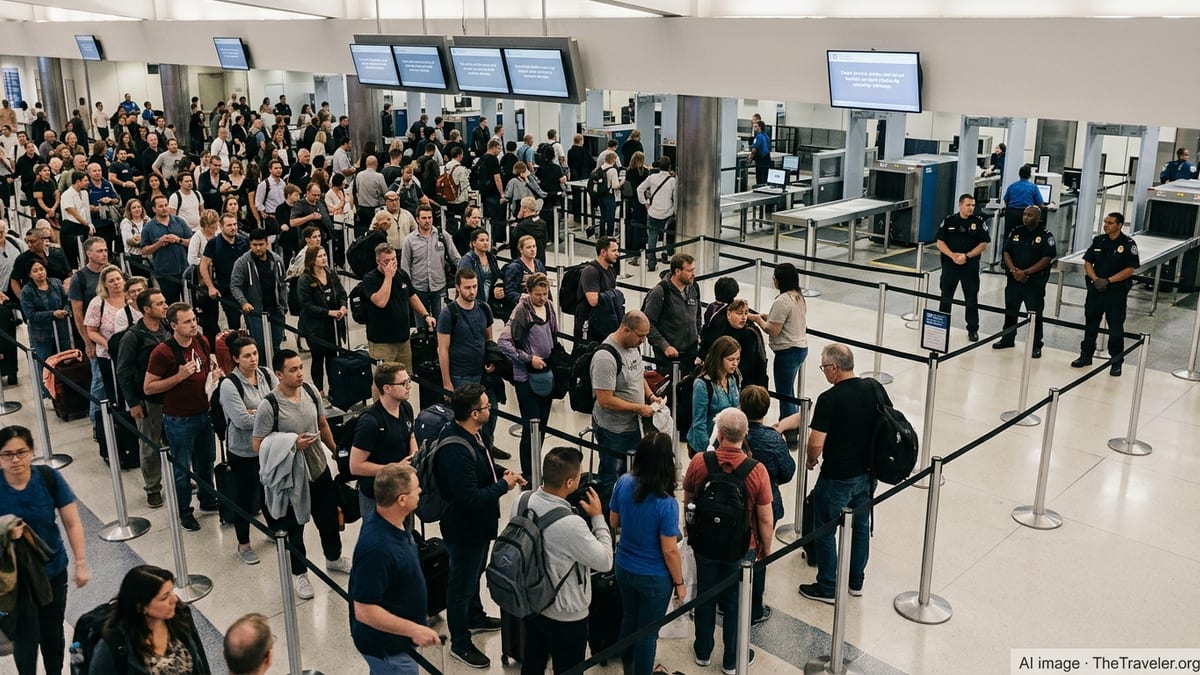
What happened at IGI and which flights were affected
Published coverage described a check-in disruption that slowed passenger processing and contributed to knock-on delays and cancellations across parts of SpiceJet’s Delhi schedule. With queues building inside the terminal, travelers reported being stuck airside and landside for hours as airline handling and airport teams worked to restore normal passenger flow.
Delhi Airport’s public advisories indicated its on-ground teams were coordinating with SpiceJet and other stakeholders to support affected passengers and help normalize operations. Reports also pointed to ground-handling staff being deployed to assist stranded travelers and liaise with airline representatives in the terminal.
Among the flights referenced in published reporting on September 19 were domestic services including SG121 and SG127 from Delhi to Leh and SG2160 from Delhi to Jammu. Coverage also linked some of the day’s disruption to operational constraints that can ripple through an airline’s network when a single aircraft rotation falls behind schedule.
Stranded passengers, terminal crowding, and the check-in bottleneck
Travel disruptions at a major hub like Delhi tend to surface first at check-in and baggage drop. When counters slow down, passengers can miss airport processing windows, face rebookings, or lose the ability to travel that day, particularly on flights with limited frequency or high load factors.
Saturday’s incident drew added attention because it followed earlier scenes at IGI involving SpiceJet passengers bound for Dubai who waited overnight and protested after repeated rescheduling earlier in the week. That earlier episode centered on two Dubai-bound flights, SG5111 and SG5105, that were pushed back by many hours, with coverage describing more than 100 passengers impacted and delays that stretched close to a day or more.
While Saturday’s check-in disruption was described as a distinct event, the back-to-back headlines have sharpened traveler concerns about reliability, especially for passengers connecting onward from Delhi or those with time-sensitive itineraries such as tours in the Himalayas or short-notice business trips.
Airline and airport responses as operations stabilize
In publicly available statements carried by news outlets, SpiceJet expressed regret over inconvenience tied to operational reasons and indicated that some delayed services ultimately departed and arrived at their destinations on September 19. Separately, Delhi Airport’s advisories emphasized coordination inside the terminal and urged passengers to verify flight status and seek help from on-ground teams.
In practical terms, this kind of response typically includes reallocating counter positions, bringing in additional staff for passenger handling, and routing travelers to airline desks for rebooking, refunds, or disruption support. For many passengers, however, the biggest pain point during a check-in slowdown is the lack of clear timelines, because it can be difficult to plan food, rest, and ground transport without an updated estimated departure time.
Published coverage also situated the disruption within broader operational strain for SpiceJet, noting that the airline has faced ongoing challenges that can reduce schedule resilience when aircraft availability is tight. When spare aircraft and crews are limited, even a single delay can cascade across multiple flights later in the day.
What travelers should do during check-in disruptions at Delhi
For passengers caught in a check-in disruption, the immediate priority is documentation: keep boarding-pass attempts, booking confirmations, and any airline messages or app notifications. If a flight is delayed or cancelled, travelers may need written proof of the disruption to support later claims or travel insurance filings.
Passengers are typically best served by checking the airport’s live flight information and the airline’s flight-status tools before moving between terminals or rebooking ground transport. Delhi’s IGI is a multi-terminal airport, and operational changes or counter reallocations can add travel time inside the airport footprint.
For those with connections, the key question is whether onward travel is on the same ticket or separate bookings. When itineraries are split across separate reservations, a delayed first leg can jeopardize the second without protection. In these situations, travelers often need to decide quickly between waiting, rebooking on another carrier, or rescheduling the entire trip to avoid compounding costs such as missed hotels and nonrefundable tours.
Passenger rights and compensation: what the rules generally cover
India’s aviation consumer framework is built around Directorate General of Civil Aviation (DGCA) Civil Aviation Requirements that spell out facilities and compensation in cases such as denied boarding and cancellation, along with service obligations during certain delays. The rules have specific thresholds and conditions, and outcomes can depend on timing of notification, the cause of disruption, and whether the passenger accepted an alternate arrangement.
In disruption scenarios, passengers may be offered an alternate flight, a refund, or other remedies depending on the circumstances and availability. Travelers can also use the Government of India’s AirSewa grievance platform for complaints and escalation when they believe assistance or refunds have not been handled properly.
For passengers stranded at Delhi amid check-in slowdowns, the most immediate step remains securing a confirmed next action from the airline: a rebooked itinerary with new flight numbers and times, or a documented refund pathway. Without that, airport waits can turn into multi-hour standoffs with uncertain outcomes, particularly during peak travel periods.