


More news on this day
The United Kingdom is maintaining a heightened security warning for travel to Italy after a wave of autumn protests over living costs, education policy and infrastructure projects spilled into violent clashes, vandalism and looting in several major cities.
Get the latest news straight to your inbox!
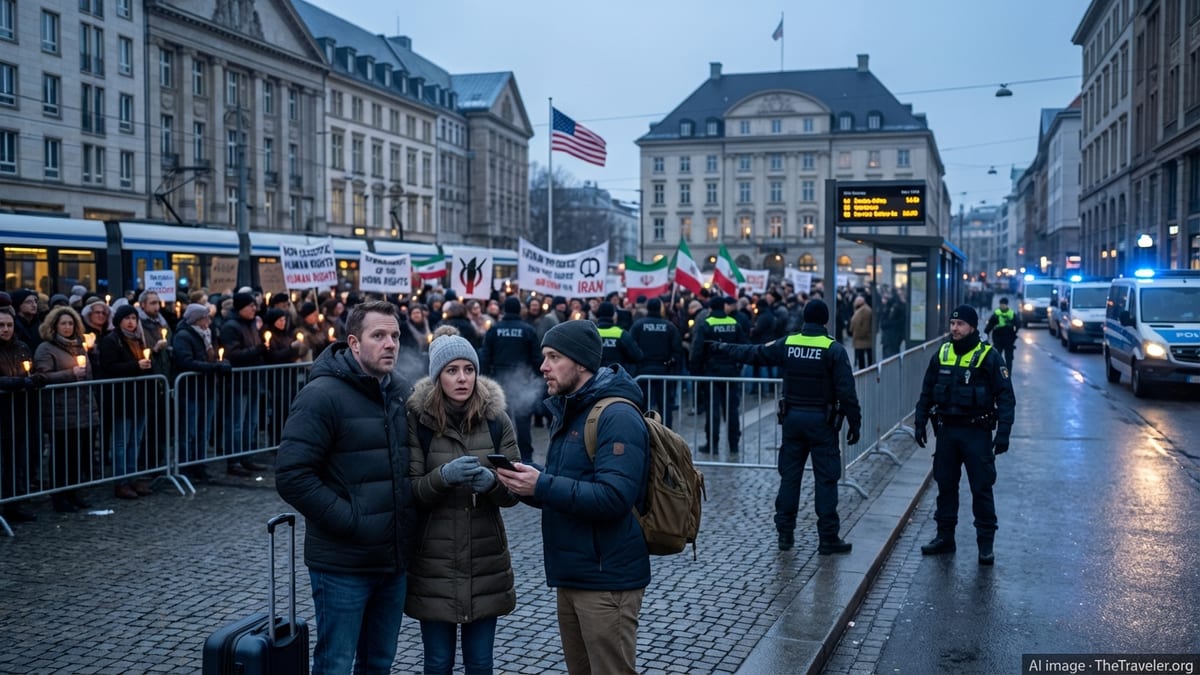
Heightened UK advice as unrest spreads across Italian cities
Updated guidance on the UK government’s official foreign travel advice portal continues to flag a specific warning about recent “violent riots and looting” linked to demonstrations in Italy. Publicly available information notes that protests and political gatherings are taking place across the country and that some events have turned violent, particularly in Milan, Turin, Rome and Bologna during October 2026.
Reports from British and European media describe how initially peaceful marches over the cost of living, housing, youth unemployment and recent education reforms escalated into street battles in parts of Milan’s historic centre on the weekend of 17 to 18 October. Images showed masked youths throwing stones and other projectiles at riot police, setting fire to makeshift barricades and damaging shopfronts in popular shopping districts.
Further demonstrations during the following weekend brought clashes in Rome, Turin and Bologna, with police deploying water cannon in at least one city and making multiple arrests according to Italian and international news coverage. A broader day of mobilisation on 31 October drew tens of thousands of people into the streets nationwide; while most marches remained peaceful, isolated confrontations again flared at the fringes of some rallies.
Travel advisories from several governments, including the UK, Ireland, Canada and Australia, have all been updated in recent days to emphasise the risk that even peaceful gatherings can turn violent without warning. The core risk rating for Italy has not shifted into a blanket “do not travel” category, but tourists are being urged to exercise increased caution, monitor local news and avoid protest areas.
Where protests are concentrated and what visitors are seeing
Current reporting indicates that the most intense unrest so far has been focused on large urban centres such as Milan, Rome, Turin and Bologna, with additional demonstrations in cities including Florence, Padua, Bari and Genoa. Central squares, government districts, university areas and major transport hubs have been common gathering points, reflecting longstanding patterns of protest in Italy.
In Milan, marches and subsequent rioting have centred on the historic core around Piazza Duomo and nearby commercial streets, areas that are also among the city’s busiest visitor corridors. In Rome, protest routes have included stretches between the Colosseum and university zones, as well as major piazzas that are familiar to tourists. Coverage from Italian and international outlets also highlights sporadic motorway and logistics blockades in regions such as Sicily and Apulia, actions that have briefly disrupted freight transport and led to temporary supermarket shortages in some localities.
Despite the headline-grabbing images of clashes and looting, accounts from recent travellers shared on public forums portray a more mixed picture on the ground. Many visitors report experiencing only minor disruption, such as diverted buses, heavier police presence or short-lived closures around demonstration routes, while sightseeing in unaffected neighbourhoods has continued much as normal. Others, particularly those staying in central shopping or government districts, describe encountering sudden gatherings, loud marches and evening tension before security forces moved in to disperse crowds.
This divergence reflects the highly localised nature of much of the unrest. For travellers, the risk level can vary significantly not only from city to city, but from one neighbourhood or day to the next, underscoring why official advice is placing renewed emphasis on situational awareness and route planning rather than broad calls to cancel holidays.
Italian emergency measures and protest crackdown
Italian national and local authorities have responded to the October unrest with a mix of security operations and legal measures. According to coverage in several European newspapers, the government introduced an emergency package in October that allows for prison sentences of up to five years and fines reportedly reaching 20,000 euros for individuals who join protest groups deemed to be “endangering public safety.” The move was presented domestically as an attempt to deter violent rioters and protect property, but has also sparked debate among civil liberties advocates.
Security forces have reinforced their presence around sensitive locations such as government offices, transport hubs and luxury shopping streets, particularly in the days leading up to announced marches. Reports indicate that hundreds of additional officers have been deployed in cities like Milan and Turin, with armoured vehicles and water cannon held on standby near anticipated flashpoints. In some instances, businesses in affected districts have opted to shutter early or board up storefronts ahead of larger protests.
The unrest has coincided with ongoing disputes in the Susa Valley over the high-speed rail project known as the TAV, long an epicentre of confrontations between activists and the state. Summer clashes at construction sites in northern Italy, followed by student-led and cost-of-living protests in October, have contributed to a perception among some international observers that social tensions are accumulating across multiple fronts.
At the same time, comparative risk assessments by international travel and security consultancies continue to classify Italy as a relatively low-threat destination for most forms of violent crime, with unrest primarily episodic and concentrated in set-piece demonstrations. This dual reality, of elevated protest risk but broadly stable overall conditions, underpins the cautious tone of current foreign travel advisories.
What the UK advisory means in practice for travellers
The UK’s decision to maintain its explicit warning on protests and potential violence in Italy does not prevent British nationals from travelling, nor does it automatically invalidate existing insurance policies. Instead, the advisory functions as a detailed caution that travellers should be prepared for disruption, avoid demonstration areas and remain alert to changing conditions in major cities.
For those planning trips in November and December, the most immediate effects are likely to involve public transport and city-centre logistics rather than direct physical danger. Localised road closures, diverted bus routes and occasional rail delays may occur around announced national strike days or large demonstrations, especially at weekends or near public holidays. Travellers connecting through central train stations in Rome, Milan, Turin or Bologna should allow extra time for security checks or crowding.
Accommodation choices can also play a role in managing risk and comfort. Stays immediately adjacent to government ministries, major university campuses or iconic central squares that frequently host rallies may bring travellers closer to any late-night noise or confrontation. Opting for neighbourhoods slightly removed from main protest routes, while still well connected by metro or tram, can help reduce exposure to potential flashpoints without significantly impacting sightseeing plans.
Travel insurers and tour operators are closely tracking the situation. Public guidance from several European consular services stresses that policyholders should review terms related to civil unrest and follow local instructions if caught near a demonstration. Some organised tours have adjusted itineraries away from likely protest zones on specific dates, while leaving overall programmes in Italy otherwise intact.
Practical safety tips for visitors heading to Italy now
With the core travel risk level for Italy remaining moderate, many experts continue to view the country as viable for tourism, provided visitors adapt to the current climate. Foreign office guidance consistently highlights a few key precautions that can materially lower exposure to unrest-related problems without drastically altering a trip.
Travellers are encouraged to check official travel advice regularly in the days before departure and during their stay, paying attention to sections on safety and security and any newly added references to specific cities or protest dates. Cross-checking this information with local news and transport announcements can help identify routes or time windows to avoid.
On the ground, visitors are advised to steer clear of any marches, rallies or large political gatherings, even if they initially appear calm. Staying a few streets away from protest columns, not stopping to film confrontations and following instructions broadcast over loudspeakers in public spaces can all reduce the risk of getting caught between demonstrators and security forces.
Standard urban travel precautions remain relevant alongside protest-related concerns. Pickpocketing and opportunistic theft can be more common in crowded situations, whether at tourist landmarks or on jammed metro platforms during a disrupted commute. Keeping valuables secure, carrying only essential documents while out, and having a contingency plan for returning to accommodation if normal routes are blocked continue to be sensible steps for trips to Italy during this period of heightened tension.