

More news on this day
Spring break travel plans for scores of passengers unraveled at Omaha’s Eppley Airfield as 10 flights were delayed and three canceled, disrupting American Airlines, Delta Air Lines, and United Airlines services to major hubs including New York, Chicago, and Denver.
Get the latest news straight to your inbox!
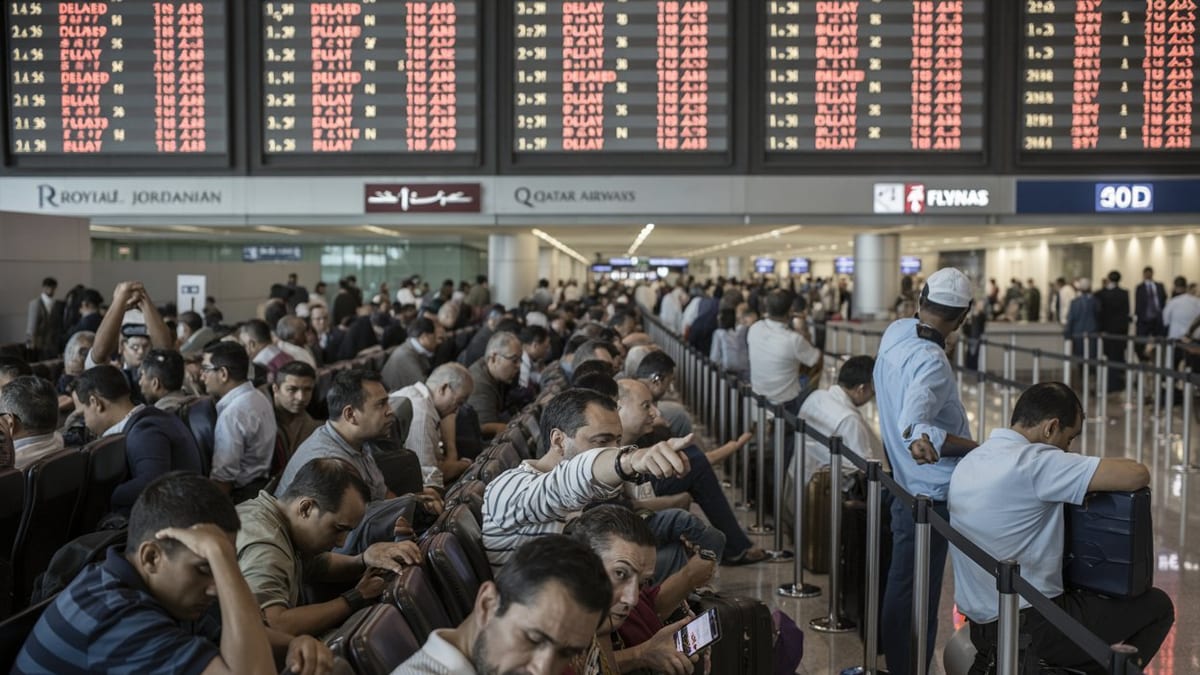
Image by Travel And Tour World
Cluster of Disruptions Hits a Key Midwest Gateway
The sequence of delays and cancellations at Eppley Airfield has left travelers facing extended waits, missed connections, and last minute changes to carefully planned holidays. Publicly available tracking data and local airport information indicate that the affected flights were concentrated on American, Delta, and United operations, which together handle a significant share of Omaha’s connections to large coastal and Midwest hubs.
The 10 delayed departures resulted in rolling schedule changes through the day, extending some waits to several hours. The three cancellations added a more serious layer of disruption, forcing some passengers to seek overnight accommodation or alternative routing at the height of the spring break rush.
Eppley Airfield serves as a primary commercial gateway for eastern Nebraska and western Iowa, feeding travelers into larger domestic and international networks via cities such as Chicago, Denver, and New York. When multiple carriers experience operational issues simultaneously at a smaller hub, options for same day rebooking can narrow quickly, particularly during peak travel periods.
Reports from national aviation monitors show that the Omaha disruption occurred against a broader backdrop of weather related and congestion driven issues across the United States in recent weeks, amplifying the ripple effects for passengers depending on tight connections.
Weather, Congestion and Tight Spring Break Schedules
Spring break coincides with a period of unsettled late winter and early spring weather across much of North America, and recent storm systems have already led to thousands of delays and cancellations nationwide. Aviation data and meteorological coverage point to high winds, heavy snow, and thunderstorms in various regions, conditions that can quickly trigger ground delay programs and capacity reductions at major hubs.
When large airports such as Chicago or New York impose arrival or departure restrictions, smaller origin points like Omaha often feel the impact in the form of delayed pushbacks or aircraft arriving off schedule. Even a modest hold at a hub can cascade into hours of disruption for a single rotation, reducing the ability of airlines to recover their schedules later in the day.
Spring break travel patterns add another layer of vulnerability. Flights to and from key hubs are typically heavily booked, leaving little spare capacity to absorb displaced passengers when things go wrong. This means that a single canceled departure from Omaha to a hub like Denver or Chicago can result in multiple missed onward flights for vacationers heading toward coastal or sunbelt destinations.
Industry observers note that airlines may proactively delay or cancel select flights in advance when forecasts indicate worsening weather at key nodes, a strategy intended to avoid aircraft and crew being stranded in locations where recovery would be more difficult. While this can mitigate wider network disruption, it often shifts a disproportionate burden onto passengers originating from smaller markets.
Impact on Connections to New York, Chicago and Denver
The latest disruptions have been particularly challenging for passengers relying on Eppley Airfield to reach New York, Chicago, and Denver, three of the busiest connecting points in the United States. These cities function as critical hubs in the networks of American, Delta, and United, handling large volumes of domestic and international traffic each day.
Travelers with itineraries connecting in Chicago and New York faced higher risks of missed onward flights, especially for transatlantic and coastal services that operate only once daily or at limited frequencies. In some cases, a delayed departure from Omaha meant arriving after the final bank of long haul departures, effectively pushing journeys back by a full day.
Denver, a major hub for connections to the Mountain West and West Coast, has also experienced periodic operational strain related to seasonal weather and heavy demand. Passengers bound for ski resorts, national parks, and leisure destinations in Colorado and neighboring states are particularly vulnerable when eastward feeder flights such as those from Omaha do not depart on time.
Because American, Delta, and United each use different primary hubs for their networks, disruptions at Eppley Airfield can have a multi directional effect. Travelers booked through Chicago on one carrier, Denver on another, and New York on a third may all find themselves competing for a limited pool of remaining seats when several flights encounter problems on the same day.
Rebooking Challenges and Limited Local Alternatives
The combination of 10 delayed flights and three cancellations at a regional airport presents immediate logistical challenges for travelers. Published airline policies indicate that standard options include same carrier rebooking on the next available flight, rerouting through an alternative hub, or in some cases refunds for unused segments.
During peak spring break periods, however, the next available seats may not be until the following day or later, particularly for parties traveling together. With American, Delta, and United all affected to some degree, opportunities to switch carriers can be limited, and some customers may look to low cost or regional alternatives that operate from Omaha on a more limited schedule.
Ground transportation options can provide a fallback for some itineraries. Travelers bound for nearby metropolitan areas or secondary airports in the Midwest occasionally pivot to car rentals or intercity buses when delays stretch into many hours. For long haul or international journeys, though, travelers remain heavily dependent on airline solutions, as overland alternatives would add days to the journey.
Travel forums and consumer advocates frequently recommend that passengers facing extended delays document their disruption, monitor real time flight status tools, and review their tickets and travel insurance for potential coverage. While compensation policies vary by airline and by cause of delay, having complete records of boarding passes, receipts, and notifications can assist with any later claims.
What Travelers Can Do Ahead of Peak Travel Days
The difficulties at Omaha’s Eppley Airfield highlight broader vulnerabilities in the U.S. air travel system during high demand, weather sensitive periods such as spring break. Industry analyses suggest that travelers can reduce, though not eliminate, their exposure to disruption through careful planning and flexible itineraries.
Booking earlier departures in the day is often advised, as on time performance tends to deteriorate as delays accumulate. Allowing longer connection times at major hubs can provide a buffer when inbound flights from smaller airports are held for weather or traffic management reasons.
Publicly available tools such as airline apps and airport information pages allow passengers to track gate changes, rolling delays, and aircraft assignments in near real time. Enabling notifications and checking flight status before leaving for the airport can help travelers respond more quickly when problems arise, whether by requesting alternative routings or adjusting ground transport and accommodation plans.
For those planning future spring break trips from Omaha and similar sized markets, the latest episode serves as a reminder that even modest clusters of delays and cancellations can have an outsized impact. Building flexibility into travel dates, avoiding last minute bookings on peak weekends, and considering travel insurance that covers extended disruptions may offer added protection when conditions turn volatile.