

More news on this day
Spring break travel plans for dozens of passengers unraveled at Omaha’s Eppley Airfield on Sunday as 10 departures were delayed and three were canceled across major U.S. carriers, disrupting connections to key hubs including New York, Chicago and Denver.
Get the latest news straight to your inbox!
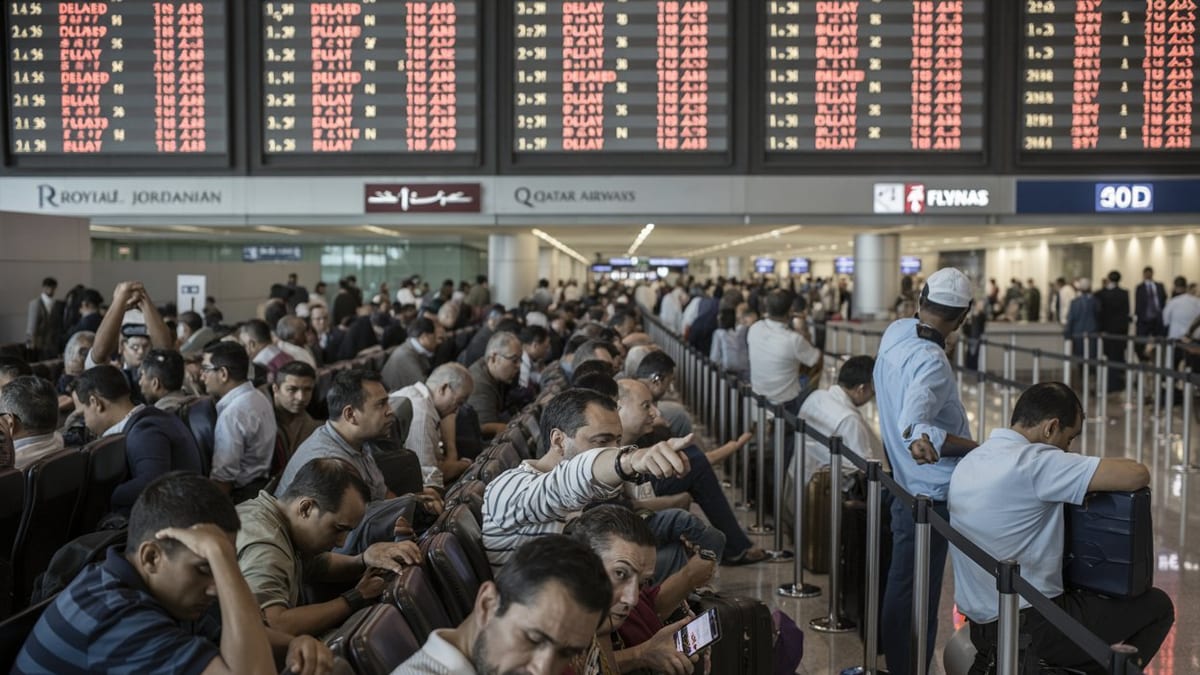
Image by Travel And Tour World
Disruptions Hit Peak Spring Break Weekend
The disruptions unfolded during one of the busiest spring break travel weekends of the season, amplifying the impact for families, students and business travelers moving through Omaha. Publicly available tracking data for Sunday showed a cluster of late departures involving American Airlines, Delta Air Lines and United Airlines, with delays ranging from modest schedule slips to extended waits of well over an hour.
Three cancellations across the big carriers left some travelers unexpectedly grounded in Omaha, forcing last minute rebookings or overnight stays. With Eppley serving as a spoke for multiple national networks, even a relatively small number of cancellations can ripple outward, complicating travel plans for passengers attempting to connect onward through major hubs.
For many spring break travelers, Omaha was only the first leg of a longer journey. The combination of delays and cancellations meant missed connections at downline airports, extended time in terminals and adjustments to hotel and activity reservations at destinations that included New York City, Chicago and Denver.
The timing heightened frustration. As schools and universities across the United States move into their peak March and early April break periods, flights are running fuller than usual, leaving fewer open seats for disrupted passengers to use when trying to rebook.
Weather and Network Strain Fuel Downline Delays
Eppley Airfield itself was not at the center of a major local weather event on Sunday, but the airlines serving Omaha are closely linked to wider national networks that have been contending with unsettled conditions and operational challenges throughout March. Recent days have seen thunderstorms around Chicago and portions of the Midwest, winter weather systems affecting central states and periods of stormy conditions along the East Coast, all contributing to congestion and schedule strain.
Industry data and recent travel waivers issued by major airlines in Chicago, New York and Denver illustrate how quickly localized weather can ripple through national operations. When hubs such as Chicago O’Hare or New York LaGuardia reduce arrivals and departures because of storms or visibility issues, flights from smaller airports like Omaha often face lengthened ground holds, delayed aircraft turns or rolling schedule adjustments.
In Denver, intermittent operational challenges tied to weather, occasional power issues and the airport’s high altitude have added complexity during an already busy travel month. The city is a key connecting point in the networks of several carriers that also serve Omaha, meaning a disruption at Denver can trigger late inbound aircraft or missed crew connections for flights that originate in Nebraska.
As a result, even if conditions at Eppley appear calm, aircraft and crews arriving from or heading to affected hubs can arrive behind schedule. That cascading effect contributes to the kind of pattern Omaha passengers saw on Sunday, with multiple delayed departures closely clustered and a handful of cancellations that could not be avoided.
American, Delta and United Passengers Face Tough Choices
Travelers booked on American Airlines, Delta Air Lines and United Airlines bore the brunt of Sunday’s disruptions. These carriers collectively operate a significant share of Eppley’s daily departures, particularly to major hubs such as Chicago, New York and Denver, and their schedules form the backbone of many connecting itineraries for Omaha-based flyers.
According to published coverage and airline network schedules, American’s operations from Omaha focus heavily on links to hubs like Chicago and Dallas, which are crucial for travelers heading on to the East Coast and international destinations. Delays on these routes can quickly translate into missed transcontinental or overseas departures for spring break travelers bound for destinations beyond New York.
Delta’s network at Eppley, often centered on connections through cities such as Minneapolis or Atlanta, can likewise be affected when storms in the broader Midwest trigger ground delay programs or air traffic restrictions. A delayed arrival into Omaha from a hub city can leave passengers waiting for a replacement aircraft, and in compressed spring schedules there may be few backup options available the same day.
United’s presence linking Omaha to Chicago and Denver makes its operations particularly sensitive to any constraints at those high-traffic airports. When either hub experiences thunderstorms, wind events or other operational slowdowns, flights feeding in from secondary markets are frequently among the first to be held, retimed or, in some cases, canceled outright, impacting Omaha passengers who rely on those connections to reach destinations across the country.
Impact on Key Routes to New York, Chicago and Denver
The disruptions at Eppley on Sunday were felt most acutely on routes feeding into New York, Chicago and Denver, three cities that serve as major gateways for domestic and international travel. Publicly available flight status information indicated that several of the affected departures were linked, directly or via connections, to these hubs.
New York bound travelers, particularly those connecting through Chicago or other Midwest waypoints, faced heightened uncertainty. With recent storms periodically affecting East Coast operations, delays in reaching a hub can mean losing a narrow connection window into New York area airports, forcing passengers onto later flights with limited remaining seats.
Chicago connections, a staple of air travel from Omaha due to the city’s role as a central U.S. hub, were also strained. Weather related slowdowns and congestion at Chicago O’Hare during March have periodically reduced capacity, and on busy spring break weekends even short delays on Omaha departures can push connections into riskier territory, especially for travelers with checked baggage.
Those heading to or through Denver encountered a similar pattern. Denver’s position as a key mountain and western gateway means that any extended delay can disrupt onward connections to popular spring break destinations in the Rockies and beyond. Reports of recent operational challenges in Denver, coupled with high seasonal demand, have made recovery options more limited for passengers originating in smaller markets like Omaha.
What Stranded Passengers Are Doing Next
With three cancellations and multiple lengthy delays, many passengers at Eppley on Sunday turned to same day rebooking, standby lists and alternative travel plans. Publicly available airline guidance for recent weather and operational waivers shows that carriers at times allow affected travelers to adjust itineraries without additional change fees, though fare differences and limited seat availability can still present obstacles.
Some travelers have looked to nearby regional airports or ground transportation as fallback options. In previous disruptions, passengers departing from Omaha have occasionally opted to drive to larger hubs when significant schedule uncertainty loomed, particularly when key connecting flights to coastal cities or international destinations were at risk.
Consumer advocates frequently recommend that passengers monitor airline mobile applications and third party flight tracking tools during periods of widespread disruption. These platforms can provide early visibility into cascading delays or equipment changes, sometimes before updates are reflected on airport departure boards, allowing travelers to request rebooking options sooner.
As airlines work through the backlog from Sunday’s schedule at Eppley, attention is turning to the remainder of the spring break period. With March and early April prone to volatile weather across multiple U.S. regions, aviation analysts note that travelers connecting through New York, Chicago and Denver may continue to see pockets of disruption and are advising flexible itineraries, longer connection times and close monitoring of flight status when possible.