

More news on this day
As travelers across the Northern Hemisphere look beyond winter and spring showers, Sri Lanka is drawing fresh attention as an April escape, with temperatures around 32°C, long hours of sunshine and generally low rainfall creating classic tropical holiday conditions across much of the island.
Get the latest news straight to your inbox!
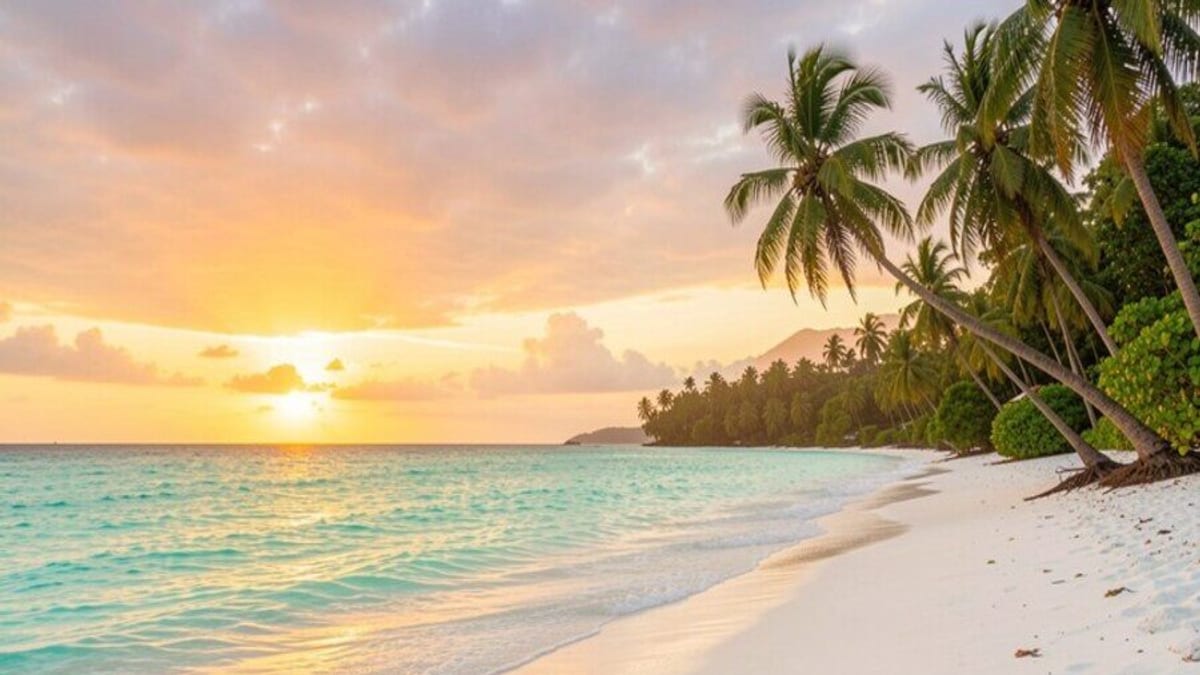
Image by Latest International / Global Travel News, Breaking World Travel News
April Emerges as a Prime Month in Sri Lanka’s Weather Calendar
Tourism data and climate guides increasingly highlight April as a sweet spot in Sri Lanka’s complex weather pattern, when much of the island sees hot, generally dry days and warm seas. Travel planners describe it as a transition between the country’s two main monsoon systems, often yielding clearer skies and beach-friendly conditions in several regions at once.
While Sri Lanka experiences a tropical climate year-round, April stands out for its consistent heat, with many coastal and lowland areas recording average daytime maximums close to 32°C. In parts of the eastern and southeastern coastline, published meteorological figures show April daytime highs edging into the low 30s Celsius, combining with relatively low monthly rainfall to create reliably summery weather.
Several travel advisories characterize April as an attractive but nuanced month, with the southwest beginning to feel the onset of its monsoon even as the north and east dry out. For visitors willing to track regional forecasts, the result can be a run of bright, virtually rain-free days that are especially appealing to beachgoers, surfers and families seeking guaranteed warmth.
The perception of “32°C bliss” is helped by long daylight hours and sea temperatures that commonly sit in the upper 20s, making it possible to swim, snorkel or surf from early morning until after sunset. Combined with improving tourism infrastructure and competitive prices, these conditions are helping Sri Lanka regain its profile as a convenient Indian Ocean alternative to more established beach destinations.
Clear Skies and Low Rainfall Draw Beach Travelers
Travel companies and destination specialists describe April as a particularly strong month for Sri Lanka’s east and northeast coasts, where resorts typically report drier conditions and less cloud cover. Areas such as Trincomalee, Nilaveli, Passikudah and Arugam Bay are frequently singled out as entering their prime season from April onward, with many itineraries shifting beach time in that direction as the month progresses.
Climate summaries indicate that the bulk of the southwest monsoon rainfall reaches the island later in May and June, which means early to mid-April often delivers a combination of calm seas, relatively clear skies and only short, localized showers in many popular regions. On the ground, recent first-hand accounts from visitors in late March and April point to extended stretches of sunshine, with rain arriving in brief bursts rather than day-long downpours.
On the southwest and south coasts, locations such as Galle, Unawatuna and Mirissa are still presented in travel literature as viable April options, particularly in the first half of the month. Tour operators advise that while humidity can be high and showers more likely than in the peak dry season from December to March, beach days remain common, and marine wildlife excursions, including whale and dolphin watching, often continue into April.
The combination of hot afternoons and relatively low rainfall has also supported a growing interest in wellness and pool-focused stays. Resort marketing materials for April stays increasingly emphasize shaded lounges, spa treatments and late-afternoon sea breezes as ways to enjoy the heat in comfort, rather than positioning the temperature as a challenge for visitors.
Beyond the Beach: Cultural Triangle and Wildlife in the April Sun
April’s warm, mainly dry conditions are not limited to the coast. Travel guides describe the month as favorable for touring Sri Lanka’s Cultural Triangle, where ancient sites such as Sigiriya, Polonnaruwa and Dambulla rise from lowland plains that can feel especially sun-baked later in the year. With daytime highs again hovering around 32°C, visitors are encouraged to time climbs and open-air sightseeing for early morning or late afternoon, preserving the hottest hours for rest or hotel pool time.
Wildlife operators report that April continues to be a workable period for safaris in several national parks, including Yala, Udawalawe and Gal Oya. Road conditions are generally good, and vegetation has not yet reached the thickest growth associated with peak monsoon rains. In the southeast, birdlife specialists point to late April as the start of an important migratory window in and around Kumana National Park, drawing enthusiasts eager to combine sunny beach weather with time in wetlands and lagoons.
In the hill country around Ella, Nuwara Eliya and Kandy, the climate in April offers a contrast to the heat of the lowlands. Published temperature ranges for these central highlands show cooler nights and milder daytime highs, often in the low to mid 20s Celsius, providing a respite for travelers who find the coastal 32°C heat intense. As rail journeys through tea country remain a signature experience, many itineraries now frame April as a good month to pair a few days of intense beach sun with cooler, misty mornings in the interior.
This mix of climates within a relatively small area allows April travelers to tailor their experience, with one-week trips often dividing time between cultural sites, wildlife reserves and coastlines. Industry observers note that such combinations are increasingly promoted as Sri Lanka seeks to position April not only as a beach month but as a window for broader exploration under generally cooperative skies.
Festivals, Crowds and Practical Planning for April Trips
April in Sri Lanka is also shaped by its place in the country’s cultural calendar. Publicly available information highlights mid-April as the traditional Sinhala and Tamil New Year, one of the island’s most significant annual celebrations. This period typically brings a surge in domestic travel, holiday closures and a festive atmosphere, with firecrackers, food stalls and family gatherings visible across cities and villages.
For international visitors, the New Year period can be both a draw and a logistical consideration. Transport services and some government offices may operate on limited schedules for several days, while accommodation in coastal and urban centers can book out earlier than usual. Travel advisories therefore suggest securing trains, long-distance transfers and hotel reservations well ahead of time for stays that overlap with the mid-April holidays.
Despite those pressures, travel agencies report that April remains less crowded overall than the peak European winter months from December to February, when Sri Lanka sees some of its highest inbound visitor numbers. That relative easing of demand can translate into more competitive room rates, greater availability of local guides and a calmer atmosphere at major heritage sites, without sacrificing the bright, hot weather many beachgoers seek.
Practical advice for managing the 32°C daytime heat typically centers on sun protection and hydration. Visitors are encouraged to schedule outdoor activities early or late in the day, carry lightweight clothing that covers shoulders and legs, and make use of Sri Lanka’s widespread availability of fresh fruit juices and coconut water. Health guidance also emphasizes the importance of reef-safe sunscreen and responsible waste disposal to protect the island’s marine environments during the growing April tourism season.
A Strengthening Case for an April Escape
The convergence of long, sunny days, sea temperatures well above typical summer levels in Europe and a broad mix of landscapes is helping Sri Lanka build a stronger case as an April escape. Travel publishers now routinely feature the island in shortlists of shoulder-season destinations, citing its ability to offer what many holidaymakers describe as “true tropical” conditions at a time when much of the world is still warming up.
Industry commentary suggests that Sri Lanka’s value proposition is also resonating with cost-conscious travelers. Package comparisons show that April itineraries, particularly those focusing on the emerging east coast resort areas, can undercut equivalent stays in more established Indian Ocean destinations while delivering similar levels of sunshine and warmth.
As tourism numbers continue to recover, local businesses are adjusting their offerings to match April demand, extending opening periods on key coastal routes and promoting experiences that hinge on clear skies and calm seas, from sunrise yoga on the beach to night-time turtle watching. With average daytime temperatures around 32°C and an increasing likelihood of rain-free days in key regions, Sri Lanka is positioning itself as a compelling option for travelers planning an unforgettable tropical escape as spring unfolds.