

More news on this day
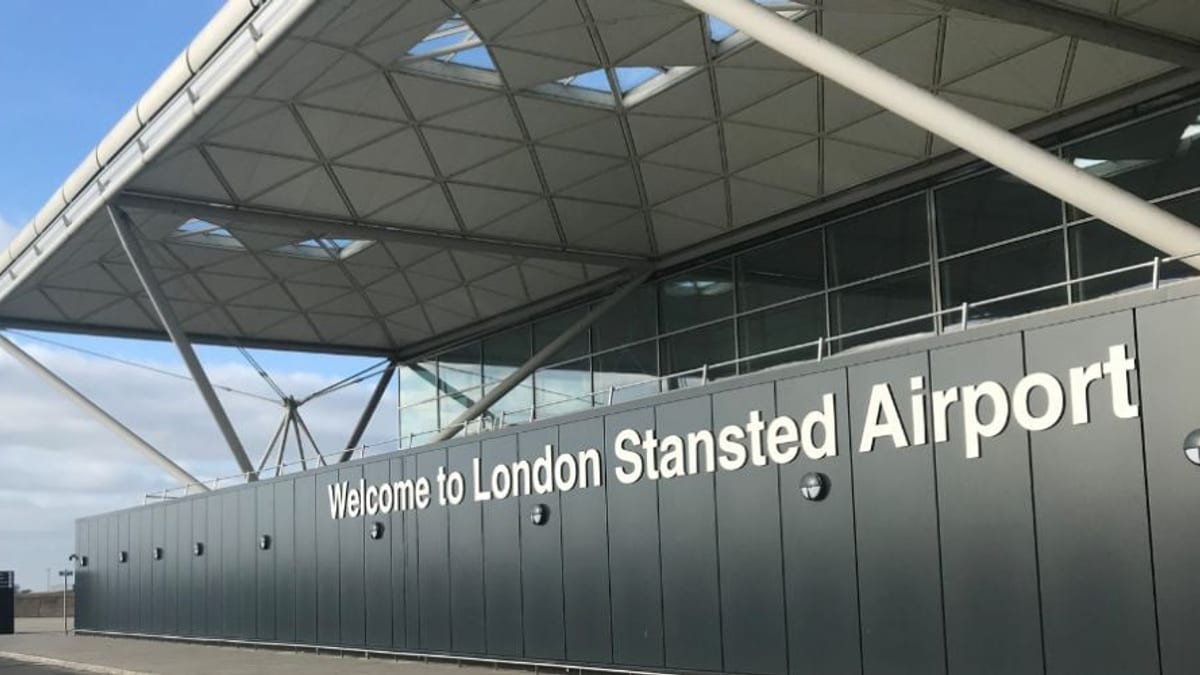
Passengers flying from London Stansted Airport next week are being urged to brace for disruption, as a planned three-day strike by aviation workers is expected to trigger queues, delays and potential flight cancellations across one of the UK’s busiest low-cost hubs.
Get the latest news straight to your inbox!
Three-day walkout timed for peak spring travel
According to recent UK aviation and transport coverage, ground handling and support staff serving airlines at Stansted have announced a three-day walkout scheduled for next week, at a point when spring holiday traffic is already running high. The action is expected to affect operations across multiple shifts, rather than a single limited time window, increasing the risk of extended disruption throughout each strike day.
Reports indicate that the strike has been called in connection with an ongoing dispute over pay and conditions, following a period in which staff shortages and higher living costs have put pressure on workers across the aviation sector. Unions involved in the action have framed the timing as necessary to gain leverage, while airlines and airport managers are preparing contingency plans in an effort to keep as many flights running as possible.
While final details of staffing levels and exact service reductions typically only become clear closer to the start of a walkout, experience at other European airports shows that even partial strikes can have a sizeable knock-on effect. Delays can build when aircraft are slow to turn around at stands, bags take longer to process, or boarding and disembarkation are slowed by reduced staffing.
Published forecasts for Stansted’s schedule next week show a dense programme of short-haul departures to European city and leisure destinations, particularly in the early morning and late evening peaks. Any disruption in those waves of flights can quickly ripple into the rest of the day, especially for low-cost carriers that rely on rapid turnarounds.
Potential impact on flights, queues and baggage handling
Travel-industry analysis suggests that passengers are most likely to feel the effects of the strike at key pinch points such as check in, security screening, boarding gates and baggage reclaim. Reduced staffing in ground services or support roles can mean longer lines at bag drop, slower movement of hold luggage between terminal and aircraft, and delayed unloading of arriving bags.
Recent industrial action at other major European airports has already demonstrated how quickly disruption can escalate under similar conditions, with reports describing hundreds of delayed flights and large numbers of suitcases left waiting in sorting halls. These examples are shaping expectations for what could happen at Stansted if the strike proceeds without a last-minute deal.
Airlines operating from Stansted, many of which follow tight turnaround schedules, are particularly exposed when there are delays in getting aircraft pushed back from stands or in receiving inbound flights from elsewhere in Europe. Late arriving aircraft can force airlines to shuffle crews and rotate planes between routes, which can in turn trigger further delays or tactical cancellations to stabilise the schedule.
Industry observers note that baggage and ground handling disruption also has secondary effects for travellers beyond simple waiting times. Longer queues can increase the risk of passengers missing flights despite arriving early, while delayed bags can complicate onward connections and holiday plans at the destination.
Advice for travellers using Stansted during the strike
Consumer travel organisations and passenger-rights platforms are advising anyone due to fly via Stansted on the strike days to build extra time into their journey and to monitor information from their airline closely. Many carriers are expected to issue updated guidance through their apps, email and text alerts as the situation evolves, and may offer fee-free rebooking options in some cases.
Standard guidance in similar situations is to arrive earlier than usual for departure, particularly for morning flights that may face the heaviest queues. Travellers are also encouraged to complete as many formalities as possible before reaching the airport, including checking in online, downloading boarding passes and prepaying for any hold luggage where required.
Published advice from flight compensation specialists stresses the importance of keeping records if disruption occurs. Passengers are urged to save boarding passes, receipts and any written notices of delay or cancellation. These documents can be critical later on when assessing eligibility for reimbursements or compensation under UK and European air passenger rights rules, which depend on the cause of any disruption and whether it falls under the control of an airline.
For those with onward journeys, including rail or ferry connections, travel commentators recommend considering more generous connection times than usual or flexible tickets that can be changed without large penalties. Given the potential for rolling delays to continue beyond the immediate strike periods, even travellers not flying directly on the affected days could experience residual disruption.
Part of a wider wave of aviation strikes in Europe
The planned walkout at Stansted comes amid a broader pattern of labour disputes across Europe’s aviation network this year. Recent weeks have seen industrial action involving ground handlers, security staff and air traffic controllers in several countries, with reports of more than a thousand delays and hundreds of cancellations on some of the worst affected days.
Analysts point to a combination of factors driving this trend, including post-pandemic staffing gaps, increased demand for air travel, and persistent disagreements over pay and working conditions in the face of higher inflation. As traffic levels have approached or exceeded pre-pandemic volumes at many hubs, staff have argued that wages and staffing levels have not kept pace.
For passengers, the result has been a more fragile travel environment in which localised problems can quickly spread across borders. Late departures from one hub can lead to missed arrival slots and crew-availability issues at others, creating a domino effect that extends disruption well beyond the airport where a strike or technical issue began.
Stansted’s role as a key base for low-cost carriers connecting the UK with destinations across continental Europe means that any sustained disruption there could feed into wider scheduling issues, particularly on high-frequency routes. Travel analysts note that carriers may respond by consolidating flights, prioritising certain routes, or repositioning aircraft to other airports if the impact of the strike proves prolonged.
What to watch for in the days ahead
In the run up to the planned industrial action, travellers are being advised to keep a close eye on official statements from airlines and updated travel advisories from aviation and transport bodies. It is not uncommon for negotiations between unions and employers to continue until shortly before a walkout, raising the possibility of partial agreements, reduced strike hours or even temporary suspensions of action.
However, recent experience at other airports suggests that even when formal strike plans are softened at the last moment, operational adjustments made in anticipation of disruption can still result in reduced capacity and lingering timetable changes. Aircraft and crew that have already been repositioned, along with preemptive schedule cuts, can limit the speed at which normal operations resume.
For now, the main message emerging from travel industry coverage is one of preparedness. Passengers booked to travel through Stansted on the affected days are encouraged to treat the situation as fluid, to verify their flight status repeatedly in the 24 hours before departure, and to plan for the possibility of extended waits or changes to their itinerary.
With the spring holiday period underway and air travel demand running high, how effectively Stansted and its airline partners manage the three-day strike will be closely watched by both travellers and industry observers, and may influence strategies for handling future labour disputes across the European aviation network.