

More news on this day
Storm Dave swept across western Sweden on Sunday, disrupting air traffic at Gothenburg’s Landvetter Airport and creating long delays for passengers waiting to reclaim checked baggage.
Get the latest news straight to your inbox!
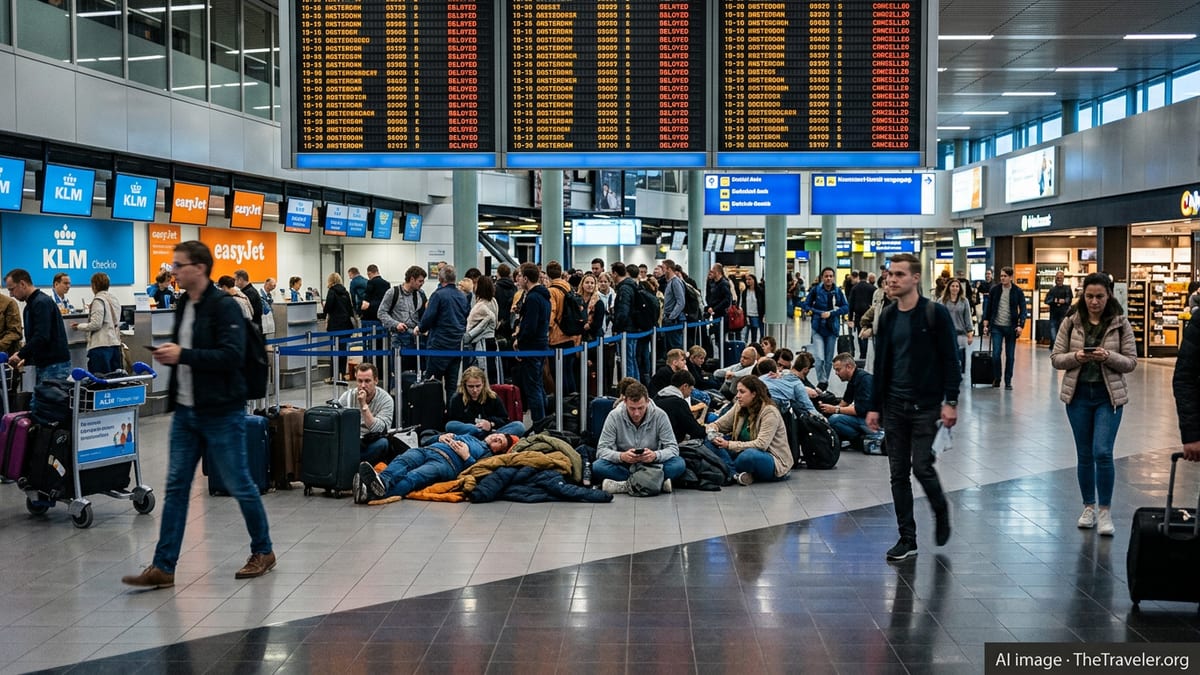
High winds force diversions and cancellations
According to published coverage from Scandinavian aviation and broadcast outlets, Storm Dave brought wind gusts above 30 metres per second to parts of Sweden’s west coast on April 5, disrupting scheduled traffic into and out of Gothenburg. Landvetter Airport, the main international gateway for the region, saw multiple flights cancelled or diverted as pilots and operations teams adjusted routes in response to the conditions.
Aviation industry reporting indicates that several services bound for Gothenburg or transiting nearby airspace were rerouted to alternative airports, including Copenhagen, Oslo and other regional hubs. A number of departures from Landvetter were also cancelled or delayed as airlines reassessed aircraft positioning and crew duty times in the fast‑changing weather.
Publicly available data from flight tracking and airport information platforms shows irregular operations across a mix of carriers, from low‑cost operators to full‑service airlines and cargo flights. For passengers, the impact was felt in extended time on board, unexpected airport changes and missed onward connections.
The disruption at Landvetter formed part of a broader pattern of travel problems across western Sweden as Storm Dave moved inland, with forecasters highlighting the risk of falling trees, debris and reduced visibility on roads and rail lines.
Baggage handling slowed by safety constraints
Reports from Swedish media describe particular challenges around baggage handling at Landvetter as the storm intensified. Ground staff faced powerful crosswinds on the apron, complicating the use of baggage belts, tugs and lifts around parked aircraft and prompting more cautious procedures for opening cargo holds.
Coverage from national radio outlets notes that passengers arriving in Gothenburg on Sunday evening were warned to expect longer than usual waits at the baggage carousels. In some cases, luggage remained on aircraft or was offloaded in stages, as teams balanced the need to protect staff and equipment with efforts to deliver bags to the terminal.
Separate entertainment and lifestyle reporting in Sweden highlighted the knock‑on effects of these delays, with at least one well‑known performer arriving in Gothenburg to find stage outfits and other checked items temporarily inaccessible. That incident underscored how even when flights are able to land safely, storm‑related restrictions on ramp operations can continue to affect travellers for hours afterward.
Airport operational guidelines and past practice show that in high winds, access to certain sides of an aircraft may be limited, and the opening of cargo doors can be delayed if there is a risk of damage. During Storm Dave, those precautions contributed to slower baggage delivery and occasional confusion in the arrivals hall.
Travelers face extended waits and itinerary changes
By Sunday evening, a patchwork of delays, cancellations and diversions had developed across Landvetter’s schedule. Passengers arriving in Gothenburg after being rerouted through other Scandinavian airports reported longer travel days and rearranged plans, while those departing the city had to navigate last‑minute timetable changes and revised boarding times.
Information made publicly available by regional broadcasters indicated that some travellers were advised to budget extra time at the airport and to monitor airline apps and departure boards closely. With the storm’s strongest winds concentrated over western Sweden, the timing of individual flights became highly sensitive to short windows of improved conditions.
For passengers waiting at baggage claim, the most visible sign of the disruption was the gap between arriving at the carousel and seeing the first suitcases appear. While some flights saw only moderate delays, others experienced significantly longer waits, as ground handling teams sequenced aircraft according to safety assessments and operational priorities.
Travel forums and consumer guidance often recommend carrying key essentials in hand luggage during periods of unsettled weather, and Storm Dave provided a real‑time illustration of why that advice remains relevant for travellers passing through Gothenburg and other exposed Nordic airports.
Wider impact across western Sweden’s transport network
The problems at Landvetter came as Storm Dave triggered broader weather alerts for western Sweden. According to regional news summaries, forecasters issued an orange warning for parts of the coast, urging residents to secure loose objects and limit unnecessary travel while the strongest winds passed through.
Road and rail operators in the Gothenburg area also prepared for potential disruption from falling branches, debris and localised power outages. While early indications suggested that the most severe impacts were relatively short‑lived, the storm added complexity to journeys that relied on multiple modes of transport, such as airport bus transfers and long‑distance rail connections.
For Gothenburg’s tourism and events sector, the unsettled conditions arrived during a busy spring period that includes holiday travel and cultural programming. With Landvetter acting as a key gateway for international visitors, any sustained disruption to flight schedules and baggage handling can have ripple effects on hotel check‑ins, cruise departures and regional sightseeing plans.
As Storm Dave continued its track northeast, meteorological agencies signalled that the system would gradually weaken, allowing aviation and ground transport operations in and around Gothenburg to normalise. However, the episode is likely to prompt renewed attention to how airports on Sweden’s exposed west coast prepare for, and communicate during, intense wind events.