

More news on this day
Air travellers using Dublin Airport are facing mounting disruption after 15 flights were cancelled on Saturday as Storm Dave’s strong winds and heavy rain swept across Ireland, with further operational impacts expected into the night.
Get the latest news straight to your inbox!
Storm Dave Brings High Winds and Weather Alerts
Storm Dave moved across Ireland on Saturday 4 April, bringing strong southerly winds, heavy showers and the risk of coastal gales. Forecasters indicated that wind speeds would increase through the afternoon and evening, making conditions challenging for aviation and surface travel alike.
Met Éireann has issued a status yellow wind warning for the entire country, in force from early afternoon through the early hours of Sunday. In parts of the southeast, including Wexford, the alert level for wind was raised to orange for a period on Saturday evening, reflecting the potential for more severe gusts and difficult conditions.
National coverage describes the storm as part of an unsettled Easter weekend pattern, with rapidly changing conditions and squally showers moving in bands across the country. Higher ground is seeing the worst of the conditions, with a risk of sleet or wet snow, while coastal areas are braced for large waves and possible overtopping.
Across the wider region, Storm Dave is also being tracked by UK and Irish forecasters, who warn that the system is likely to deepen as it moves northwards, bringing further gusty conditions to Northern Ireland and parts of Britain over the coming 24 hours.
Fifteen Flights Cancelled as Airport Operations Adjust
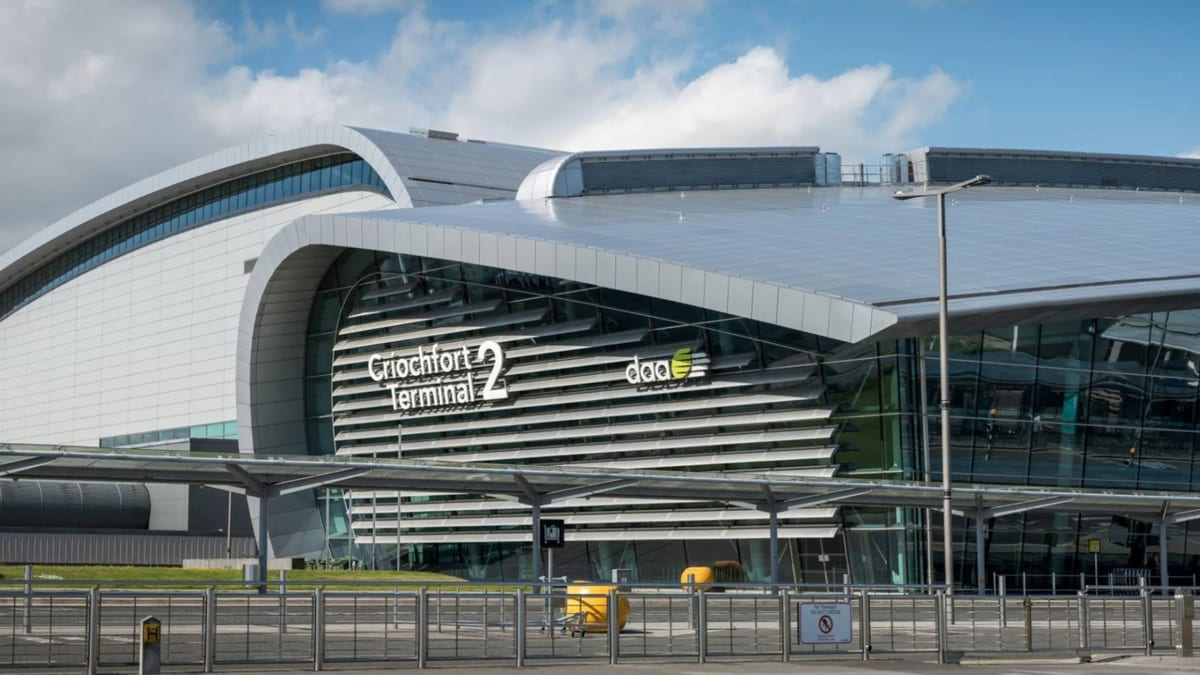
According to multiple Irish media reports, Dublin Airport confirmed that airlines had cancelled 15 flights on Saturday in response to the storm. The disruption affected a mix of departures and arrivals, with dangerous crosswinds cited as the key factor behind the decision to scale back operations.
Coverage from national and regional outlets indicates that the cancellations were concentrated in the afternoon and evening peak, when the strongest winds were expected to impact the airfield. In addition to the outright cancellations, at least one inbound service was diverted and a series of go-arounds were reported as pilots abandoned landing attempts in turbulent conditions.
Publicly available updates from the airport and airlines urge passengers to monitor flight status closely and check directly with carriers before setting out for the terminal. The airport has signalled that further disruption is possible as the weather system continues to move across the country and operational decisions are reviewed on a rolling basis.
While the total number of cancellations remains relatively modest compared with major winter storms in previous years, the timing during a busy holiday period means that even limited disruption is being closely watched by the travel industry and passengers alike.
Knock-On Impact for Easter Holiday Travel
The arrival of Storm Dave coincides with one of the busiest travel weekends of the spring, with many passengers heading abroad or returning home for the Easter period. Irish travel and tourism outlets report brisk demand for city breaks and short-haul leisure trips from Dublin, adding pressure on airlines and ground handlers as they work within weather constraints.
Disruption at Dublin Airport has domestic ripple effects, particularly on connecting passengers who rely on onward flights through other European hubs. Travel advisories note that even travellers whose flights are operating may encounter delays, gate changes or missed connections if schedules remain volatile into Saturday night.
On the ground, Transport for Ireland has warned of possible interruptions across bus, rail and tram networks as a result of the same weather system. The national advisory highlights the risk of fallen branches, debris on roads, poor visibility and localized flooding, urging passengers to allow extra time for journeys and to check for service updates over the weekend.
For those already in transit, travel media suggest carrying flexible plans, including alternative routes and later departure options, in case conditions deteriorate or operators impose speed restrictions and temporary suspensions on certain routes.
Power Outages and Wider Weather Disruption Across Ireland
Storm Dave is not only affecting aviation. Irish regional media are reporting thousands of homes and businesses without power in parts of Donegal, Offaly and other counties, as high winds bring down trees and damage overhead lines. Utility crews are being deployed across multiple sites, but restoration work is dependent on improving conditions and safe access.
Coastal communities are also feeling the impact, with images circulating of rough seas, spray overtopping harbour walls and challenging driving conditions on exposed routes. Weather warnings underscore the potential for sudden squalls and strong gusts, making high-sided vehicles and cyclists particularly vulnerable on open stretches of road.
Local authorities have cautioned that clean-up efforts may extend into Sunday and Monday, as debris is cleared and minor flooding recedes. Public amenities and outdoor events have been curtailed in several areas as a precaution, underlining the broader reach of the storm beyond the country’s main transport hubs.
Despite the unsettled conditions, forecasters expect winds to gradually ease as the system tracks away, though residual showers and blustery conditions are likely to linger into the early part of the week, keeping travel operators on alert for additional minor disruption.
What Air Passengers Should Do Today
For travellers scheduled to use Dublin Airport during Storm Dave, aviation and consumer travel platforms offer consistent guidance. The primary recommendation is to check the live status of flights directly with airlines before leaving home, as schedules can change at short notice when weather conditions worsen.
Passengers whose flights are cancelled can typically choose between rebooking on a later service or seeking a refund, in line with airline policies and applicable passenger rights rules. Travel rights organisations advise keeping records of all notifications, boarding passes and receipts in case claims need to be made for meals, accommodation or alternative transport.
Those whose flights remain scheduled are encouraged to arrive in good time, but not excessively early, to avoid unnecessary crowding in terminal areas. With strong winds and heavy showers forecast around the airport campus, passengers should factor in slower road conditions, possible public transport delays and longer security queues during peak periods.
Travel publications also note that flexibility is key during fast-changing weather events. Choosing hand luggage where possible, keeping essential medications and documents easily accessible, and staying alert to announcements on concourse screens and via airline apps can help reduce stress if last-minute operational changes are required.