

More news on this day
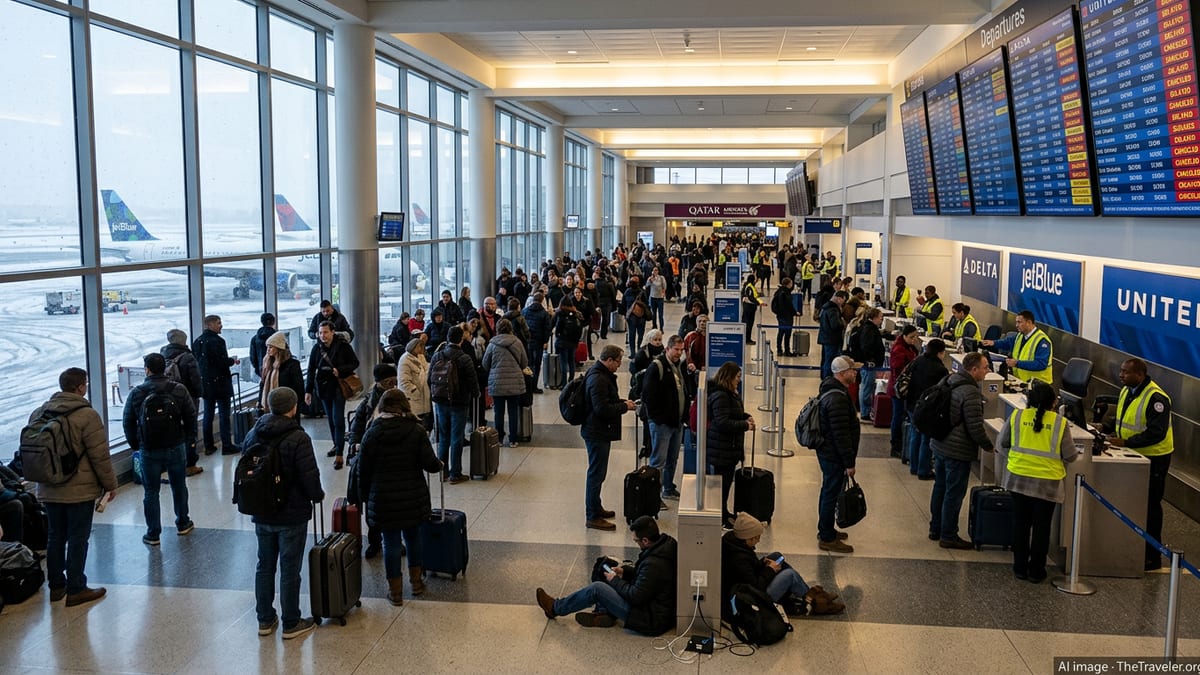
Travelers at Boston Logan International Airport faced mounting frustration on Saturday as more than 20 flights were canceled and over 300 delayed, with disruptions on JetBlue, United, Delta, Lufthansa, Qatar Airways and other carriers snarling connections across the United States, Europe and West Asia.
Get the latest news straight to your inbox!
Severe Weather and Network Strain Hit Boston Hub
The latest wave of disruption at Boston Logan followed a fast-moving winter system sweeping through New England, bringing heavy, wet snow, gusty coastal winds and low visibility that slowed runway operations and triggered cascading schedule changes. Ground crews were forced to space out departures, extend de-icing times and temporarily halt some ramp activity, cutting into an already tight weekend timetable.
While the raw number of cancellations at Logan remained in the dozens, the sheer volume of late departures and missed slots quickly overwhelmed the airport’s operating rhythm. Boston serves as a crucial northeast node for both domestic and transatlantic traffic, meaning even a relatively modest cluster of canceled flights can send shockwaves through airline networks as aircraft and crews fall out of position.
By mid-morning, large screens in multiple terminals showed rows of flights labeled delayed, some by only 30 to 45 minutes, others by several hours. Passengers bound for cities such as Chicago, Atlanta and Dallas, as well as long-haul destinations including Frankfurt, Doha and major Gulf hubs, found themselves lining up at service desks seeking rebooking options and overnight accommodation.
Airport officials emphasized that safety remained the first priority and advised travelers to check their carrier’s app or text alerts before leaving home. However, with the weather pattern forecast to linger and knock-on congestion building along the East Coast and into Europe, there were few quick fixes for those already at the terminal.
JetBlue, United, Delta and Global Partners Scramble
Logan’s largest carriers bore the brunt of Saturday’s turmoil. JetBlue, which maintains a significant operation at the airport, proactively scrapped a slate of departures to reduce later-day gridlock and free up aircraft for more heavily booked routes. United and Delta followed similar playbooks, canceling select services and consolidating others in an effort to preserve long-haul and hub-to-hub connectivity.
On the international side, Lufthansa and Qatar Airways faced difficult choices as they weighed departure times against crew duty limits and tight arrival curfews at European and West Asian airports. A delayed evening push out of Boston can translate into missed morning banks in Frankfurt, Doha or beyond, forcing airlines to hold aircraft on the ground and inconvenience onward passengers.
Airline representatives said most affected customers were being rebooked on later flights over the weekend, though popular leisure routes and school holiday getaways were close to full, leaving limited spare seats. Some travelers were offered rerouting through alternative U.S. gateways such as New York, Washington or Chicago, adding extra connections and longer travel days to already strained itineraries.
Across the concourses, temporary customer care desks were set up to distribute meal vouchers and assist with hotel requests. While policies varied by carrier and by the specific cause of delay, many passengers reported long waits to speak with agents at peak times, with queues snaking around corners in the early afternoon.
Ripple Effects Across the U.S., Europe and West Asia
The operational challenges at Boston Logan did not remain a local issue for long. Aircraft that should have departed on early morning transcontinental and European runs were still sitting on the ground hours later, disrupting afternoon departures from cities as far-flung as Los Angeles, San Francisco, London and Istanbul.
In the United States, midwestern and southern hubs reported delays on flights scheduled to receive Boston-originating connections, while some return services were held to wait for late-arriving crews and inbound aircraft. That in turn generated new bottlenecks at busy air traffic control sectors along the Eastern Seaboard, compounding the slowdown.
Passengers traveling between Europe and West Asia were also caught in the crossfire. Missed Boston feed flights onto transatlantic services meant some travelers did not reach continental connection points in time for onward departures to the Gulf region and beyond. With many long-haul routes operating only once daily, those affected often faced 24-hour waits for the next available service.
Aviation analysts noted that the incident underscored how tightly coupled modern airline networks have become. A few hours of restricted operations at a single northeastern hub can reverberate across multiple continents, especially during peak travel periods when load factors are high and spare aircraft are scarce.
Stranded Passengers Confront Long Lines and Limited Options
Inside Logan’s terminals, the human impact of the disruptions was evident. Families with young children camped near power outlets to keep devices charged, business travelers fielded calls from clients explaining missed meetings, and international visitors anxiously refreshed their phones for gate updates that often slipped further into the evening.
Several travelers reported difficulty securing last-minute hotel rooms close to the airport as demand spiked. Those able to rebook for the following morning said they were weighing whether to stay landside overnight or endure security queues again at dawn. Others, particularly students and budget-conscious tourists, opted to remain in the terminal rather than incur unexpected accommodation costs.
Food and beverage lines swelled during traditional meal times, with some outlets running low on grab-and-go options as flights that should have departed remained on the ground. Airport staff encouraged passengers to be patient and, where possible, to make use of quieter concourses and less crowded security checkpoints to relieve congestion.
Despite the frustration, many travelers expressed understanding that airlines and the airport were juggling safety, staffing and complex scheduling constraints in difficult conditions. Still, calls for clearer, more consistent communication about evolving delays and realistic departure times grew louder over the course of the day.
What Travelers Can Expect Next
With aircraft and crews out of position, airlines warned that knock-on delays could persist into Sunday, even if weather conditions at Boston Logan improved. Early morning departures were expected to be particularly vulnerable as carriers worked to reset rotations and bring aircraft back onto planned schedules.
For passengers holding tickets over the next 24 to 48 hours, travel experts advised monitoring flight status frequently, enrolling in airline text alerts and considering carry-on baggage only where feasible to retain flexibility. Those starting their journeys at Logan were urged to allow extra time for security screening and to be prepared for gate or terminal changes at short notice.
Some carriers introduced temporary travel waivers, allowing customers booked to or from Boston to change dates without standard penalties, subject to fare differences and specific eligibility windows. Travelers planning tight international connections through European or West Asian hubs were encouraged to explore options that build in longer layovers, given the risk of continued late arrivals from the United States.
While Saturday’s turmoil highlighted the vulnerability of global air travel to regional weather events, it also underscored the importance of resilient infrastructure and transparent communication. As airlines, airport authorities and air traffic controllers worked to restore normal operations, thousands of passengers adjusted plans, rebooked journeys and hoped that Boston’s skies would clear in time for smoother travel days ahead.