

More news on this day
Travelers across the United States faced another day of flight headaches as Chicago O’Hare International Airport recorded six cancellations and 233 delays, with disruptions cascading onto United, SkyWest, Spirit and other airlines operating key routes through Chicago, Atlanta, Dallas, Denver and additional hubs.
Get the latest news straight to your inbox!
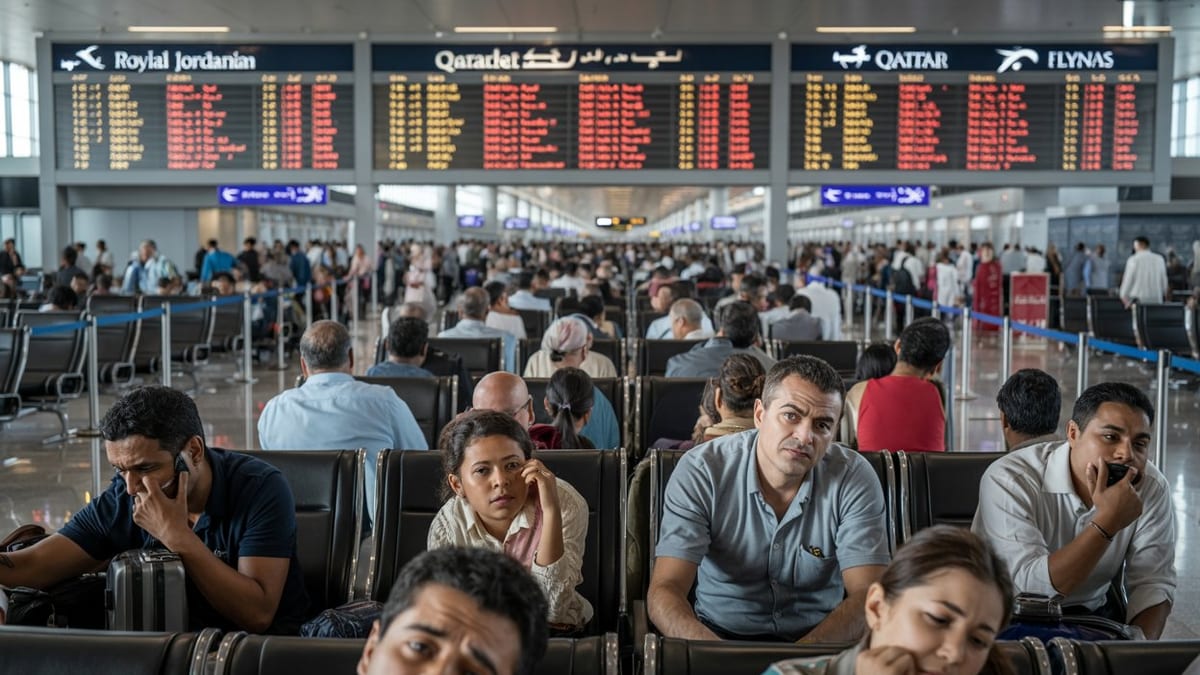
Weather And Volume Combine To Slow Operations At O’Hare
Publicly available data on April 2 indicates that O’Hare once again ranked among the country’s most affected airports for delays, despite only a handful of outright cancellations. Industry trackers show six flights cancelled and 233 delayed in and out of the airport, illustrating how a relatively small number of scrapped services can coexist with a far larger wave of late departures and arrivals when the system is under strain.
Reports from recent days point to a combination of thunderstorms in the Chicago area and heavy spring travel demand as primary contributors. Earlier in the week, severe weather prompted ground stops and ground delay programs targeting O’Hare, creating a backlog of aircraft and crew that can take days to unwind even after conditions improve. Airlines then face the difficult task of rebalancing planes and staff while trying to preserve as much of the published schedule as possible.
O’Hare’s role as a major connecting hub intensifies the impact. When departures are held on the ground or forced into lengthy arrival queues, tight connections become difficult to make, and even modest delays can ripple into missed flights for passengers who might never set foot in Chicago itself.
United, SkyWest, Spirit And Others See Knock-On Disruptions
The latest figures show that the six cancellations and 233 delays at O’Hare did not fall on a single carrier, but instead hit a cross-section of airlines that operate dense schedules through the airport. United and regional partner SkyWest, which together run hundreds of daily departures from O’Hare, were especially exposed, with delayed operations affecting routes into and out of cities including Atlanta, Dallas and Denver.
Low-cost carrier Spirit, which uses O’Hare for both point to point and connecting traffic, also experienced disruptions, according to flight status boards and tracking platforms. Even when flights were not cancelled, late inbound aircraft frequently forced crews to push back departure times, leading to rolling delays that stretched through the afternoon and evening peak hours.
Other domestic operators serving O’Hare, including major network rivals and smaller regionals, were not immune. As aircraft and crews arrived late from Chicago, they in turn pushed back departures at downline airports, spreading the operational challenges across multiple states and time zones.
Ripple Effects Felt At Atlanta, Dallas, Denver And Beyond
The disruption at O’Hare quickly extended into other large U.S. hubs. Flight status information shows delayed arrivals and departures on routes linking Chicago with Atlanta, Dallas and Denver, three of the nation’s busiest connecting points. Passengers traveling between southern, mountain and coastal cities often rely on a Chicago connection, meaning issues there can be felt across the country.
At Atlanta and Dallas, delayed Chicago flights affected both morning and afternoon banks, tightening connection windows and in some cases forcing travelers to be rebooked on later services. Denver saw a similar pattern, particularly on routes tied to United and its regional partners, where late arriving aircraft from O’Hare compressed turnaround times and added pressure to already busy gates.
Secondary airports that normally depend on reliable Chicago links also saw knock-on effects. Smaller Midwest and Great Lakes cities with a limited number of daily flights to O’Hare faced longer gaps between services when earlier departures ran behind schedule, leaving some travelers waiting hours for the next available connection.
O’Hare’s Chronic Congestion Under Renewed Scrutiny
The latest day of disruption arrives as regulators and airport stakeholders debate how to address chronic congestion at O’Hare. Recent federal filings and policy discussions highlight concerns about overscheduling at the airport, which has consistently ranked among the nation’s leaders for flight delays. Proposals under consideration include tighter caps on hourly operations in peak periods in an effort to reduce gridlock and create a more realistic schedule.
Analysts note that even relatively modest weather events can cause outsized problems when an airport is operating near the limits of its runway and airspace capacity. When storms or low visibility conditions reduce the rate at which aircraft can land or take off, the gap between planned and feasible operations widens rapidly, forcing airlines and air traffic managers to rely on ground delay programs and, in some cases, cancellations to stabilize the system.
For airlines such as United, which is planning further expansion at O’Hare, any additional caps or scheduling restrictions could require difficult choices about which routes to prioritize. At the same time, proponents of tighter limits argue that a leaner, more manageable schedule would lead to fewer systemwide meltdowns like the one that produced the six cancellations and 233 delays reported today.
Travelers Confront Missed Connections And Longer Journeys
For passengers, the operational challenges at O’Hare translated into long lines at customer service desks, crowded gate areas and tight or missed connections. Many travelers found themselves rebooked through alternative hubs such as Houston, Minneapolis or Charlotte when same day options via Chicago were no longer viable, extending total journey times and complicating plans at their final destinations.
Published guidance from airlines emphasizes standard steps for dealing with disruptions of this kind, including checking mobile apps for rebooking options, monitoring flight status frequently, and allowing extra time at the airport when storms or congestion are expected. Some carriers periodically issue travel waivers that permit customers to change itineraries around forecast severe weather without additional penalties, although such measures are typically time limited and route specific.
The experience underscores how even a comparatively small number of cancellations, combined with a few hundred delays centered on a major hub like O’Hare, can generate wide reaching consequences. With spring and summer travel demand building, passengers with upcoming trips through Chicago may wish to keep a close eye on weather forecasts and schedule advisories, and to build more flexibility into their plans where possible.