


More news on this day
The MV Odyssey, a residential cruise ship that promised years of continuous global travel, has departed the Cambodian port of Sihanoukville without passengers on board, marking a dramatic turn in a saga that left about 200 travelers stranded after the operator abruptly halted operations over soaring fuel costs and financial shortfalls.
Get the latest news straight to your inbox!
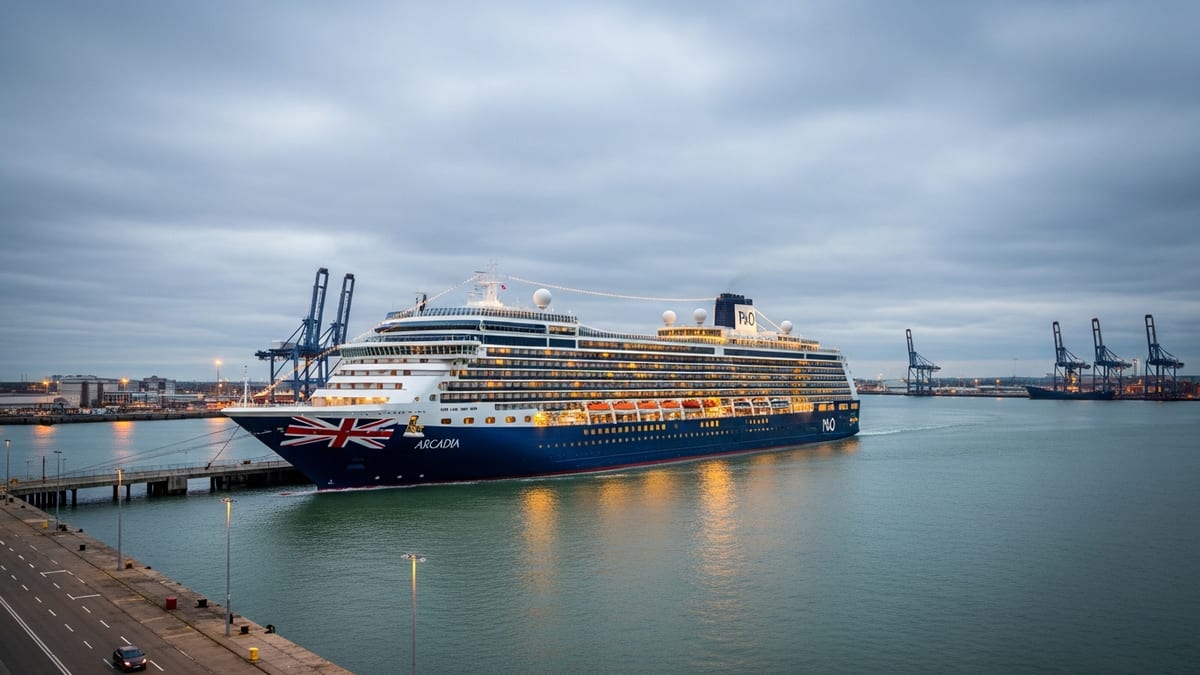
An Empty Departure From Sihanoukville
Recent coverage indicates that the Odyssey left Sihanoukville in early November with crew on board but no passengers, days after its US-based operator, Villa Vie Residences, suspended the ship’s multi-year voyage and disembarked residents in the Cambodian coastal city. Reports describe a 650-passenger-capacity vessel now sailing effectively as an empty shell, a stark contrast to its original marketing as a floating neighborhood at sea.
Images and video shared publicly by former residents show passengers wheeling luggage down the gangway and boarding buses in Sihanoukville in late October, followed by port-side footage of the vessel later leaving its berth with no guests visible on deck. Local and international news outlets describe the ship as heading into lay-up status, with no clear timeline for future commercial service.
Information made public so far does not specify the Odyssey’s exact next port of call or long-term plans for the vessel. Reports point to continuing legal and financial questions around unpaid fuel and service bills, suggesting that any relaunch as a residential or conventional cruise ship would likely require substantial restructuring.
From “Forever Cruise” Dream To Abrupt Suspension
The Odyssey set off around two years ago on what was promoted as a three-year global journey touching all seven continents. Marketing materials described the concept as a way to “make the Odyssey your permanent home,” appealing to travelers seeking long-term or even open-ended life at sea, with some residents reportedly planning to stay on board for up to 15 years.
According to published coverage by major international outlets, the business model came under severe strain in 2026 as fuel prices rose sharply following conflict in the Middle East, particularly disruptions to oil flows linked to the war involving Iran. The operator publicly cited “extraordinary” fuel cost increases of more than 300 percent and described attempts to adjust itineraries, slow steaming speeds and spend more time in port.
Reports indicate that by mid-2026, Villa Vie Residences was already seeking additional funds from residents, including requests for extra contributions specifically to cover fuel and operating costs. Internal documents referenced in recent investigative pieces suggest multiple last-minute efforts over several months to secure fresh investment and keep the world voyage on track.
Those efforts ultimately failed. In late October, while the ship was docked in Sihanoukville, the company announced that operations were being suspended and the residential cruise program would effectively end there, instructing passengers to gather their belongings and disembark in Cambodia.
Passengers Stranded And Scrambling For Options
Coverage from international and regional news organizations describes a chaotic disembarkation in Sihanoukville, with around 200 passengers, many of them Americans and Europeans, suddenly left to arrange their own accommodation and onward travel. Several reports note that residents were given only a few hours’ formal notice that the cruise was ending and that they would be leaving the ship permanently.
Former passengers have used social media, blogs and interviews with outlets such as the Associated Press, ABC News and Channel News Asia to document their experience. Many say they received little practical assistance once ashore, reporting that they were transported into town and dropped off without organized hotel lists or coordinated transfers, despite having spent substantial sums to secure long-term cabins on the Odyssey.
Some travelers have described booking same-day or next-day flights from Cambodia to regional hubs such as Bangkok, Singapore and Seoul, then on to home countries at their own expense. Others reportedly chose to remain temporarily in Sihanoukville or in nearby resort areas while considering legal and financial options. Publicly available accounts suggest that residents had purchased multi-year packages, in some cases by selling homes or using significant retirement savings.
At the time of writing, open sources do not list any comprehensive compensation plan beyond statements from the operator that it would work with residents on “temporary living arrangements” and explore future options. Several passengers have indicated they are reviewing contracts and considering legal claims in their home jurisdictions.
Financial Troubles And Questions Over Protections
Reports tracing the Odyssey’s final months highlight a pattern of mounting debts and operational compromises. Coverage by international media cites unpaid fuel and provisioning bills in various ports, including accounts of crew members needing to buy food ashore in Vietnam when a regular vendor reportedly cut off supplies. Maritime industry commentary shared online characterizes the ship as struggling to meet financial obligations well before it reached Cambodia.
The case has raised questions about regulatory safeguards for residents of long-term or residential cruises, which can blur the line between traditional cruise passengers and quasi-homeowners at sea. While conventional cruise operators embarking from United States ports must demonstrate financial responsibility to federal regulators, residential ventures structured through complex ownership or membership models may not always offer equivalent protections for long-horizon commitments.
Analysts quoted in recent coverage note that “live aboard” cruise products often involve individually negotiated contracts, resale clauses and maintenance fees that are very different from standard cruise tickets. In the Odyssey situation, prospective residents were buying into a lifestyle as much as an itinerary, which may complicate any efforts to seek reimbursement through traditional travel insurance or consumer protection mechanisms.
With the ship now gone from Cambodia and many former residents dispersed to their home countries, observers expect a prolonged process of claims, negotiations and potential litigation. Public documents have not yet clarified whether creditors, investors or residents will have priority as any remaining value in the vessel or the operating company is sorted out.
Impact On The Residential Cruise Concept
The empty departure of the Odyssey from Sihanoukville is being closely watched across the cruise and alternative-living sectors, where several companies have promoted extended or permanent-at-sea offerings in recent years. Trade press and travel industry commentary suggest that the high-profile collapse could make investors and consumers more cautious about similar “cruise for life” promises.
Some analysts point out that the Odyssey’s troubles unfolded at the intersection of volatile fuel markets, geopolitical conflict and an ambitious start-up business model centered on relatively affordable long-term living at sea. Rising operating costs, they argue, may pressure residential cruise projects either to scale back itineraries or to move upmarket, targeting wealthier buyers who can absorb surcharges and contingencies.
At the same time, public statements from some Odyssey residents indicate that interest in the broader idea of long-term life at sea has not disappeared. Several have expressed in published accounts that, despite the sudden end of the voyage, they valued the community formed on board and might consider another residential cruise if financial safeguards and contingency planning were more robust.
For now, the Odyssey’s vacant sail-away from Cambodia stands as a cautionary image for would-be seagoing residents: a ship designed as a floating neighborhood, continuing its journey without the very people who once intended to call it home.