

More news on this day
Swiss International Air Lines is trimming part of its summer 2026 schedule, a move that is set to ripple across key leisure corridors linking Zurich and Geneva with Mediterranean hotspots such as Alicante and Crete, raising concerns for European holidaymakers and tourism operators ahead of the peak season.
Get the latest news straight to your inbox!
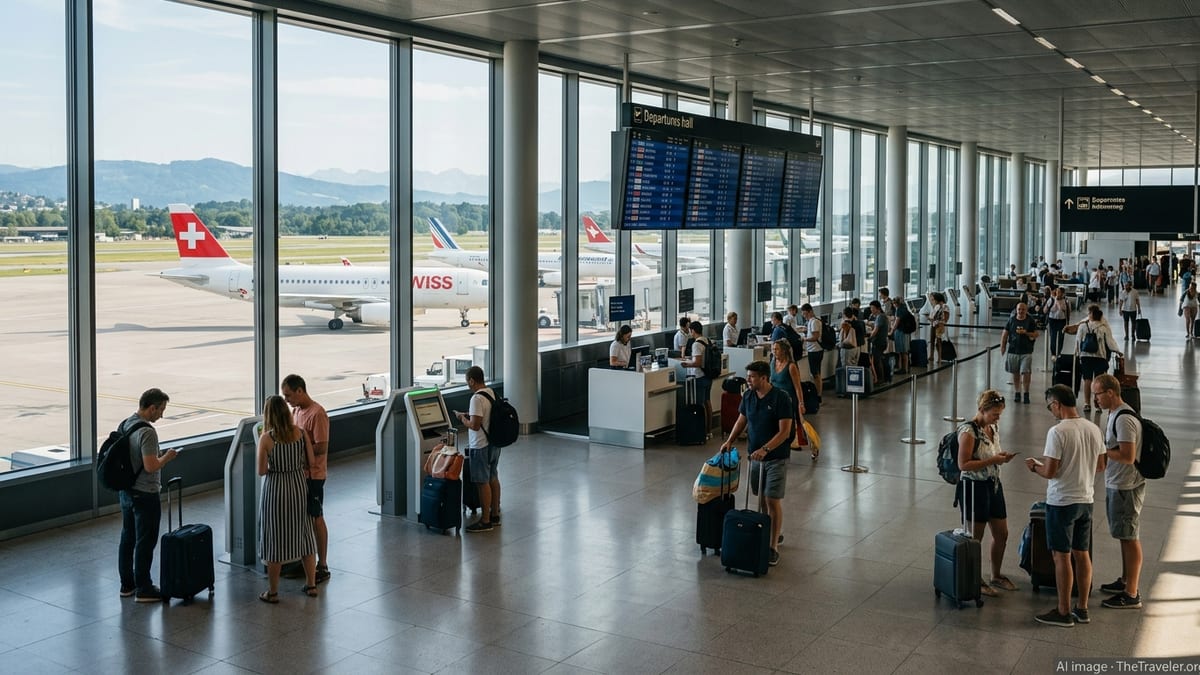
What Is Changing in the Swiss Summer Schedule
Publicly available performance data and schedule analyses indicate that Swiss International Air Lines has been cutting a portion of its flights between April and October, affecting around 1.5 percent of its planned summer services. While this looks modest on paper, the reductions are concentrated on busy leisure routes from Zurich to southern Europe, where even a small number of cancelled rotations can squeeze capacity on popular departure days.
Reports focused on Swiss operations highlight that the airline has already been under pressure from crew rostering constraints and a limited pool of trained pilots. These operational limits have pushed Swiss to preemptively adjust its timetable rather than risk last minute disruption, particularly on high‑demand routes out of Zurich and Geneva that rely on tight aircraft and crew utilisation during the summer peak.
Route breakdowns shared by flight‑rights platforms and timetable trackers show that some southern Europe services from Zurich, including those to Spanish and Greek holiday destinations, are among those subject to cuts or frequency adjustments. Alicante on Spain’s Costa Blanca and Heraklion and Chania in Crete are widely cited among the leisure markets where travellers may see fewer options or more timetable reshuffles as summer approaches.
Industry commentary suggests that the current round of changes builds on a pattern that has developed since the pandemic, with carriers across Europe repeatedly fine‑tuning schedules in response to staffing, air‑traffic‑control bottlenecks and fluctuating demand. For Swiss, Zurich remains the core hub absorbing most of the adjustments, but Geneva’s point‑to‑point leisure network is also exposed, especially on weekend departures.
Impact on Zurich and Geneva as Gateways
Zurich and Geneva function as the primary gateways for inbound visitors to Switzerland and for residents heading south to the Mediterranean. Any reduction in Swiss’s own capacity can quickly collide with congestion already affecting the broader network of airlines using these airports, from low‑cost carriers to full‑service competitors.
Recent disruption reports from air travel monitoring services describe repeated episodes of cancellations and heavy delays at both Zurich and Geneva this winter, with days when double‑digit numbers of flights were removed from the boards. While these events involved several airlines, Swiss plays an outsized role at both airports, meaning tactical cancellations by the flag carrier often have knock‑on effects on slot availability and aircraft positioning.
For passengers bound for Alicante or Crete, the most visible consequence is likely to be fewer direct options from Switzerland on certain days and heavier reliance on connecting itineraries via other European hubs. With peak summer flights already booking up earlier each year, even small capacity reductions can translate into higher fares, limited flexibility on departure times and a greater risk of missed connections when disruptions occur.
Inbound tourism to Zurich and Geneva may also feel indirect pressure. Travellers who planned multi‑stop trips combining Swiss city stays with Mediterranean beach holidays may find their preferred connections disrupted, prompting some to shorten or alter the Swiss leg of their journey. Tourism operators in both cities are watching how quickly alternative capacity from partner and competitor airlines fills any gaps left by Swiss adjustments.
What It Means for Alicante and Crete Tourism
Alicante and Crete are deeply dependent on seasonal airlift from northern Europe, and Switzerland has been a reliable source market for years. Tour operators selling package holidays that bundle Swiss flights with accommodation along the Costa Blanca and on Cretan coasts are particularly sensitive to any change in the number or timing of rotations from Zurich and Geneva.
Early assessments from travel trade media suggest that Swiss’s summer cuts, though limited as a share of its total network, hit precisely the type of high‑yield leisure flights that support hotel occupancy targets in July and August. Fewer direct seats from Switzerland can challenge resorts that rely on predictable weekend arrivals to turn over rooms, manage staffing and coordinate transfers.
Market analysts point out that the impact will vary by destination and by carrier mix. Alicante benefits from a dense web of services operated by low‑cost airlines from across Europe, which may cushion the shock of changes by a single carrier. Crete, served by a combination of network airlines and charter and leisure operators, may see more visible timetable reshuffles as partners adjust capacity and add or retime flights from other hubs to compensate.
For local tourism boards and hospitality businesses in Spain and Greece, the key concern is volatility rather than absolute capacity. After several years of strong demand from Switzerland, frequent schedule revisions can complicate staffing, pricing and marketing decisions, particularly for smaller properties that depend on fixed allotments of seats contracted with tour operators months in advance.
How Travellers Can Navigate the Summer Disruptions
Consumer advocates and passenger‑rights platforms are already advising travellers using Swiss this summer to build additional resilience into their plans. Recommendations include favouring morning departures on busy leisure days, leaving longer connection times at Zurich and Geneva, and monitoring bookings closely in the weeks leading up to departure as airlines continue to fine‑tune their schedules.
European and Swiss air passenger regulations provide a framework for assistance when cancellations occur, including rebooking, refunds and, in some cases, financial compensation. Public guidance from travel law specialists stresses that entitlements differ depending on the reason for a cancellation, whether the change was notified well in advance and whether alternative transport is offered. Travellers are encouraged to retain all documentation related to schedule changes, including emails and app notifications.
Independent tracking services note that some of Swiss’s recent cancellations on leisure routes have been announced earlier than the statutory minimum notice period, which can reduce compensation obligations but gives travellers more time to adjust plans. Those with fixed arrival dates for cruises, weddings or tour departures may wish to secure more flexible fares or separate positioning flights that create a buffer around key events.
Travel insurance providers are also updating their advisories, with some policies placing tighter conditions around claims linked to airline operational issues. Policy summaries available online underscore the importance of reading exclusions for schedule changes, minimum delay thresholds and obligations to accept rebooking offers from the airline before making independent arrangements.
What to Watch in the Coming Weeks
As airlines across Europe finalise their peak‑season timetables, aviation analysts expect more incremental adjustments from Swiss and its competitors. Aircraft maintenance cycles, crew availability and ongoing air‑traffic‑control constraints are all likely to shape how many rotations ultimately operate between Switzerland and Mediterranean holiday regions such as Spain and Greece.
Travel trade coverage indicates that some leisure carriers allied with Swiss within the wider Lufthansa Group, along with independent low‑cost airlines, may respond by boosting capacity on selected routes from nearby markets. Additional flights from Germany, Austria or northern Italy could indirectly support Alicante and Crete tourism by offering alternative itineraries to Swiss travellers prepared to start their journey outside Switzerland.
For now, tourism stakeholders in Zurich, Geneva, Alicante and Crete are tracking booking patterns and load factors closely. If demand remains strong into late spring, further schedule tweaks are possible, whether in the form of restored frequencies, larger aircraft substitutions or deeper cuts on underperforming rotations.
Travellers planning summer 2026 holidays along these corridors are being urged by consumer information platforms to secure flights early, keep an eye on any schedule changes notified by Swiss and other carriers, and maintain flexible accommodation and ground transport arrangements where possible, as Europe’s aviation system heads into another busy and potentially fragile peak season.