

More news on this day
Royal Caribbean’s latest redeployment of Symphony of the Seas is sending ripples through the Caribbean and European cruise markets, as revised itineraries for 2026 and 2027 force thousands of travelers to rethink long-planned voyages and reshape expectations for some of the world’s busiest cruise hubs.
Get the latest news straight to your inbox!
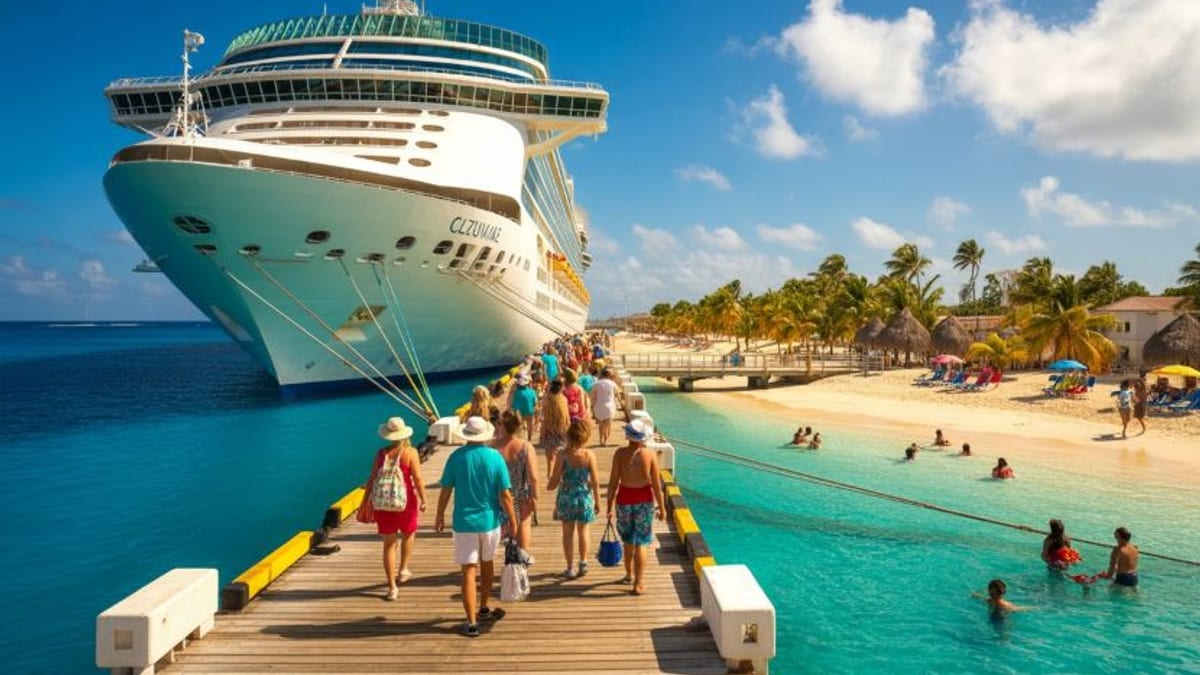
From Galveston to Florida as 2027 Plans Are Redrawn
Recent deployment updates show Symphony of the Seas shifting away from Galveston in 2027 and instead homeporting in Port Everglades at Fort Lauderdale, a move that reverses earlier plans that had firmly tied the giant Oasis-class ship to the Texas Gulf Coast for the 2026 to 2027 Caribbean season. Travel industry coverage indicates that previously published schedules out of Galveston are now being reworked, with Florida becoming the focal point for the ship’s Western and short Caribbean runs.
Publicly available itineraries suggest that the change will re-concentrate a significant share of Oasis-class capacity in South Florida, already the most competitive cruise region in the world. Fort Lauderdale’s role as a key gateway to destinations such as Cozumel, Roatan and Royal Caribbean’s private island in the Bahamas positions Symphony of the Seas to capture strong drive-in and fly-in demand from the broader U.S. East Coast.
For Galveston, the redeployment marks a symbolic loss. The port has spent the past several years celebrating the arrival of ever-larger hardware and had been promoted as a marquee home for Symphony of the Seas. New deployment details show that Icon of the Seas and Liberty of the Seas will carry Royal Caribbean’s flag in Texas instead, softening the blow but still reducing the diversity of mega-ship offerings sailing from the Lone Star State.
Travel agents and consumer forums are already documenting booking adjustments as guests on affected 2027 sailings shift either to Florida departures or to alternative Royal Caribbean ships that remain scheduled from Galveston.
Caribbean Itineraries Tighten as Capacity Shifts
Symphony of the Seas has been a mainstay on seven-night Eastern and Western Caribbean routes, and its redeployment is tightening competition on key itineraries. Updated deployment posters and trade materials highlight a pattern in which major Royal Caribbean ships are clustered at a handful of high-volume homeports such as Miami, Port Everglades, Port Canaveral and Galveston, creating a more concentrated network of sailings to popular ports including Cozumel, Costa Maya, St. Maarten and the line’s private destinations.
Published coverage points to growing sensitivity around port calls in certain destinations, particularly Haiti, where Royal Caribbean’s private resort at Labadee has been removed from multiple itineraries through late 2026 because of security concerns. Community reports show Labadee calls replaced by additional sea days or alternate ports, amplifying the sense of volatility already felt by passengers on ships like Symphony of the Seas who have seen their Caribbean schedules reshaped.
Industry observers note that the redeployment of Symphony of the Seas to Florida for 2027 adds capacity in an already crowded market while opening space elsewhere in Royal Caribbean’s global fleet plan. The line is rolling out new Icon-class vessels, which absorb the highest-yield itineraries, and older ships are being reassigned to maintain coverage in secondary Caribbean ports and emerging homeports such as San Juan and select Mexican and Central American gateways.
For travelers, the practical effect is a more dynamic booking environment. Early reservations once considered stable two or three years in advance are now more vulnerable to port swaps, date changes and ship moves as cruise lines fine-tune schedules based on demand, geopolitical events and port infrastructure constraints.
European Seasons Rebalanced as New Ships Enter Service
While the latest headlines focus on Symphony of the Seas in the Caribbean, the ship’s redeployment connects directly to wider changes in Royal Caribbean’s European plans. Company deployment posters for 2026 show a strong emphasis on the Mediterranean and Adriatic using a mix of Oasis-class and smaller vessels, including weeklong itineraries visiting marquee ports such as Ravenna, Dubrovnik, Kotor and Rome.
Specialist cruise outlets report that the introduction of additional large vessels, such as the Icon-class Legend of the Seas, frees the company to shuffle Oasis-class tonnage between the Caribbean and Europe. Symphony of the Seas has traditionally alternated between European summers and Caribbean winters, but the growing fleet allows the brand to assign particular ships to regions where they best match port capacity and market demand.
This rebalancing is being felt across the Mediterranean, where some homeports are gaining capacity while others see isolated losses or changes in deployment. Recent examples include adjustments to individual sailings on Brilliance of the Seas and other ships, suggesting that Europe too is in the midst of a rolling schedule reset that may continue as new ships are delivered in 2026 and 2027.
Travel planners note that prospective guests considering European sailings on Oasis- and Icon-class ships need to pay close attention to updated schedules and port information, as routes advertised just months ago may no longer be accurate.
Travelers Scramble as Long-Planned Vacations Shift
Symphony of the Seas operates at a scale that magnifies every change. With capacity for around 7,000 passengers at double occupancy and thousands of crew members on board, a single redeployed season affects a large volume of bookings, air arrangements and hotel stays. Online forums and social media groups show guests comparing rebooking options, compensation policies and alternative ships as they react to the Galveston to Fort Lauderdale shift.
Published reports indicate that some travelers are deciding to keep their original travel dates but switch to different ships sailing from Texas, while others are pivoting entirely to Florida in order to remain on Symphony of the Seas. The choice often hinges on flight availability and cost, as well as loyalty to specific onboard features such as the ship’s neighborhood layout, signature water slides and entertainment offerings.
Consumer advocates point out that the situation highlights the importance of flexible planning and careful reading of cruise line terms, which typically reserve broad rights to alter ships, routes and ports. For guests, the Symphony redeployment serves as a reminder that even high-profile, heavily promoted itineraries can change several years before departure, particularly in a period of rapid fleet expansion and global uncertainty.
Despite short-term frustrations, bookings for Caribbean and European cruises on Royal Caribbean ships continue to show resilience, and early indications from travel retailers suggest that most displaced Symphony of the Seas passengers are remaining within the brand, shifting to new itineraries as the 2026 and 2027 deployment picture comes into sharper focus.