

More news on this day
Taiwan’s rail operators are accelerating a major ticketing upgrade, rolling out credit card and mobile payment options that promise easier bookings, faster adjustments and more seamless journeys across the island.
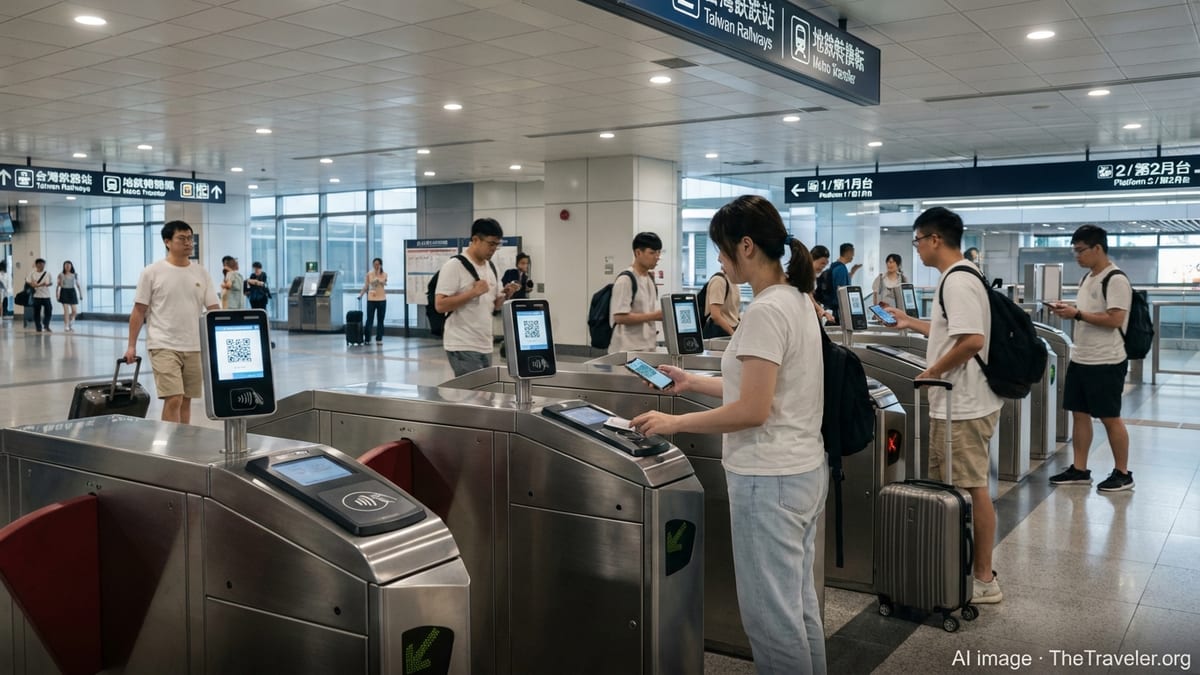
A Cashless Turn for Everyday Train Travel
The shift toward digital ticketing has been gathering speed across Taiwan’s rail system, from conventional trains to high speed and metro services. The push is designed to replace paper tickets and cash transactions with bank cards and smartphone apps, reducing queues at counters and giving passengers more control over their trips.
Taiwan Railways Administration has gradually expanded support for online and mobile payments in recent years, allowing passengers to buy intercity tickets in its official app using major credit cards and mobile wallets such as Apple Pay. That foundation is now being strengthened with broader cashless options at stations, including co-branded contactless credit cards and stored value solutions that can be tapped at fare gates instead of inserted tickets.
Across the network, electronic ticket products such as EasyCard, iPASS and icash co-branded credit cards already allow riders to tap in and out of many rail services. For passengers, the trend means less time topping up with cash at machines and more flexibility to complete their journey or adjust plans on the move, without queueing for staff assistance.
Metro Systems Lead the Way on Contactless Gates
Metro networks in northern and central Taiwan are providing a glimpse of how the island’s wider rail system is evolving. In Taipei, the metro has completed a multi-year project to upgrade more than a thousand ticket gates so they can accept QR codes and contactless credit card payments, in addition to existing stored value cards. Since January, passengers have been able to scan transportation QR codes from popular mobile payment apps to enter and exit stations.
The capital’s metro operator is now preparing to activate direct credit card and mobile wallet payment at the gates. A phased trial with a local bank allows select contactless credit cards to be tapped for travel, with broader support for international card brands and mobile wallets such as Apple Pay and Google Pay scheduled to follow. Once fully rolled out, commuters will be able to ride without a separate transit card, treating their bank card or phone as both ticket and wallet.
Elsewhere, Taichung’s metro has already introduced multi-payment gates that support contactless credit cards and domestic mobile payment platforms, while the Taoyuan Airport MRT operates its own QR-based mobile ticketing app. Together, these upgrades create a consistent digital experience for travelers moving between regional rail, metro systems and airport links.
High Speed Rail Sets the Standard for Mobile Ticket Adjustments
Taiwan High Speed Rail, which runs the island’s north–south bullet train corridor, has long positioned its mobile app as a model for digital ticketing. Through the T Express service, passengers can search schedules, purchase tickets with credit cards, store boarding passes on their phones and present QR codes directly at station gates.
The system is particularly notable for its flexibility around itinerary changes. Before tickets are collected or activated for boarding, travelers can modify departure times and seating through the app, often paying only a small service charge or no additional fee. The ability to adjust bookings in real time is especially valuable during peak travel periods, when passengers may need to shift to earlier or later trains as plans change.
At stations, upgraded gates recognize mobile QR tickets alongside magnetic tickets and contactless co-branded credit cards. This integration allows high speed rail passengers to choose the payment and ticket format that best suits their needs on a given trip, without sacrificing the option to change or refund tickets through digital channels.
From Ticket Windows to Smartphones Across the Island
The spread of credit card and mobile payments is gradually redefining how travelers interact with Taiwan’s rail system. Instead of purchasing a paper ticket at a station counter, many riders now complete the entire journey cycle on their phone: searching routes, paying by credit card or mobile wallet, collecting a QR code ticket and adjusting or cancelling if plans shift.
Co-branded contactless credit cards linked to transit products such as EasyCard and iPASS further blur the boundaries between traditional rail tickets and everyday banking. Riders can tap their card at Taiwan Railways and high speed rail gates, with fares deducted automatically and balances topped up as needed through linked accounts, reducing dependence on cash top-ups at vending machines.
For Taiwan’s growing number of international visitors, the move toward familiar payment methods is expected to ease navigation of the network. As more metro and rail operators enable contactless bank card and globally recognized mobile wallet payments at gates, travelers arriving with foreign-issued cards and smartphones will find it easier to board trains without first mastering local ticketing systems.
Building a More Integrated Travel Experience
Transport officials and operators see these payment upgrades as a foundation for a more integrated travel experience across modes and regions. With metro, conventional rail, high speed rail and buses increasingly accepting the same mix of transit cards, QR codes and credit cards, there is potential for more coherent discount schemes and monthly passes that span multiple systems.
Digital payments are also expected to generate richer, anonymized data on passenger flows, helping operators fine-tune timetables and manage crowded routes. At the same time, authorities continue to emphasize the need to preserve accessibility for passengers who still rely on cash, physical tickets or in-person assistance, maintaining staffed ticket windows and traditional vending machines alongside new technology.
As hardware upgrades spread and software platforms mature, Taiwan’s railway network is moving closer to a future where a tap of a bank card or a scan of a phone is all that is required to ride from city center metros to coastal branch lines, with ticket changes handled in a few steps on a screen. For passengers, that evolution promises fewer queues, more flexibility and a smoother journey across the island’s rail-connected landscapes.